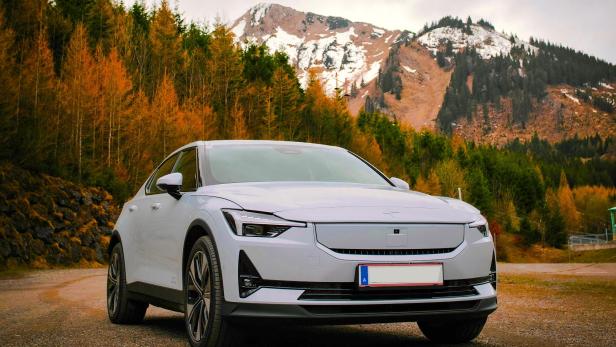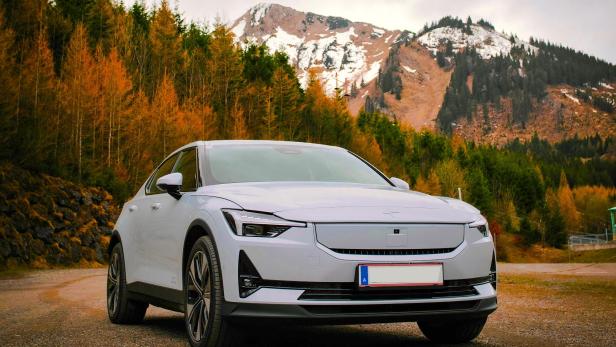
You see it every Saturday morning in Vienna’s 19th district: a pristine Tesla Model 3, glistening with dew, having moved exactly zero kilometers since last weekend’s grocery run. Its owner feels smug, after all, they’ve invested in the future, harnessed solar power from their Dach (roof), and sidestepped the Ölindustrie. But here’s the uncomfortable truth that Austrian commuters need to confront: for anyone driving fewer than 10,000 kilometers annually, owning any car is a financial head-scratcher. Owning a premium electric one? That’s not an investment. It’s an expensive hobby you park on the street.
The Fixed Cost Trap That Kills Your “Investment”
Let’s dissect the real numbers from a recent Austrian finance discussion, where a Graz resident calculated their actual monthly burden for a Tesla Model 3 RWD. Their scenario mirrors thousands of urban professionals: living in the city, cycling to work, using the car exclusively for weekend escapes to the Alps.
Option 1: Private Leasing (Tesla’s 0% Aktion)
- Leasingrate: €600/month
- Versicherung, Steuer, Service, Reifenwechsel: €200/month
- Total: €800/month
Option 2: Buying a 2024 Used Model
- Purchase price: €36,000
- Monthly fixed costs: €220 (including Pickerl from 2027)
- Depreciation: €290/month
- Total: €510/month
Option 3: Instadrive Subscription
- All-inclusive rate: €770/month
At under 10,000 km annually, you’re paying between €0.61 and €0.96 per kilometer before you’ve even paid for Strom. Compare this to a sobering alternative: a 20-year-old Mazda MX-5 NC, purchased for €14,000, costing roughly €160/month in total ownership. That’s €0.19 per kilometer. The math isn’t just uncomfortable, it’s brutal.
The Solar Power Mirage
“But I charge with my PV-Anlage!” you protest. Fair point, but let’s run those numbers.
A Tesla Model 3 consumes roughly 15 kWh per 100 km. At your household rate of €0.30/kWh (after the new electricity tax reduction saves you a whopping €0.014 per kWh), your 10,000 km annual drive costs €450 in electricity. Add €120 for the Vignette, €50 for the obligatory Waschstraße visits, and maybe €30 for parking in your Bezirk. That’s €650 in variable costs.
Your fixed costs, however, stubbornly remain: €800/month for leasing means €9,600 annually. Even if you buy used at €510/month, you’re at €6,120 per year. The €450 you “saved” on fuel compared to a Diesel is a rounding error, 4.7% of your total cost. Your solar panels aren’t saving you money, they’re subsidizing a very expensive driveway ornament.
The THG-Quote: Your Only Real Friend (But It’s Not Enough)
Here’s where Austrian policy actually helps. The THG-Quote (Treibhausgasminderungsquote) lets you sell your EV’s CO₂ savings back to Mineralölkonzerne. In 2026, providers like Elektrovorteil offer up to €320 annually, real cash that arrives in your bank account.
But let’s be honest: €320 against a €9,600 annual leasing cost is a 3.3% discount. Nice to have, but it doesn’t transform a liability into an asset. Even when combined with the state’s E-Auto Förderung of up to €6,000 (which you only get when buying, not leasing), the subsidy package merely reduces the pain, it doesn’t eliminate the fundamental problem.
The Premium EV Penalty
The original poster wanted something “premium” and “verlässlich.” This is where Austrian car culture reveals its cognitive dissonance. A Dacia Spring, after subsidies, costs €5,900. A Citroën ë-C3 costs €7,990. Both will transport you to the Semmering for skiing just as effectively as a €50,000 Tesla.
The premium purchase only makes financial sense if you’re driving enough to amortize the higher fixed costs across more kilometers. At 30,000 km/year, the Tesla’s superior efficiency and lower maintenance start offsetting its price premium. At 10,000 km/year? You’re paying for technology you never use.
The Real Austrian Solution: Car-Sharing or a €3,300 Beater
One commenter in the discussion shared their seven-year ownership of a Ford Focus Kombi, purchased for €3,300. Total monthly cost, including all repairs and the Vignette? €160. That’s less than what you’d pay for comprehensive insurance on a new Tesla.
Another suggested buying a three-year-old Golf from Willhaben for €19,000 and selling it before it hits 100,000 km. The monthly depreciation drops to under €100. For urban Austrians with access to reliable public transport, the radical move is ditching car ownership entirely and using Car-sharing services like ShareNow or Zipcar for those occasional Ausflüge.
The Leasing Culture Trap
Austria’s obsession with Leasing deserves its own reckoning. The leasing paradox is real: you pay premium prices for the privilege of owning nothing, trapped in multi-year contracts because the Anschaffungspreis of a new car feels psychologically insurmountable. But for low-mileage drivers, leasing is the worst of all worlds, you bear all the fixed costs of ownership with zero equity and maximum contractual rigidity.
The subscription model (Instadrive) at €770/month seems absurdly expensive until you realize it bundles insurance, maintenance, and eliminates all risk. For someone who truly wants a premium EV for occasional use, this is actually the least bad financial option, because you can cancel it when you finally admit you barely use the car.
The Verdict: Do the Un-Austrian Thing
Here’s the spicy take that breaks from conventional wisdom: If you drive less than 10,000 km annually in an Austrian city, the most rational car is either a €5,900 Dacia Spring or no car at all.
If you must have a premium badge, buy a five-year-old used Tesla for cash, keep it for three years max, and sell before the warranty expires. Your monthly cost will hover around €400-450, still outrageous for your usage, but less than leasing.
Better yet, invest that €800/month in a diversified ETF, keep your €3,300 Ford Focus for the ski trips, and accept that your Meldezettel address in Vienna means you don’t actually need a status symbol in your garage. The real flex in 2026 isn’t a solar-powered Tesla, it’s having the financial literacy to recognize when mobility becomes an expensive illusion.
The Numbers Don’t Lie
Let’s be blunt: that THG-Quote payment, the PV-Anlage charging, the steuerfrei status until 2030, these are all nice perks. But they’re window dressing on a fundamentally flawed equation. For urban Austrians with low mileage, car ownership is a lifestyle choice, not a financial strategy. And premium EV ownership? That’s just a very expensive way to tell your neighbors you haven’t done the math.
The next time you see that dew-covered Tesla on a quiet Vienna street, remember: its owner isn’t driving the future. They’re financing a very expensive sculpture that depreciates while it sleeps.