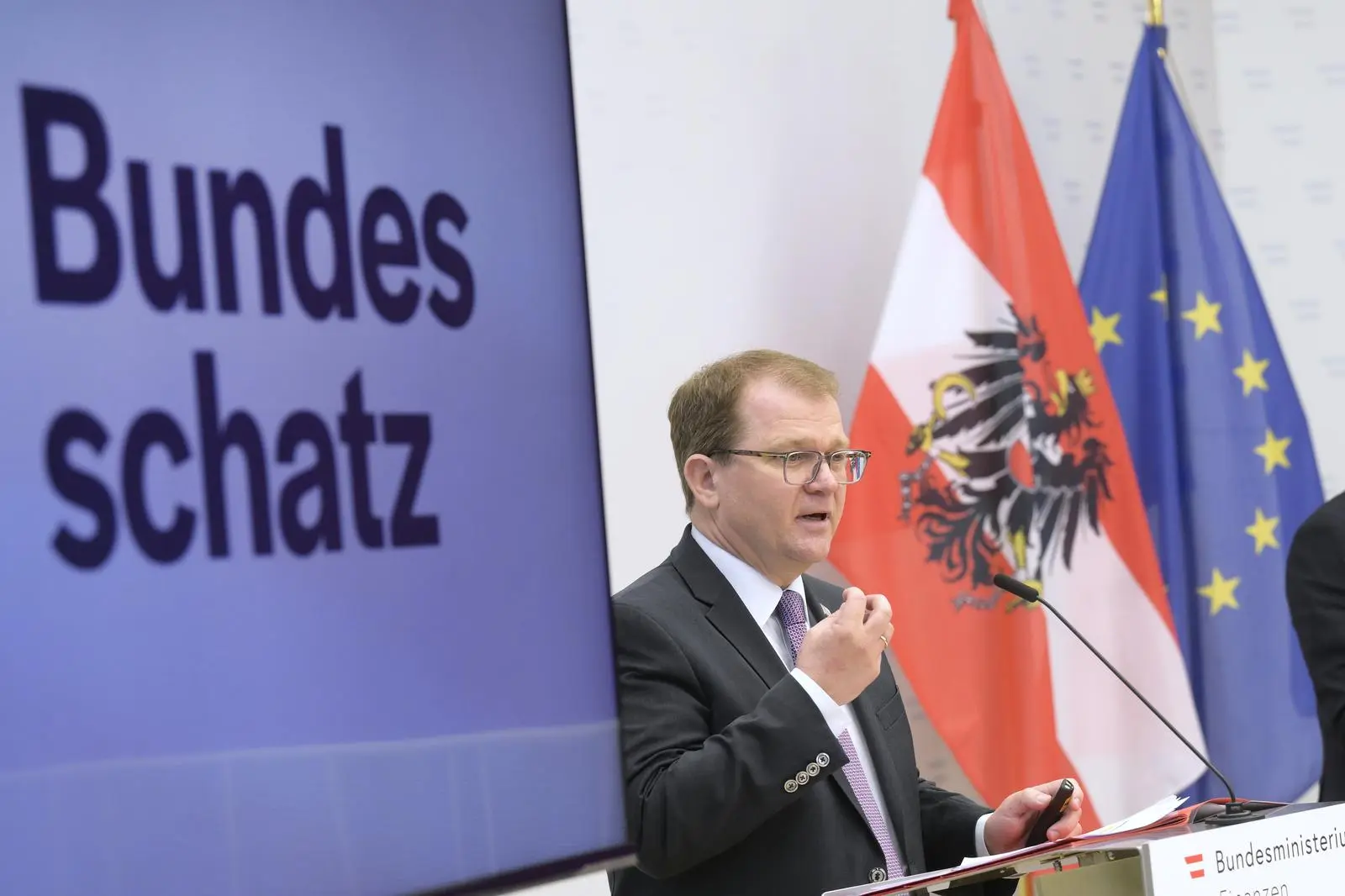
A parent in Vienna wants to park €10,000 for their six-year-old until university. Their first instinct? The Bundeschatz. Their only instinct, actually, ETFs are ruled out, risk is the enemy, and Austrian government bonds feel like the financial equivalent of a warm Kaiserschmarrn on a cold day. The forum thread confirming this “only option” mindset got 27 upvotes and a chorus of nodding heads. But here’s the uncomfortable truth: that perceived safety is quietly bleeding your child’s returns dry.
The Bundeschatz 120-month bond currently offers 2.75% annually. Sounds decent in a low-rate world, right? Except you’re paying 27.5% KESt (Kapitalertragssteuer) instead of the standard 25%, there’s zero Einlagensicherung, and you’ve locked yourself into a rate that looks increasingly mediocre against alternatives you’ve probably never heard of.
The “Risk-Free” Trap That Isn’t
The core assumption goes: government bond = zero risk. But risk comes in many flavors. Inflation risk. Opportunity cost risk. The risk of being a bad financial parent because you chose the lazy option.
Take the Erste Bank Sparefroh account mentioned in that same forum thread. It pays 4% on up to €4,000. That’s not a typo, four percent. For a six-year-old with €10,000, you could park €4,000 in Sparefroh, collect 4% for three years, then rotate the remaining €6,000 through other vehicles. The parent in the thread already discovered this but dismissed it as a side dish rather than the main course. It’s not. It’s a strategic weapon Austrian banks quietly offer because they know most customers won’t bother with the paperwork.
The catch? Sparefroh is a Kinderkonto product with balance limits and rate guarantees that expire. But here’s the key: it’s guaranteed by Austria’s Einlagensicherung up to €100,000. The Bundeschatz? Backed by the Republic of Austria, yes, but not covered by the deposit insurance scheme. If you’re worried about sovereign risk (however remote), that matters.
The Tax Bomb Nobody Mentions
Let’s run the actual numbers for that €10,000 over ten years.
Bundesschatz (120 months, 2.75%):
– Gross return: €3,117
– KESt at 27.5%: €857
– Net gain: €2,260
Bank Direkt Festgeld (60 months, 2.50%, then reinvest):
– Gross return: €2,835
– KESt at 25%: €709
– Net gain: €2,126
At first glance, the Bundeschatz wins. But that 2.75% rate is fixed for ten years. The Bank Direkt rate is only for five, but it comes with Einlagensicherung and flexibility. More importantly, you can ladder it.
The Ladder Strategy That Beats Bundeschatz
Here’s what Austrian financial advisors rarely suggest because it requires actual work: Festgeldleiter (fixed-term deposit laddering).
Split that €10,000 into five €2,000 chunks. Lock them in for 2, 4, 6, 8, and 10 years. When the two-year matures, roll it into a new ten-year bond. Repeat. You’re never more than two years from accessing some cash, you capture rising rates, and you maintain the average maturity.
Current rates from Sparzinsen.at show Raiffeisenbank Wels offering 2.25% for 60 months with full Austrian Einlagensicherung. BAWAG offers 2.15% for 84 months. The blended rate across a ladder easily matches the Bundeschatz’s 2.75% while giving you liquidity and insurance protection.
The parent who posted on forum concluded, “Es gibt nicht wirkliche eine Alternative mit entsprechend ‘hohen’ Zinsen.” That’s only true if you define “alternative” as “identical product with a different logo.” Real alternatives require thinking beyond single-product comparisons.
The International Option Austrian Banks Hope You Ignore
Sparzinsen.at’s data reveals Consorsbank offering 3.10% on Tagesgeld for three months, and Advanzia Bank at 3.05%. Yes, these are Neukundenaktionen that drop after 90 days. But here’s the hack: they’re not steuereinfach. You receive gross interest and must handle KESt yourself via Finanzonline.
For a ten-year child investment, that’s €100-150 extra per year. Over a decade, that’s a semester’s worth of university books. The “Aufwand” is one extra line in your Einkommensteuererklärung. Austrian banks count on your tax laziness to keep you in lower-yielding domestic products.
The research shows Bigbank (Estland) offering 2.80% on Festgeld for 36+ months with full EU Einlagensicherung. That’s 0.05 percentage points higher than the best Austrian steuereinfach offer, and it comes with the same €100,000 guarantee. The only friction is opening an account online and handling the KESt yourself.
The Cultural Problem Behind the Math
This isn’t just about interest rates. It’s about Österreichische Vorsorgeparanoia, the national obsession with avoiding risk at any cost, even when the cost is measurable in thousands of euros.
Parents will spend hours comparing Kindersitzen and checking Stiftung Warentest ratings for €30 toys, but they’ll lock €10,000 into a ten-year bond after fifteen minutes of research because “the state is safe.” The same data they use to obsess over safety features is available for financial products, but they don’t look.
Stiftung Warentest’s Festgeld comparisons (which require a €4.90 unlock fee, another Austrian reluctance to pay for financial information) show Wüstenrot Bausparkasse offering ten-year terms with Zinsansammlung and full flexibility. But most parents won’t pay the fee, so they remain uninformed.
What Actually Works for a 6-Year-Old’s €10,000
Based on the numbers from January 2026, here’s the non-obvious playbook:
- €4,000 in Erste Bank Sparefroh at 4% for as long as the rate holds (check annually)
- €3,000 in Bank Direkt Festgeld at 2.50% for 60 months, then reassess
- €3,000 in Bigbank Festgeld at 2.80% for 60 months, handle KESt manually
This blend gives you:
– Average rate: ~3.1% gross (beats Bundeschatz)
– Full Einlagensicherung on 60% of the capital
– Flexibility to adjust in 5 years when your kid is 11 and needs change
– Tax optimization by keeping the highest rate in the steuereinfach product
The Bundeschatz alternative? One product, one rate, one tax disadvantage, zero flexibility.
The Inflation Factor Everyone Forgets
Here’s the truly spicy take: none of these options beat inflation. Austria’s inflation hovered around 4% in late 2025. Even the best Bundeschatz rate leaves you with a negative real return. The “safety” is illusory, your purchasing power is guaranteed to shrink.
The forum thread’s top comment joked the kid “already has a trust fund.” The unspoken truth: the trust fund is being eroded by inflation while parents congratulate themselves on being “safe.” For a ten-year horizon, some exposure to inflation-linked assets (even conservative ones) would be mathematically prudent. But that violates the “zero risk” dogma.
Final Reckoning
The Bundeschatz isn’t terrible. It’s just lazy. It’s the financial equivalent of buying your kid a Schiausrüstung from the first shop in St. Anton without checking if it fits.
The data from Sparzinsen.at, Bankkonditionen.at, and Stiftung Warentest all point to the same conclusion: diversification across Austrian bank products beats single-product government bonds on return, flexibility, and often safety.
Your child’s account should be opened in their name (Kinderkonto), use their KESt-Freigrenze if available, and ladder across 2-3 products. Check rates quarterly. Handle the tax paperwork yourself for international options. Treat it like any other important parenting decision, research, compare, optimize.
The Austrian financial system rewards those who navigate its complexity. The Bundeschatz is for people who want to feel safe, not be smart. For your kid’s €10,000, smart beats safe by at least €500 over ten years. That’s a new laptop for university. That’s safety you can actually use.
Actionable Checklist:
– Open a Sparefroh or similar Kinderkonto for the 4% teaser rate
– Split remaining capital across two Festgeld products with different maturities
– Set calendar reminders to check rates every March and September
– Register for Finanzonline and learn to declare foreign interest (it takes 10 minutes)
– Never accept a ten-year lock-in without calculating the Einlagensicherung tradeoff
The research is clear. The numbers are public. The only question is whether Austrian parents will keep choosing comfort over returns. Your six-year-old can’t vote on this decision. You can.