
Your Bank Advisor’s Four Lies About ETFs (And How They’ll Cost You €50,000)
Your sister calls you in a panic. She just inherited €200,000, and her Sparkasse (savings bank) advisor is insisting that dumping it all into a single “All-World” ETF is financial suicide. He wants her in a “diversified” portfolio of actively managed funds instead, plus a tax-advantaged insurance wrapper that costs 2% annually. She trusts him. After all, he works for a bank with 150 years of history and wears a suit that costs more than her monthly rent.

This exact scenario played out on German finance forums recently, and the community response was brutal: Your bank advisor is not a financial advisor, he’s a product salesperson with a quarterly quota. The four “concerns” he raised aren’t risk management, they’re revenue management.
The Four Classic Bank Advisor Excuses, Debunked
1. “€200,000 in One ETF Is Too Much ‘Single-Stock Risk'”
This is either ignorance or deliberate deception. A FTSE All-World ETF holds over 3,700 stocks from 49 developed and emerging markets. Calling this “one horse” is like saying eating at a buffet with 3,700 dishes counts as “one meal.” The advisor knows this, but admitting it would end the conversation.
Many international residents report German bank advisors using this exact line, despite the ETF’s holdings spanning from Apple to Tencent to Nestlé. The real issue? The bank earns zero ongoing commissions on a simple ETF held in a free depot. Their actively managed alternatives, however, generate 1.5-2% annual fees, split between the fund company and the advisor’s bonus pool.
2. “Actively Managed ETFs Are Better”
The data from Stiftung Warentest (Germany’s consumer protection authority) is unambiguous: over 15-year periods, fewer than 15% of actively managed funds beat their benchmark index. The other 85% underperform after accounting for fees, and that’s before the advisor’s markup.
Yet German bank branches push these products because they carry Ausgabeaufschlag (sales load) of up to 5% and laufende Kosten (ongoing costs) above 1.8% annually. A Vanguard FTSE All-World costs 0.22% TER and zero sales load. Over 15 years on €200,000, that difference compounds to roughly €47,000 in unnecessary fees, enough to buy a small car or fund two years of retirement.
3. “The FTSE All-World Trades in Dollars, Which Is Bad”
This is the most technically dishonest claim. The trading currency of an ETF is irrelevant; you’re buying underlying companies, not currencies. When you purchase a Vanguard FTSE All-World on Xetra (German exchange) in Euros, your broker automatically handles the FX conversion at institutional rates for milliseconds. You hold zero USD exposure from the transaction itself.
The underlying companies do have currency risk—Apple’s USD revenue, Toyota’s JPY, etc.—but that’s exactly the diversification you want. If the advisor’s alternative is a Euro-denominated actively managed fund stuffed with US stocks (as most are), you have identical currency exposure plus higher fees. As one forum commenter noted: “This is Angstmacherei (fear-mongering) to make their product look sophisticated.”
4. “An Insurance Wrapper Saves Taxes”
This is the advisor’s trump card: a fondsgebundene Rentenversicherung (unit-linked pension insurance). Yes, it offers tax deferral. But the cost is catastrophic:
- Insurance fee: 0.8-1.2% annually
- Fund management fee: 1.5-2% annually
- Administrative costs: €50-100/year
- Early termination penalties: up to 30% of value
The tax savings? You defer taxes until retirement, then pay Einkommensteuer (income tax) at your marginal rate, which could be higher than the 25% Abgeltungssteuer (capital gains tax) you’d pay in a normal depot. The math only works if you hold until age 67, and even then, the fee drag usually wipes out any benefit.
The Real Cost of Trusting Your Bank
Let’s run the numbers on that €200,000 investment over 15 years, assuming 7% market returns:
Bank Advisor’s “Diversified” Portfolio
- Initial sales load: €10,000 (5%)
- Annual costs: 2.5% (€5,000 first year, growing)
- Net return after fees: ~4.5%
- Final value: €385,000
DIY Vanguard FTSE All-World
- No sales load: €0
- Annual costs: 0.22% (€440 first year)
- Net return after fees: ~6.78%
- Final value: €532,000
The difference is €147,000. That’s not a rounding error; that’s a beach house, five years of early retirement, or your kid’s university fund.
This is why when bank advisors prioritize commission-based products over long-term savings growth, young professionals in Germany are increasingly skipping the branch office and opening accounts with Trade Republic or Scalable Capital instead.
The DIY Alternative: What Actually Works
The research from Finanzmarktforschung shows the best online brokers for German investors charge zero depot fees and offer commission-free ETF savings plans:
- Trade Republic: 2,400+ free ETFs, €1/order
- Scalable Capital: 2,700+ free ETFs, 0.99€ max/order
- Finanzen.net Zero: 0€ orders, 0€ depot
These platforms let you automate a monthly investment of €500-€2,000 into a single FTSE All-World ETF without paying a cent in ongoing fees. The ETF itself costs 0.22% annually, less than a Netflix subscription.
But What About Advice?
Here’s the uncomfortable truth: the conflict between formal credentials and actual client interests means your bank advisor’s three-month certification and quarterly sales quota make them less trustworthy than a well-researched blog post. The Finanzfluss depot comparison shows that independent platforms offer better tools, lower costs, and zero conflicts.
If you need guidance, use fee-only advisors who charge hourly (€150-200/hour) with no product ties. Two hours of advice costs less than one year of a bank’s hidden fees.
When Your Family Gets Targeted
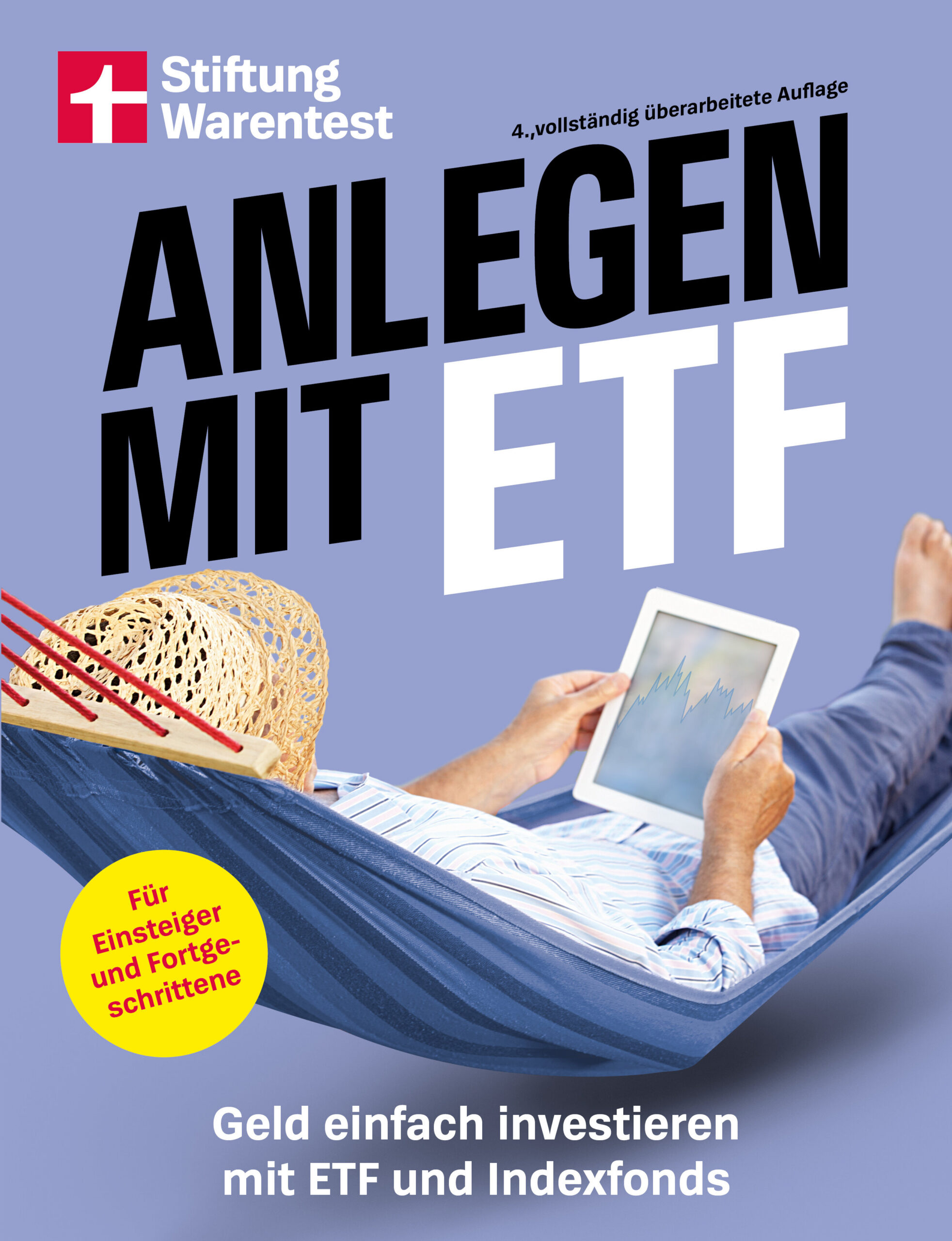
The danger multiplies when advisors target your parents. Helping family members identify high-commission bank products becomes urgent when you discover they’ve been sold ZinsFix-Zertifikate or similar structured products with opaque risks. These products often lock up capital for years while generating fat commissions.
One user discovered their mother had €80,000 in a “capital-guaranteed” product from her local Volksbank. The guarantee? She’d get her principal back after 10 years, minus inflation, minus the 3% annual fee, minus the opportunity cost of missing a 200% market rally. The advisor retired before maturity.
The Psychological Trap
The hardest part isn’t the math; it’s the emotional security blanket of a physical branch. Banks exploit this by traditional banks attempting to compete with independent investment apps through slick apps like S-Neo, while keeping their fee structures intact.
But maintaining discipline and honesty within your own investment strategy is easier when you’re not fighting your advisor’s incentives. An Investmenttagebuch (investment journal) tracking your actual returns versus the bank’s projections quickly reveals who benefits from the relationship.
The Verdict: Fire Your Bank, Not Your Financial Plan
The German financial regulator (BaFin) requires advisors to disclose conflicts, but buried in fine print you’ll find: “We receive kickbacks from product providers.” That’s not advice; it’s a sales channel.
Where Your Money Should Go
- A free depot at Trade Republic or Scalable Capital
- A single accumulating FTSE All-World ETF (ISIN: IE00B3RBWM25)
- A monthly savings plan of €1,000-€2,000
- A simple Excel sheet for tracking
Total annual cost: €440. No meetings, no suits, no quarterly performance reviews where you’re upsold the latest Aktienanleihe (equity-linked note).
The bank advisor’s four “concerns” aren’t about your risk; they’re about his revenue. And in a country where the average retirement savings gap is €180,000, that’s not just unethical; it’s a national crisis.
Next step: Open a depot, set up one automatic savings plan, and spend the €147,000 you saved on something that actually matters. Like your future.