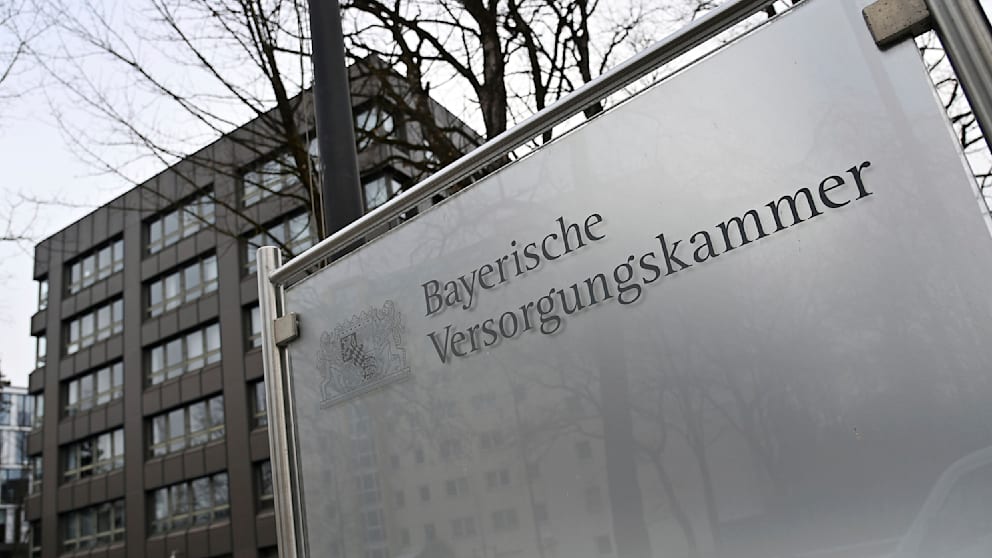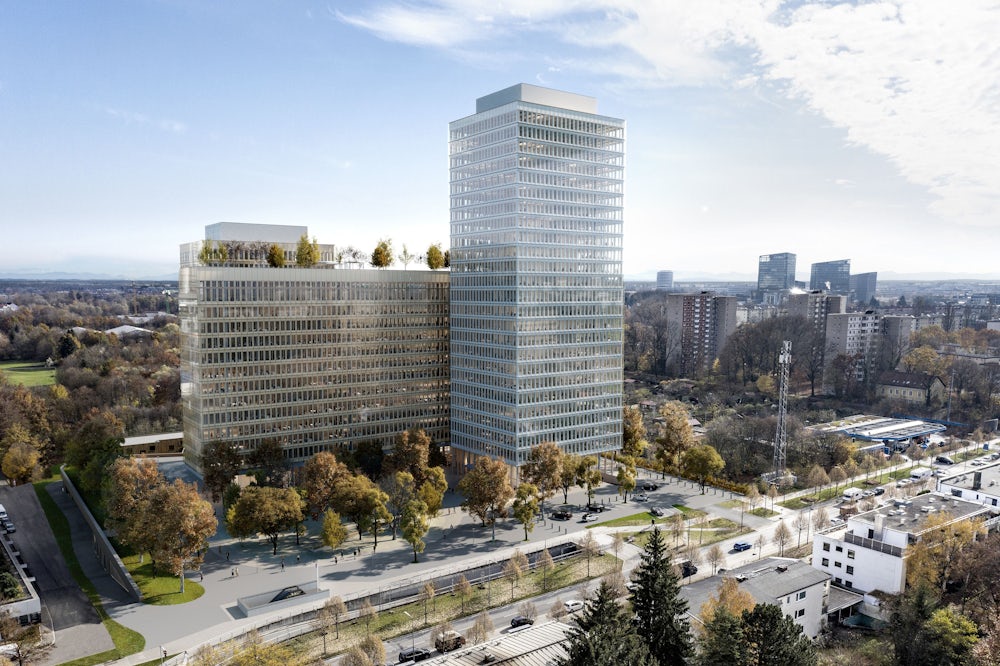
When Germany’s second-largest pension fund admits to losing up to €690 million on speculative US real estate bets, it’s not just a headline, it’s a warning shot across the bow of every professional relying on public retirement schemes. The Bayerische Versorgungskammer (Bavarian Pension Chamber, BVK) scandal reveals how institutional investors can abandon their core mandate in pursuit of yield, leaving 2.7 million insured members, doctors, lawyers, and other professionals, wondering if their retirement savings are truly secure.
What Happened: From San Francisco to Miami Beach
The BVK poured €1.6 billion into high-profile American properties, including the iconic Transamerica Pyramid in San Francisco, luxury hotels in Miami Beach, and prime Manhattan real estate. These weren’t conservative bond investments, they were speculative plays on US commercial real estate at a time when remote work was already hollowing out office demand. Today, many of these properties sit partially empty or have been sold at losses.
The numbers are staggering. For 2024 alone, the BVK wrote down €160 million on an €800 million investment. Management warned the total loss could reach €690 million. While that represents just 0.6% of the fund’s €117 billion in assets, the absolute figure matters. As one financial observer noted, describing this as “only 0.6%” misses the point, this is real money that won’t be available for future pension payments.

Due Diligence Failures and Red Flags
Perhaps most damning is the revelation that the BVK invested with partners who had already raised red flags. Some funds flowed to projects tied to a US real estate developer previously convicted of tax fraud in 2018, a fact the BVK apparently discovered too late. Axel Uttenreuther, the BVK’s chief executive since June 2023, admitted to compliance violations in September 2025 and fired two long-standing investment managers.
This raises a critical question: How does a pension fund with a legal mandate for “conservative” investing end up betting on high-risk foreign real estate with questionable partners? The answer lies in a perfect storm of low interest rates, pressure for returns, and institutional complacency.
The Systemic Pressure: When “Conservative” Becomes Relative
German pension funds like the BVK face a structural dilemma. They’re legally required to preserve capital and generate modest returns, typically targeting 2-3% annually. During Germany’s prolonged period of negative interest rates, traditional safe investments like German government bonds actually cost money to hold. This created immense pressure to seek yield elsewhere.
Critics argue the BVK had no choice, pointing out that genuine conservative investments simply couldn’t meet return targets. But this defense crumbles under scrutiny. As investment experts emphasize, conservative investing means risk management, not avoiding risk entirely. Proper diversification across asset classes, not plowing billions into a single foreign market, would have prevented a crisis of this magnitude.
The BVK’s own data shows they maintained their 3% average return even after the losses, suggesting the problem wasn’t the target but the execution. When funds chase yield without expertise, “stupid German money” becomes a self-fulfilling prophecy.
Legal and Political Fallout
The scandal now extends beyond financial losses. Tenants and buyers of the failed US properties have filed lawsuits against both the developer Michael Shvo and the BVK itself. In a twist, Shvo is countersuing for $85 million in allegedly unpaid fees. German lawyers Peter Mattel and Stephan Greger, known for their work on the Wirecard case, have formed an “Interessengemeinschaft Versorgungswerke” (Pension Funds Interest Group) to investigate and potentially sue the BVK for damages.
Munich prosecutors have launched preliminary investigations, and the Bavarian Interior Ministry, responsible for supervising the BVK, finds itself in the crosshairs. The ministry claims it had no “supervisory responsibility” for individual investment decisions, a defense that exposes troubling regulatory gaps. If the oversight body isn’t accountable, who is?
The Transparency Problem
The BVK’s communication has done little to reassure members. Their December 2025 admission of “up to €690 million” in potential losses came only after media pressure. The organization insists ongoing pension payments aren’t at risk, citing long-term buffers and the small percentage relative to total assets. But this reassurance rings hollow for the 2.7 million insured professionals who had no choice but to contribute to this scheme.
German law requires membership in these Berufsständische Versorgungswerke (professional pension funds) for certain self-employed professionals. Unlike private investors who can exit bad funds, BVK members are trapped. This mandatory participation makes due diligence failures and transparency gaps even more egregious.
Lessons for German Investors
1. Question the “Safe” Label
The BVK case proves that institutional status doesn’t guarantee safety. Versorgungswerke (pension funds) are often perceived as ultra-safe due to their public nature and mandatory membership. In reality, they face the same pressures and can make the same mistakes as private funds, sometimes worse, thanks to bureaucratic decision-making and political oversight gaps.
2. Understand Your Fees
BVK members pay contributions based on income, but transparency about investment costs and fees remains limited. The Shvo lawsuit over $85 million in fees highlights how external costs can erode returns. Demand clear fee disclosures from any pension provider.
3. Diversification Isn’t Just a Private Investor’s Concern
The BVK concentrated risk in a single foreign market and asset class. Proper diversification across geographies, asset types, and risk levels is even more critical for large funds. Ask your pension provider about their diversification strategy and limits on single-market exposure.
4. Due Diligence Must Be Verifiable
The BVK’s failure to identify a partner’s prior fraud conviction is inexcusable at this scale. For individual investors, this means checking not just investment products but also the people and institutions managing them. Use publicly available resources like the Bundesanstalt für Finanzdienstleistungsaufsicht (Federal Financial Supervisory Authority, BaFin) warnings and commercial registers.
5. Regulatory Gaps Are Your Problem
The Bavarian Interior Ministry’s denial of responsibility reveals a dangerous accountability vacuum. In Germany’s federal system, pension fund oversight can be fragmented. Know which authority supervises your pension provider and understand their actual powers, or lack thereof.
The Bigger Picture: Are Other Funds at Risk?
The BVK isn’t alone. Germany’s landscape of Öffentliche Versorgungswerke (public pension funds) manages hundreds of billions in mandatory contributions. Many face identical yield pressures and may have taken similar risks. The Wirecard scandal already exposed German regulatory weaknesses, the BVK case suggests financial oversight gaps extend to pension security.
For the 2.7 million BVK members, immediate action options are limited. But the scandal should spark broader reform demands: mandatory transparency standards, stricter diversification rules, and clearer accountability when public funds fail their basic mandate.
What You Can Actually Do
If you’re a BVK member:
– Demand information: Submit written questions about your contributions’ allocation and the fund’s risk management
– Join advocacy efforts: Support organizations pushing for pension fund reform
– Diversify personally: Don’t rely solely on your mandatory pension, build separate retirement savings through individual ETFs or Riester-Rente (Riester pension) plans
If you’re in another Versorgungswerk:
– Review your fund’s investment reports: Look for geographic concentration and alternative asset exposure
– Check supervisory actions: Search BaFin and state ministry records for warnings or sanctions
– Assess your exit options: Some professional funds allow supplementary private plans
For all German investors:
– Verify advisor credentials: Use the IHK (Chamber of Industry and Commerce) and other professional registers
– Question high yields: If a “conservative” fund promises returns above 3%, ask exactly how
– Follow the money: Insist on knowing which external managers and partners receive your investment fees
The BVK’s €690 million loss is more than a scandal, it’s a case study in how institutional investors can lose their way when chasing returns in a low-rate environment. For Germany’s professionals, the lesson is clear: even mandatory pension schemes require vigilant oversight, and “public” doesn’t mean “safe.”