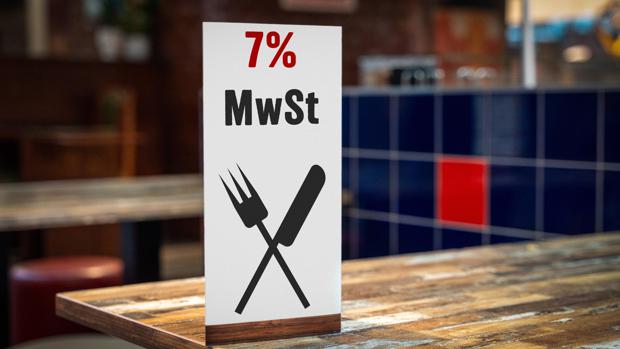
Starting January 1st, Germany will slash the VAT on restaurant meals from 19% to 7%. In theory, that €18 burger should cost €16.18. In practice, you’ll keep paying €18, and the difference will vanish into the accounting departments of major gastronomy chains faster than a Döner at 2 AM.
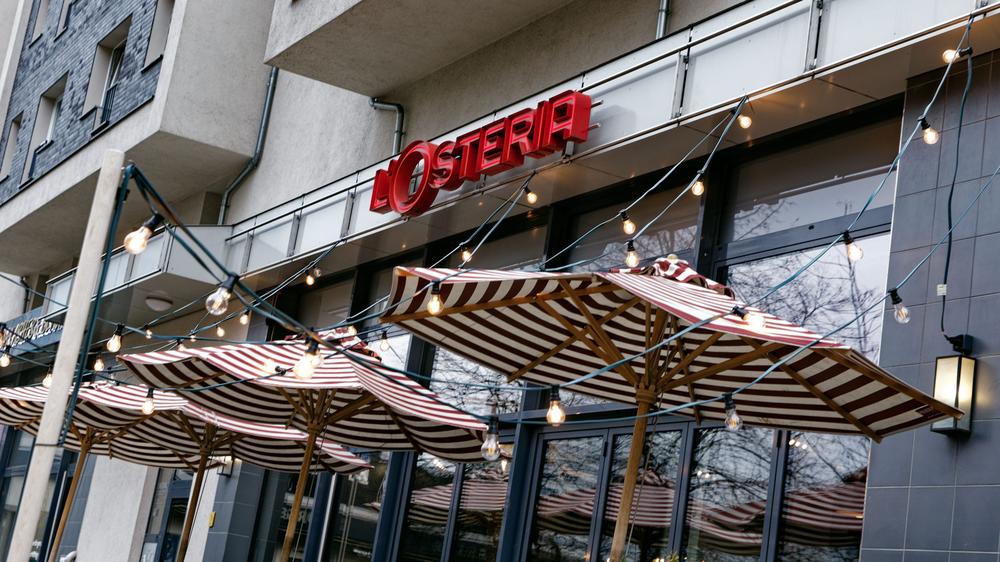
The arithmetic is simple: a 12-percentage-point tax reduction creates a 10% price gap that could flow back to consumers. The reality? KFC, Burger King, L’Osteria, and Nordsee have all announced they’ll absorb the tax cut to offset rising costs. The German Hotel and Restaurant Association (Dehoga) calls this “the most important measure for securing the future of restaurants, inns, and cafés.” Consumers might call it something else entirely.
The VAT Cut That Isn’t For You
The Bundestag approved this tax relief as part of the coalition agreement between the Union and SPD, with the Bundesrat giving final approval on December 19th. The measure returns the hospitality sector to the reduced rate that applied during the pandemic, before it reverted to 19% in 2024. The finance ministry estimates this will cost public coffers €3.6 billion in 2026 alone, with states losing €11.2 billion and municipalities another €1.4 billion.
That’s a massive subsidy. But unlike direct cash payments to struggling businesses, this one passes through your wallet. Or rather, it was supposed to.
Why Tax Cuts Flow Up, Not Down
Matthias Firgo, professor of economics at Munich University of Applied Sciences, isn’t surprised. “Tax cuts are generally passed on to consumers to a lesser extent than tax increases”, he explains. International studies consistently show this asymmetric effect. When VAT increased in 2024, restaurants passed about 70% of the hike to customers within months. When it decreases, the pressure reverses.
The difference lies in economic incentives. A tax increase immediately squeezes profit margins. Restaurants must raise prices or lose money. But a tax cut creates a windfall. With no immediate pressure to adjust, businesses weigh the cost of reprinting menus, updating POS systems, and communicating changes against simply pocketing the difference.
The Cost Inflation Defense
Restaurant operators aren’t entirely wrong about rising expenses. The Dehoga spokesperson points to the minimum wage increase coming in 2026: “These additional costs must first be earned.” Food prices, energy costs, and staffing expenses have outpaced menu price increases in recent years.
Consumer Reactions: Voting With Wallets
Many diners aren’t buying the argument. The prevailing sentiment among international residents and locals alike is frustration. Some report dramatically reducing restaurant visits, citing both high prices and declining quality. Others note changing dining habits: sharing main courses, nursing single drinks for hours, or abandoning regular Stammtisch gatherings because participants “block tables but order hardly anything.”
The Political Irony
Finance Minister Lars Klingbeil has been urging Germans to save more. Yet this policy effectively subsidizes businesses without requiring them to pass savings to consumers. As one observer noted, “As an employer, I get to keep less than 50% of what I generate, only to simply give it to McDonald’s.”
Practical Workarounds for the Discerning Diner
If you’re not keen on financing corporate margins with your after-tax income, several strategies emerge:
- 1. Time your visits strategically. Some chains like KFC might offer temporary promotions. Watch for “punktuelle Preissenkungen” at franchise locations trying to boost traffic.
- 2. Support independents. Many individual restaurateurs face genuine cost pressures and might offer better value. The tax cut gives them more breathing room to survive without raising prices further.
- 3. Adjust your expectations. The €18 burger isn’t getting cheaper. But the price might not jump to €20 as quickly as it would have without the tax cut. Firgo’s prediction that “price increases will slow down” could materialize, even if absolute prices don’t fall.
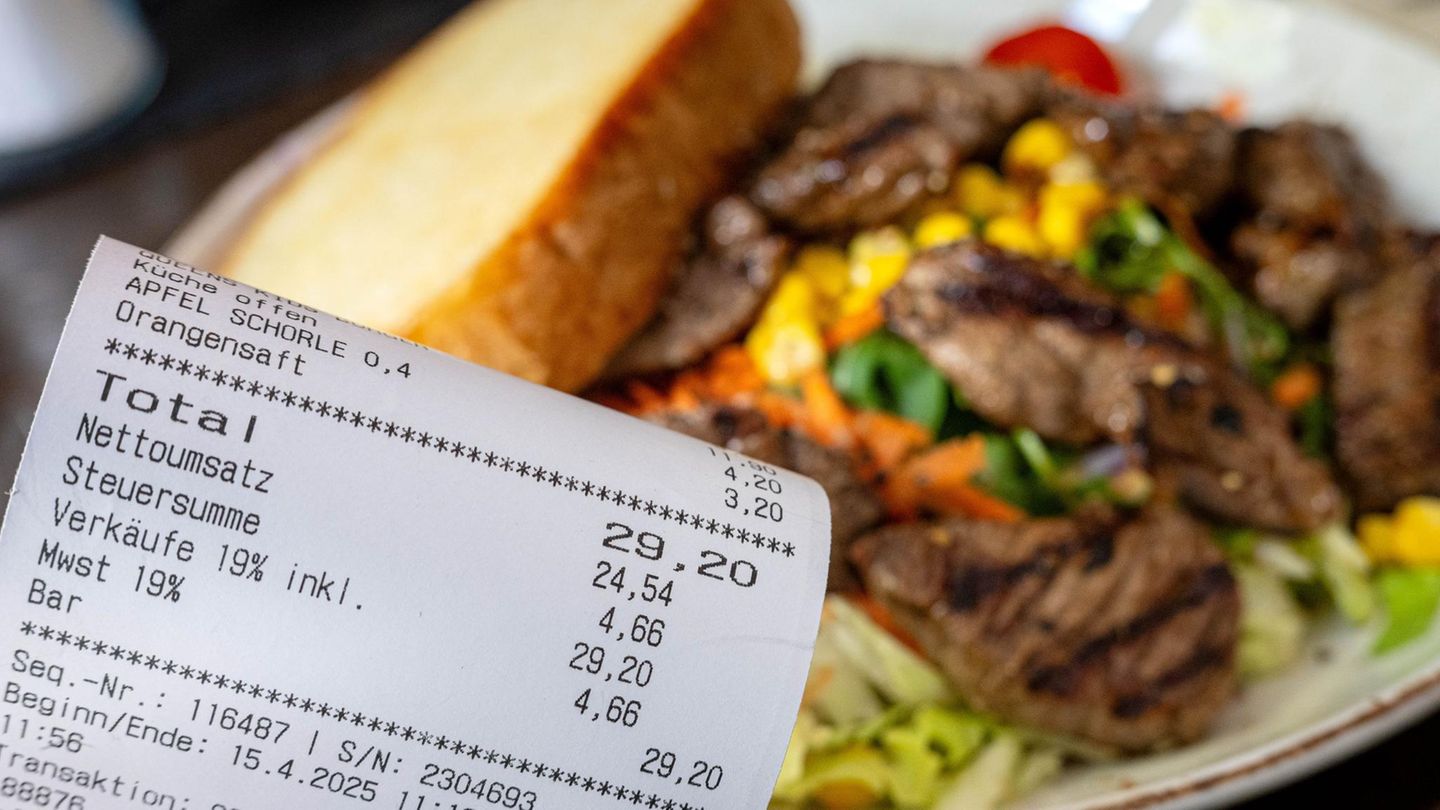
- 4. Channel your inner German bureaucrat. Some consumers are keeping receipts and comparing prices before and after January 1st. If a restaurant claimed cost pressures forced them to maintain prices, but their costs haven’t actually risen proportionally, that’s useful information for future dining decisions.
- 5. Consider the real savings. The biggest financial win might be avoiding restaurants altogether and channeling that money into your ETF-Sparplan. As one finance-savvy resident quipped, “That way I save more anyway than if the innkeeper passed on the tax cut 1:1.”
The Bottom Line
This VAT cut reveals a fundamental truth about German economic policy: the path from legislative intent to consumer benefit is paved with good intentions and potholed with practical complications. The €3.6 billion question is whether subsidizing businesses without strings attached actually serves the public interest.
For now, your restaurant bill won’t change. The money will flow to franchise owners, corporate headquarters, and perhaps toward keeping your favorite local place in business. Whether that’s a fair trade depends entirely on which establishments you patronize and how much you trust their cost calculations.
The German approach here mirrors its approach to many things: technically correct according to the rules, but leaving individuals wondering if the system works for them or simply works as designed. The difference between those two perspectives is exactly what you’ll find on your next restaurant receipt, unchanged, despite the political fanfare.