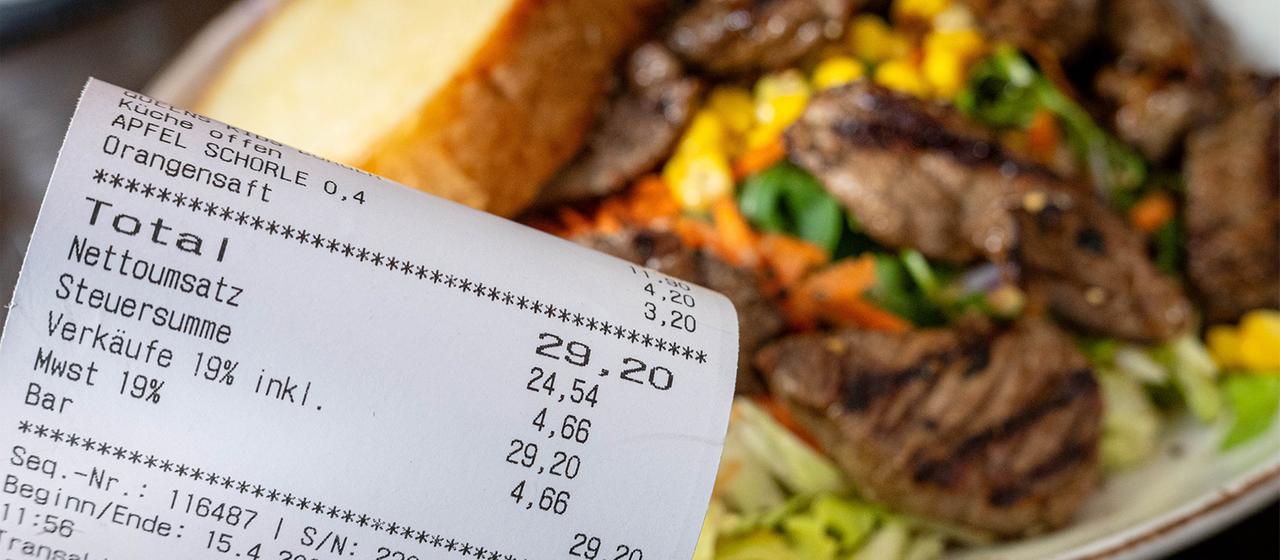
Starting January 1, 2026, Germany’s restaurant VAT drops from 19% to 7%. But with the industry citing rising costs and inflation-adjusted revenues still 17% below pre-pandemic levels, most businesses plan to keep the savings. Fast-food chains like McDonald’s face criticism for receiving what consumer advocates call a “tax gift” worth hundreds of millions, even as they announce selective price cuts.
The Tax Cut That Isn’t for You
Germany’s coalition government has delivered a substantial tax break to the struggling gastronomy sector, permanently reducing the VAT on restaurant meals from 19% to 7%. The move, championed by the DEHOGA hospitality association, promises to level the playing field with delivery services and supermarkets that have long enjoyed the reduced rate.
But here’s the catch: nobody’s required to actually make your schnitzel cheaper.
Ingrid Hartges, DEHOGA’s chief executive, has been refreshingly direct about this. The tax savings will primarily plug holes in restaurant budgets blown open by energy costs, food price inflation, and a minimum wage jumping to €13.90 per hour in 2026. As she told Tagesschau: “It will not be that prices on the menu will fall from today to tomorrow.”
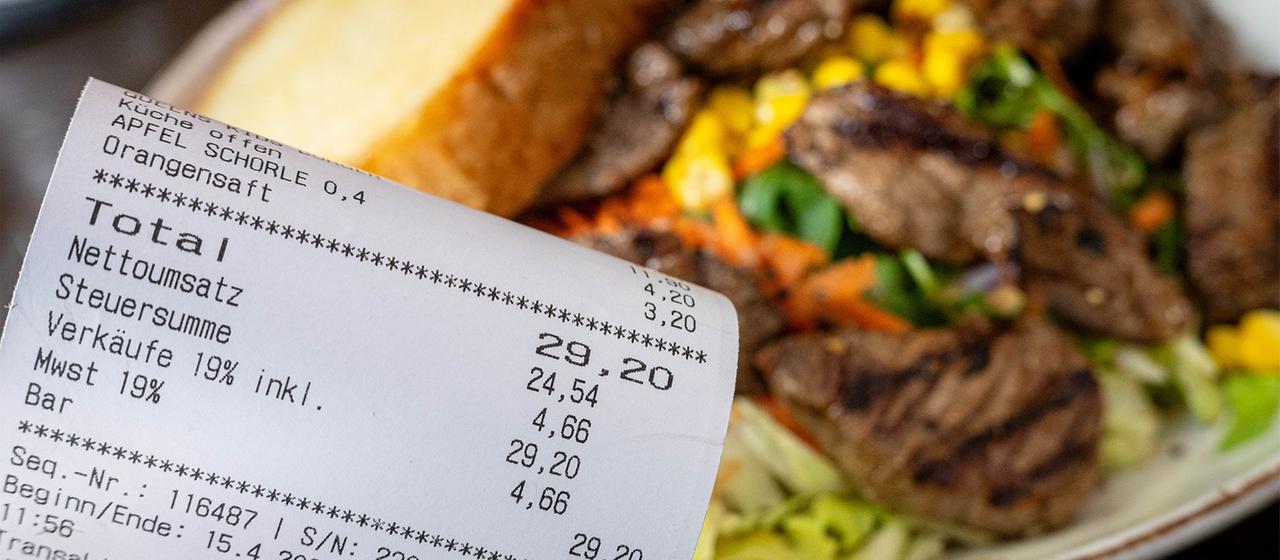
The Industry’s Math Doesn’t Add Up for Consumers
The numbers tell a stark story. According to DEHOGA, inflation-adjusted revenue in German gastronomy remains roughly 17% below 2019 levels. Restaurants have been hemorrhaging money since COVID-19, with many only narrowly surviving.
A Krefeld restaurateur explained the reality to Tagesschau: customers are already ordering cheaper dishes, drinking less, and heading home earlier. During the recent Christmas party season, he noticed companies only paying for food, not drinks, clear evidence that budgets are tightening.
But here’s where the industry’s argument starts to wobble. While restaurants claim they can’t afford to lower prices, the tax cut delivers a direct €3.6 billion annual windfall to the entire sector. That’s not a loan or a conditional subsidy, it’s pure cash flow improvement.
Fast Food’s Hundred-Million-Euro Gift
Consumer protection organization foodwatch has been particularly vocal about the absurdity of subsidizing global fast-food chains. Their analysis suggests McDonald’s alone will pocket approximately €140 million annually from this measure, with the entire fast-food sector collecting around €500 million.
“While consumers groan under high food prices, fast-food corporations get a tax gift”, foodwatch stated in a press release. The organization argues that instead of subsidizing burger chains, the government should reduce taxes on healthy foods like fruits and vegetables.
The critique stings because it’s true. McDonald’s and other system gastronomy chains operate on completely different economics than independent restaurants. They’ve already optimized supply chains, staffing, and pricing through years of data analysis. Their profit margins aren’t being squeezed by energy costs in the same way a family-owned restaurant in a historic building is.
The Partial Price Cut: McDonald’s Strategic Move
Faced with public criticism, McDonald’s has announced it will pass on some savings to customers. According to Echo24, the chain plans to reduce prices on five popular menu items, Happy Meals, three McSmart menus, and Big Mac menus, by over 15% starting January 1.
The move is undeniably good PR. Families with lower incomes will feel genuine relief. But it’s also highly selective. Nobody’s cutting prices on everything, and the company still captures most of the tax benefit.
More cynically, some observers note that McDonald’s already blurred the lines between takeout (7% VAT) and dine-in (19% VAT) pricing before the change. Many customers report that prices didn’t vary significantly between eating in and taking away, despite different tax rates. If true, this means the chain was already pocketing the difference, making the “new” savings simply a continuation of old practices under a unified rate.
The “Broken Card Terminal” Problem
A recurring theme in discussions about restaurant taxes is the mysteriously dysfunctional card terminal. Many German eateries, particularly smaller establishments, claim their EC terminals are broken and accept only cash.
The unspoken truth: this facilitates tax avoidance. If transactions aren’t digitally recorded, they can be underreported. One commenter in a finance forum noted that for some restaurateurs with “broken” card readers, the tax cut represents an increase from 0% to 7% taxation.
This perspective gained traction when another user responded: “It’s actually a reduction in tax evasion (only 7% instead of 19%). To compensate, prices must first be increased.”
The German government has tried to address this by mandating digital payment options, but DEHOGA and other industry groups have pushed back, arguing that card fees make small transactions unprofitable.
What the Law Actually Requires (Spoiler: Nothing)
Unlike price controls or consumer protection mandates, the VAT reduction comes with zero strings attached. Restaurants are free to:
– Keep menu prices exactly the same and pocket the 12 percentage point difference
– Reduce prices partially (as McDonald’s is doing selectively)
– Reduce prices fully (which almost nobody is planning)
The legal framework focuses on the technical implementation, updating cash registers by January 1, separating food and drink sales correctly, handling prepayments, but nowhere does it require businesses to pass savings to consumers.
As one tax law specialist explained in a hospitality industry publication, the law provides for “appropriate compensation, not necessarily full transfer of the tax advantage.” Whether and how much compensation occurs is determined case by case.
The Political Theater
The tax cut has become something of a political football. Minister presidents from various states have lined up to praise the measure, each adding their own spin.
Markus Söder, Bavaria’s CSU leader, declared that gastronomy is “not just any industry, but important for the country.” Rheinland-Pfalz’s Alexander Schweitzer emphasized how the measure would preserve community gathering places. Thuringia’s Mario Voigt called restaurants “places of conversation where society comes together.”
Meanwhile, Bremen’s mayor Björn Fecker voted against the measure in the Bundesrat, arguing it lacked proper funding and suggesting alternative financing mechanisms like mandatory cash registers.
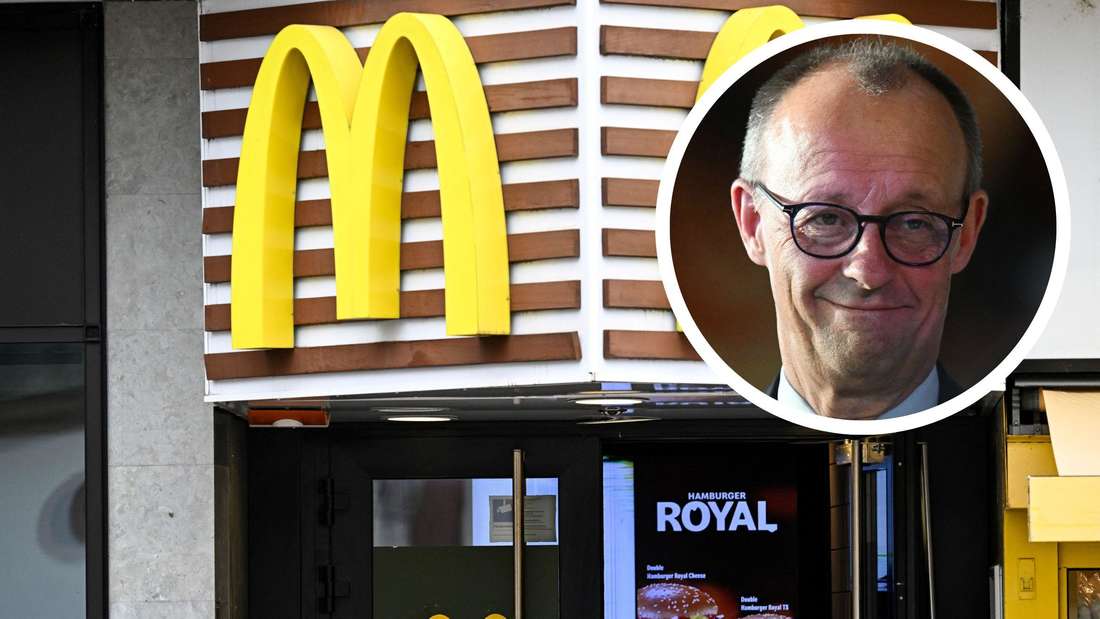
The CDU’s proximity to McDonald’s, Chancellor Friedrich Merz and other politicians have been photographed with the chain’s products, and McDonald’s sponsored the 2024 CDU party conference, adds another layer of perceived conflict of interest.
Consumer Reality Check
So what should German diners actually expect in 2026?
Independent restaurants: Minimal to no price reductions. Your favorite neighborhood Italian place isn’t making your pasta cheaper. The tax savings will go toward rent, wages, and utilities. Some might add a few euros to staff pay or finally fix that broken heating system.
Fast-food chains: Selective price cuts on high-visibility items to generate positive PR, while maintaining or quietly increasing prices elsewhere. McDonald’s 15%+ reduction on five menu items is likely the template others will follow.
Cafés and bakeries: Similar to restaurants. The 7% rate already applied to takeout, so the change primarily affects sit-down customers. Don’t expect your morning coffee to get cheaper.
System gastronomy (Vapiano, L’Osteria, etc.): These businesses face the same cost pressures as independents but have more pricing flexibility. They might offer temporary promotions but will likely keep most savings.

The Bottom Line
The VAT reduction is a €3.6 billion annual industry subsidy dressed up as consumer relief. While independent restaurants genuinely need support after years of crisis, the blanket approach means global fast-food chains collect hundreds of millions they don’t urgently require.
Consumer advocates have a point: targeted support for small businesses would have been more equitable. But Germany’s political system favors broad measures that avoid picking winners and losers, even when the result is McDonald’s getting a nine-figure tax break while claiming poverty.
Your schnitzel won’t get cheaper. But maybe, just maybe, that family-owned place around the corner will survive another year, and the server who brings your beer might earn a slightly more livable wage. In Germany’s current economic climate, that might be the best consumers can realistically hope for.
For diners watching their budgets, the advice remains unchanged: cook at home more often, look for daily specials, and maybe learn to fix that “broken” card terminal yourself.