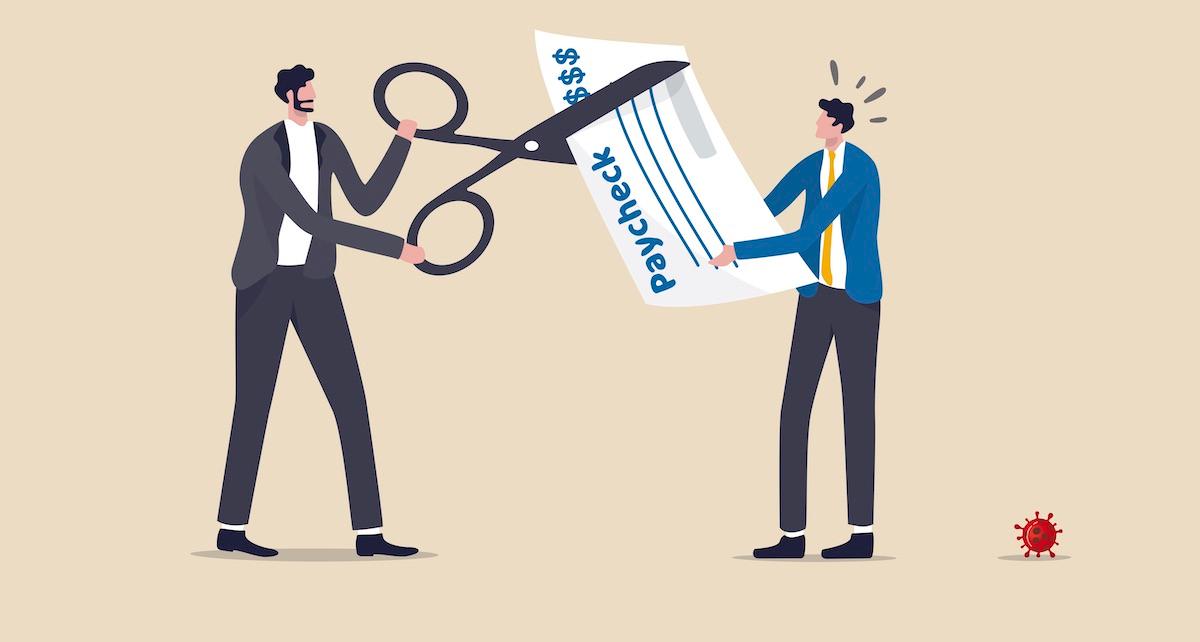
Your paycheck says you’re earning the same. Your bank account disagrees. In 2026, a peculiar financial alchemy is transforming stable gross salaries into shrinking net incomes, and most Germans won’t see it coming until the money’s already gone.
Take the case of one Beamter in Baden-Württemberg who examined his January 2026 pay slip. Despite no change in his gross salary, he found himself down €50 from income tax adjustments. Then came the private health insurance letter: a 16% premium hike, shaving another €60 off his monthly budget. Just like that, €110 evaporates every month, €1,320 per year, for the same job, same responsibilities, same nominal pay.
This isn’t a fluke. It’s the new normal.
The Illusion of Stability
While politicians tout tax relief and economic resilience, the numbers from payroll processor Datev tell a different story. Their calculations for 14.7 million German employees reveal a sobering truth: tax cuts are being systematically devoured by rising social contributions.
The mechanism is brutally simple. Social security contribution limits, those income thresholds beyond which you stop paying into the system, have jumped significantly for 2026. For someone earning above the new Beitragsbemessungsgrenzen, this means hundreds more euros of income are now subject to the full force of social contributions.
The Three Pillars of Paycheck Erosion
1. The Social Contribution Squeeze
For 2026, the income threshold for statutory pension and unemployment insurance has risen to €7,550 monthly (West Germany). Health and long-term care insurance limits hit €5,512.50. Every euro above previous limits now faces a combined social contribution rate of roughly 20%.
The math is merciless: A employee earning €6,000 monthly suddenly pays contributions on an additional €487.50 of income. That’s roughly €100 more in social contributions monthly, €1,200 annually, without a single cent of gross salary increase.
2. Private Health Insurance’s Double Whammy
While statutory insurance holders face contribution increases, Privatversicherte (privately insured) face a unique pincer movement. Not only are their premiums rising, sometimes by double digits as one Beamter’s 16% hike demonstrates, but the tax deductibility of these premiums has also been recalibrated.
The abolition of the Mindestvorsorgepauschale (minimum provision allowance) in 2026 was supposed to be offset by electronic data transmission from insurers to tax authorities. When the Bundeszentralamt für Steuern experienced technical failures in November 2025, the system defaulted to higher tax withholdings for January. While corrections are promised for February pay slips, the cash flow damage is immediate.
3. The Stealth Tax of “Cold Progression”
Even where nominal tax rates fall, kalte Progression (bracket creep) continues its silent work. Inflation-driven salary adjustments push taxpayers into higher brackets, but the 2026 tax rate adjustments only partially compensate. The result: effective tax burdens remain higher than pre-inflation levels.
The Income-Specific Damage Report
Datev’s analysis shows the impact is anything but uniform:
-
Low earners (€2,000-2,500 gross): Actually see net decreases because higher health insurance contributions outweigh minimal tax relief. A married couple in this bracket loses money monthly.
-
Middle earners (€3,000-5,500 gross): The “lucky” ones. A single person at €5,500 might gain €64 per year, a princely €5.33 monthly, wiped out by a single trip to the bakery.
-
High earners (€5,500-8,000+ gross): The pain intensifies with each bracket. A single parent at €6,000 loses €177 annually. A childless married couple at €9,000? €464 gone, nearly €39 monthly.

Why Beamte Are the Canary in the Coal Mine
Civil servants like our €110-per-month loser face a unique vulnerability. Their Beihilfe system plus private insurance was supposed to be a perk. Now it’s a liability. While statutory insurance holders share risk across millions, PKV holders face individual premium explosions, especially as they age or claim benefits.
Worse, Beamte pay pension contributions through their income tax, meaning they indirectly fund the same rising pension costs that affect everyone else, without the transparency of a line-item deduction.
The Broader Economic Context
This isn’t happening in a vacuum. The same forces driving up contribution limits, aging demographics, healthcare cost inflation, and pension system pressures, are structural. As one tax expert noted, “Realistisch gesehen gibt es einfach weniger zu verteilen (arbeitende Bevölkerung, Wirtschaftskraft) aber immer größere Aufgaben zu erledigen (Verteidigung, Rente, Klima).”
Translation: The pie isn’t growing, but the slices for defense, pensions, and climate adaptation are getting bigger. Someone pays. That someone is you.
What You Can Actually Do
-
Audit your pay slip: Don’t just check the total. Compare January 2026 line-by-line with December 2025. Look for “Sozialversicherung” increases.
-
PKV holders, shop around: A 16% hike is negotiable. Threaten to switch. Actually get quotes. The market is competitive.
-
Tax class review: For married couples, switching tax classes (Steurklassenwechsel) might offset some losses, though the benefit is often temporary.
-
Salary sacrifice: Divert income into betriebliche Altersvorsorge or other tax-advantaged benefits before social contributions hit.
-
Track the real wage: Calculate your Netto-Reallohn (net real wage) quarterly: (Net salary ÷ consumer price index) × 100. If it’s falling, you’re losing ground.
The Uncomfortable Truth
The €100 monthly loss isn’t a bug, it’s the system working as designed. Social contributions are rising because the system needs more revenue. Tax deductions are changing because the Finanzamt needs simpler processes. Your employer pays the same gross, so from their perspective, nothing changed.
The hidden crisis is that stability is the new decline. In 2026, a stagnant gross salary is a cut in disguise. The money you don’t see leaving is the money you’ll never miss, until you try to pay your PKV bill.
The difference between gross and net is no longer just about taxes, it’s about which hidden increases hit your wallet hardest.
Bottom line: Check your January pay slip. If the net is down while gross is unchanged, you’re not imagining it. You’re just early to a party where everyone’s invitation includes a hidden cover charge.