Netto’s latest promotion flashes a seductive promise: 20% off Deutsche Bahn tickets via its app, sweetened with bonus Payback points. On paper, it’s a commuter’s dream. In reality, it’s a masterclass in behavioral economics that could either slash your travel budget or nudge you into spending money you never planned to part with. The deal itself is straightforward, pay €27 for a €30 DB gift card, stack 10x Payback points, and watch your effective discount climb toward 14%. But the financial psychology behind it? That’s where things get genuinely interesting.
The Deal Mechanics: What You’re Actually Buying
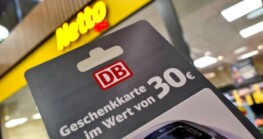
Let’s cut through the marketing fog. Netto isn’t selling discounted train tickets, they’re selling pre-paid DB gift cards with a immediate 10% markdown. From December 16-21, 2025, you can grab a €30 Bahn Gutschein for €27 at Netto checkouts. The 10x Payback points add roughly €1.30 in value, pushing your true cost down to about €25.70. The cards work on virtually all DB products except the Deutschlandticket, remain valid for five years, and you can use up to five per booking.
Sounds brilliant, right? Many deal-hunters certainly think so. The promotion has sparked a predictable rush, with savvy shoppers reporting they’ve bought stacks of cards to lock in future savings. Some even layer regional Edeka bonuses on top, squeezing the effective price closer to €23 per card. In a country where Deutsche Bahn’s reputation for punctuity is matched only by its talent for price hikes, any discount feels like a small victory.
But here’s the first catch: that €3 saving only materializes if you were already planning to spend €30 on train travel. Otherwise, you’ve just prepaid for a service you might not use, locking cash into a non-refundable voucher for half a decade.
The Psychological Architecture of “Forced Savings”
This is where the promotion reveals its cleverness. By framing the purchase as “saving 10%”, Netto and DB tap into a powerful cognitive bias: loss aversion. Consumers feel they’re losing money if they don’t grab the deal, even when passing on it costs them nothing. The five-year validity sounds generous, but it’s actually a trap, it creates false confidence that you’ll “definitely use it eventually”, making the purchase feel risk-free.
Research on similar supermarket-finance partnerships shows a pattern: roughly 30% of gift card value goes unused. While DB’s five-year window reduces that risk, many international residents report buying cards they forget about or can’t use flexibly enough. The activation delay, up to 24 hours, adds another friction point that can derail spontaneous travel plans.
The Payback integration is particularly sneaky. Those 10x points feel like free money, but they bind you further into Netto’s ecosystem. You’re not just buying a train ticket, you’re committing to future grocery shopping to redeem points worth a measly €1.30. That’s not a reward, it’s a retention mechanism.
Who Actually Wins?
The math works beautifully for one group: frequent long-distance travelers who already budget for DB trips. If you spend €300+ annually on trains, buying 10 cards saves you €57 upfront, plus around €13 in Payback value. That’s real money.
For everyone else, the calculation crumbles. Occasional travelers face a liquidity trap, cash that could earn interest in a Tagesgeldkonto or cover emergency expenses instead sits idle in plastic cards. The discount also tempts people to choose DB over cheaper alternatives like FlixTrain or long-distance buses, potentially increasing their total travel spend.

Consider the opportunity cost: that €27 could buy a FlixTrain ticket from Berlin to Munich for €9.99, leaving €17 for something else. Instead, you’ve committed to DB’s often pricier fares. The “discount” might actually cost you flexibility and better deals elsewhere.
The Hidden Costs Nobody Talks About
Deal forums are filled with stories of people who bought multiple cards only to discover restrictions. Some report that the 10x Payback points didn’t auto-credit, requiring tedious customer service battles. Others found their local Netto had already hit its daily sales limit, typically €700 in vouchers per register, forcing them to return empty-handed or make multiple trips.
There’s also the mental load. Tracking five-year expiration dates, remembering to use cards before booking, and ensuring you don’t exceed the five-per-booking limit creates a micro-management burden. For a saving of €3 per card, is that cognitive overhead worth it?
And then there’s the spending acceleration effect. Many consumers admit that owning these vouchers pushes them to take train trips they otherwise wouldn’t have, “I’ve got the credit, might as well use it.” The discount becomes a self-justification for discretionary spending, the opposite of genuine saving.
Strategic Extraction: How to Actually Profit
If you’re determined to exploit this deal without falling into its traps, you need a tactical approach:
-
Audit your actual travel needs: Check your DB account history. Did you spend at least €120 on tickets in the past year? If not, skip the promotion entirely.
-
Buy only what you’ll use in 12 months: Ignore the five-year validity. If you won’t use the cards within a year, you’re subsidizing DB’s cash flow for minimal return.
-
Stack ruthlessly, but only once: Combine the Netto discount with Payback points and any regional Edeka bonuses in a single purchase. Then stop. Buying cards incrementally increases your exposure to the psychological traps.
-
Set a calendar reminder: For exactly 11 months from purchase. If you haven’t used the cards by then, sell them to friends at face value or use them for a planned trip. Don’t let them expire.
-
Never use them for Deutschlandticket: The promotion explicitly excludes the €49 ticket, DB’s best value product. If that’s your primary DB expense, these cards are worthless to you.
The Bigger Picture: Retail-Finance Partnerships Are Here to Stay
Netto’s DB partnership is part of a broader German trend. Edeka, Rewe, Penny, and even Aldi have run similar promotions. The strategy is clear: supermarkets become financial hubs, embedding themselves deeper into consumers’ lives. You don’t just buy groceries, you buy insurance, phone contracts, and now transportation.
This vertical integration benefits companies far more than consumers. It consolidates spending data, increases store loyalty, and creates switching costs. When your Payback points, Bahn Gutscheine, and grocery shopping all intertwine, leaving Netto for a cheaper discounter becomes psychologically harder.

The real question isn’t whether this specific deal saves money, it does, mathematically, but whether participating in these ecosystems makes you a smarter consumer or a more predictable one. The data suggests the latter. People who chase these promotions tend to spend 15-20% more overall than those who stick to simple, needs-based purchasing.
Final Verdict: Clever Reward with a Hidden Cost
Netto’s Bahn discount is genuinely useful if and only if you meet three criteria: you’re a frequent DB traveler, you have the cash flow to pre-pay without strain, and you possess the organizational discipline to use the cards before they expire and without altering your travel behavior.
For everyone else, it’s a behavioral economics trap dressed as a bargain. The €3 saving is real, but the risk of induced spending, opportunity cost, and mental overhead often outweighs it. You’re not cheating the system, you’re volunteering for it.
The German consumer’s best response? Selective participation. Buy exactly enough cards to cover your already planned travel for the next year, extract the Payback points, then exit the promotion entirely. Treat it like a limited-time discount on a product you’d buy anyway, not as an invitation to travel more.
Because in the end, the only discount that truly matters is the one that leaves more money in your account, not just more plastic in your wallet.