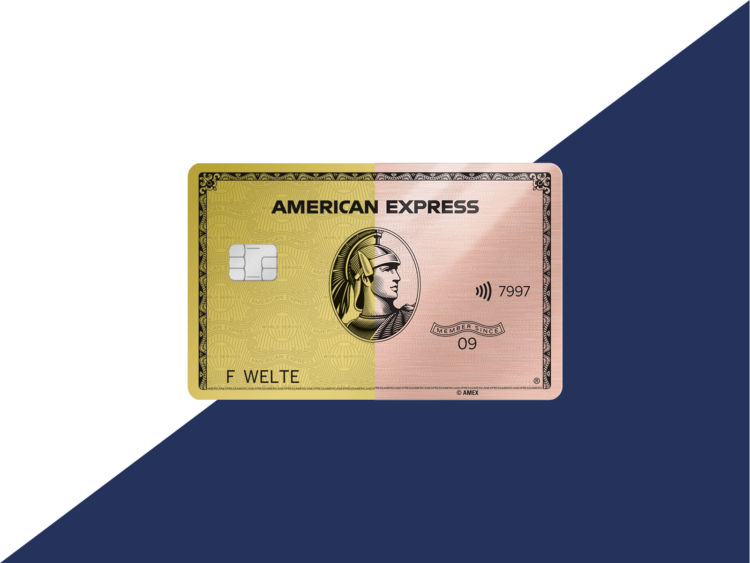
The Austrian credit card market has a dirty secret: most rewards cards are a mathematical disappointment dressed in metallic finishes and airport lounge promises. While American consumers enjoy 5% cashback categories and sign-up bonuses that can fund a vacation, Austrian residents face a fragmented landscape where the question isn’t which card is best, but whether any premium card justifies its Jahresgebühr.
The Rewards Math That Austrian Banks Hope You Won’t Do
Let’s start with the basics. The typical Austrian rewards card offers between 0.5% and 1% cashback or its equivalent in points. The Amazon Visa card, widely considered the best free option, gives you 1 Amazon point per €2 spent, effectively 0.5% cashback that you can only spend on Amazon. The Payback American Express card offers 1 point per €3, roughly 0.33% value, though these points can be converted to Miles & More miles at a 1:1 ratio.
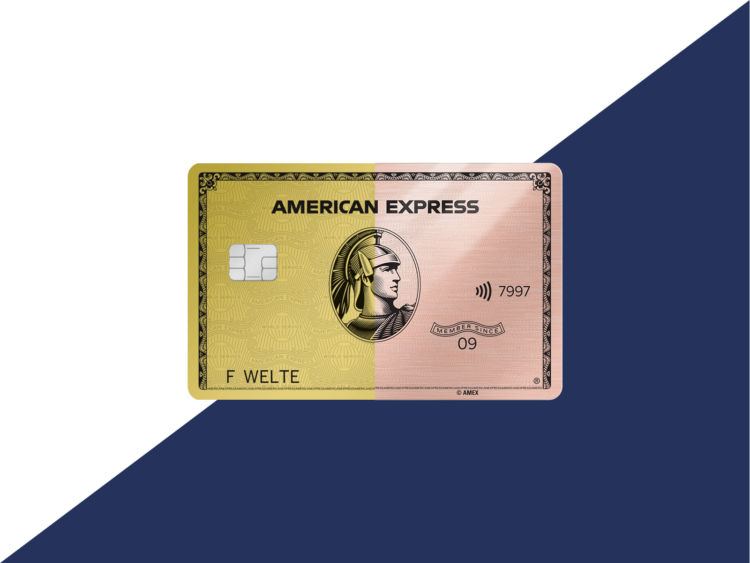
Premium cards like the American Express Gold (€240 annual fee) or Platinum (€720 annual fee) promise more: 1 Membership Rewards point per €1 spent, with bonuses that can reach 30,000 points. But here’s where Austrian financial reality intervenes.
The Kest Complication
Austria’s Kapitalertragssteuer (Kest) of 27.5% doesn’t just affect your investment income, it can turn your cashback into a taxable event. When Trade Republic offers 1% "Saveback" on its debit card, many users report that after Kest, the real return drops to 0.75%. Compare that to a free savings account with 3% interest, and the rewards proposition starts looking questionable.
The tax treatment depends on how rewards are structured. Points that can only be redeemed for goods (like Amazon points) typically escape Kest. Cashback that lands as actual money in your account? That’s income, and the Finanzamt will want its share. Many Austrian consumers don’t realize this until their tax advisor asks about "sonstige Einkünfte" from credit cards.
Free Cards: The Only Sensible Choice for Most
For the average Austrian spending €1,500 monthly on credit cards, the math is brutal. At 1% cashback, you’re earning €180 annually. A €240 annual fee for the Amex Gold immediately puts you €60 in the red before considering Kest.
The research shows three free cards that actually deliver value:
- Amazon Visa: 0.5% effective return, no annual fee, accepted everywhere Visa is. The limitation is Amazon-only redemption, but for most households, that’s not a real constraint.
- Payback American Express: 0.33% base return, but the ability to convert to Miles & More miles makes it valuable for Lufthansa frequent flyers. The card is free and American Express acceptance in Austria has improved dramatically, though you still can’t use it at Billa or Merkur.
- Trade Republic Debit: 1% Saveback that must be invested through their platform. The Kest issue applies, but for existing customers, it’s effortless additional return.
Premium Cards: When the Math Actually Works
Premium cards only make sense for a specific Austrian consumer profile: high spenders who can maximize category bonuses and travel benefits. The Amex Platinum’s €720 fee requires generating over €1,400 in annual value just to break even after accounting for Kest on cashback-equivalent benefits.
The Business Traveler Exception
If you fly 6+ times annually from Vienna, the value equation shifts. The Amex Platinum includes:
– €200 annual travel credit
– €200 Sixt Ride credit
– €150 restaurant credit
– €90 shopping credit
– Airport lounge access worth €25-50 per visit
That’s €640 in concrete annual value before considering the 30,000-point welcome bonus (worth €300-600 depending on redemption). For someone who would pay for lounge access anyway, the card pays for itself.
The Eurowings Premium card (€99 after first year free) offers 1 mile per €2 spent and travel insurance, making it sensible for Eurowings loyalists who check bags and need rental car coverage.
The Hidden Costs Austrian Consumers Miss
Beyond annual fees and Kest, three factors destroy rewards value:
- 1. Currency conversion fees: Many Austrian-issued cards charge 1.5-2% foreign transaction fees. That €3,000 summer trip to Italy costs an extra €45-60, wiping out years of cashback.
- 2. Interest rates: Premium cards often have APRs exceeding 20%. Carrying a balance for even one month eliminates a year’s rewards.
- 3. Opportunity cost: The €240 Amex Gold fee could buy a Wiener Linien Jahreskarte or fund a high-yield savings account at 3.5% interest.
Austrian-Specific Strategies
Based on spending patterns observed in the research, here are the only scenarios where premium cards work:
- For the Viennese Expat: If you travel home 4+ times yearly and value lounge access during Vienna Airport’s chaotic mornings, the Amex Platinum’s lounge benefit alone justifies the fee.
- For the Miles & More Devotee: The Payback Amex + Eurowings Premium combination lets you pool points into Miles & More faster than any single card, crucial for maintaining Frequent Traveller status.
- For the High-Spending Family: Households spending over €3,000 monthly can generate enough rewards to offset premium fees, but only if they pay in full monthly and avoid foreign transaction fees.
The Verdict: A Tiered Approach for Austrian Residents
Tier 1 (€0-1,500 monthly spend): Stick with Amazon Visa for purchases, Payback Amex where accepted, and a debit card with free foreign transactions (like N26 or Revolut) for travel.
Tier 2 (€1,500-3,000 monthly spend): Add the Payback Amex as primary card for its Miles & More transferability. Keep Amazon Visa as backup.
Tier 3 (€3,000+ monthly spend with frequent travel): Consider Amex Gold only if you can use the travel credits and will maximize the welcome bonus. The Platinum is for true road warriors who need lounge access and status benefits.
The research makes one thing clear: Austrian banks and card issuers have structured rewards to feel generous while delivering minimal real value. The average consumer is better off with a free card and investing the saved fees.
Final Calculation: The True Cost of Rewards
Let’s be blunt. If you spend €1,500 monthly:
– Best case with free cards: €90-120 annual rewards value
– Premium card scenario: €180 rewards – €240 fee = €60 loss, before Kest
The smartest Austrian financial move? Get a free card, set up automatic payments, and put the €240 you saved into a Sparbuch or ETF. That will build real wealth faster than any metallic credit card ever will.
The Verdict: A Tiered Approach for Austrian Residents
Tier 1 (€0-1,500 monthly spend): Stick with Amazon Visa for purchases, Payback Amex where accepted, and a debit card with free foreign transactions (like N26 or Revolut) for travel.
Tier 2 (€1,500-3,000 monthly spend): Add the Payback Amex as primary card for its Miles & More transferability. Keep Amazon Visa as backup.
Tier 3 (€3,000+ monthly spend with frequent travel): Consider Amex Gold only if you can use the travel credits and will maximize the welcome bonus. The Platinum is for true road warriors who need lounge access and status benefits.
The research makes one thing clear: Austrian banks and card issuers have structured rewards to feel generous while delivering minimal real value. The average consumer is better off with a free card and investing the saved fees.
Final Calculation: The True Cost of Rewards
Let’s be blunt. If you spend €1,500 monthly:
– Best case with free cards: €90-120 annual rewards value
– Premium card scenario: €180 rewards – €240 fee = €60 loss, before Kest
The smartest Austrian financial move? Get a free card, set up automatic payments, and put the €240 you saved into a Sparbuch or ETF. That will build real wealth faster than any metallic credit card ever will.