
Tesla’s European sales numbers read like a horror story for any automaker: a 39% plunge in November 2025, market share collapsing to 1.4% across the EU, and in Germany, a paltry 0.7% share. While the broader EV market grew 27.6% year-to-date, Tesla’s trajectory points sharply downward. The cause? Not just product missteps, but a political toxicity that European consumers, particularly Germans, are increasingly unwilling to stomach.
The Numbers Don’t Lie, But They Do Shock
The European Automobile Manufacturers Association (ACEA) reports that Tesla sold just 12,130 vehicles across the EU in November 2025, down from 18,430 in the same month last year. In Germany specifically, the damage is even more pronounced: only 1,763 Teslas found buyers in November, representing a mere 3% of the country’s electric vehicle market.
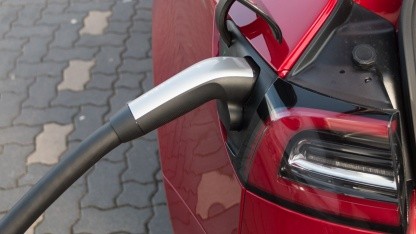
Meanwhile, the Chinese manufacturer BYD has surged in the opposite direction, posting a 200% increase in European sales with 16,158 vehicles sold in November. The VW Group now commands 40% of Europe’s electric vehicle market, having increased its November sales by 3.5% while Tesla hemorrhaged customers.
When Your CEO Becomes Your Biggest Liability
The sales collapse coincides with Elon Musk’s deepening political entanglements that European consumers find increasingly distasteful. His appearance at an AfD event in Germany, where he complained about “too much focus on past guilt”, struck a particularly raw nerve in a country where historical consciousness remains a cornerstone of political identity.
Many German Tesla buyers historically saw themselves as environmentally conscious pragmatists, not political ideologues. That demographic is evaporating. The overlap between people who buy electric vehicles for ideological reasons and those who support Musk’s political positions appears minimal. As one industry observer noted, when a company becomes completely associated with one person, that person’s baggage becomes the company’s baggage.
The political memory in Germany tends to be long. Musk’s alignment with figures and positions that many Europeans consider fringe or extremist has created a consumer boycott that shows no signs of fading. Car-sharing services in cities like Karlsruhe report that their Tesla vehicles remain the only ones consistently available, a clear sign that the typical car-sharing demographic, which skews urban and environmentally conscious, is actively avoiding the brand.
Product Problems Compound the Political Damage
Tesla’s product strategy isn’t helping. The recently introduced “Standard” Model 3, positioned as a more affordable option for the European market, landed with a thud. Consumers quickly realized they were getting significantly less equipment for nearly the same price as the previous model, €38,000 instead of the psychological barrier of €33,000 that would have made it competitive.
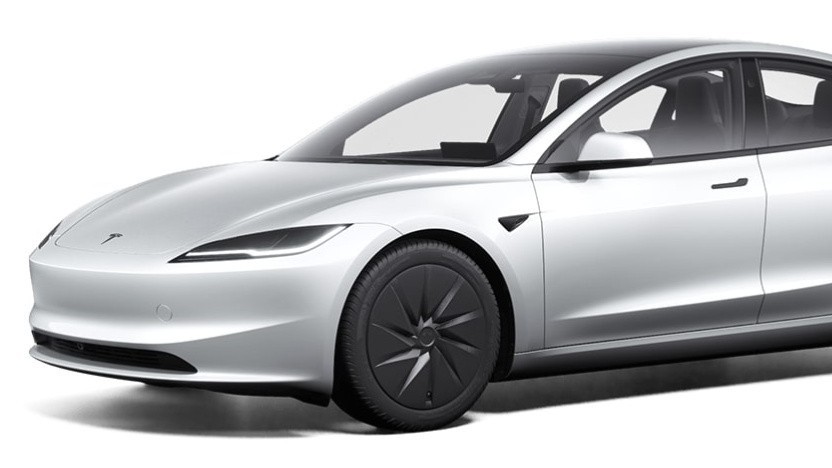
German buyers, known for expecting value and transparency, saw through what many called a “cash grab.” The timing particularly stung, arriving just as German EV subsidies were changing, making the effective price jump even more noticeable.
Beyond pricing, quality concerns plague Tesla’s German reputation. Stories circulate of catastrophic parts availability, one neighbor’s leased Model 3 waited three years for a replacement door after a parking lot accident. While Tesla fans defend the company’s mobile service and Supercharger network, the core German expectation of mechanical reliability remains unmet for many.
The German Market’s Unique Sensitivity
Germany represents Tesla’s core European problem. The country’s automotive culture runs deep, and buyers approach car purchases with engineer-like scrutiny. They notice when panel gaps vary, when service centers are understaffed, and when a CEO seems more interested in American political theater than European customer concerns.
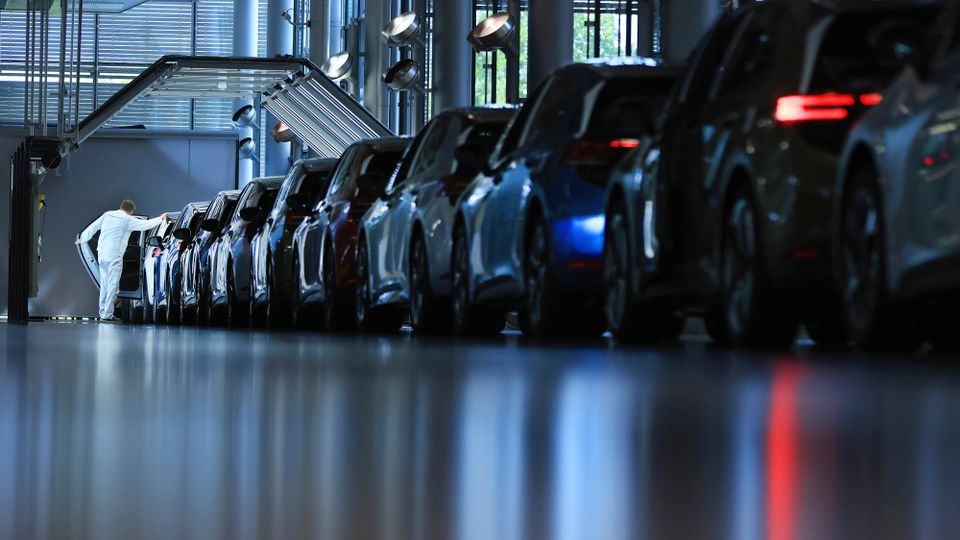
The VW Group’s dominance, selling 2.7 million vehicles in the first eleven months of 2025, up 5%, demonstrates that German consumers haven’t abandoned EVs. They’ve abandoned Tesla. The ID.3, ID.4, and upcoming ID. Polo (delayed but still anticipated) offer the German engineering mindset what it craves: predictable quality, established service networks, and corporate stability.
What This Means for Tesla Investors and European EV Buyers
For investors, the disconnect between Tesla’s stock price, still up 10% year-to-date despite operational headwinds, and its European sales collapse signals either market irrationality or a bet on future robotaxi potential that ignores current fundamentals. Analysts have slashed delivery forecasts for Q4 2025 to as low as 415,000 vehicles globally, yet simultaneously raised price targets, creating a dangerous speculative bubble.
For European consumers, particularly those in Germany navigating the EV transition, Tesla’s decline creates a clearer market. The competition, BYD, VW Group, Stellantis, BMW, is filling the vacuum with models tailored to European tastes: smaller footprints for narrow streets, hatchback practicality, and pricing that reflects local purchasing power rather than Silicon Valley hubris.
The Road Ahead: Can Tesla Recover?
Recovery would require more than just distancing from controversial politics, it would demand a fundamental reset in how Tesla approaches Europe. The company needs models designed for European cities, not American highways. It needs service infrastructure that matches German expectations. And it needs a corporate narrative that separates product from personality.
The political damage may already be permanent. In Germany, where corporate responsibility and political neutrality are valued, Musk’s transformation from visionary entrepreneur to polarizing political figure has likely closed the market for a generation of buyers. The question isn’t whether Tesla can recover its European market share, but whether it can stop the bleeding before it becomes irreversible.
For now, German car buyers are voting with their wallets, and they’re choosing almost anything but Tesla.
Bottom line: If you’re considering an EV in Germany, Tesla’s pricing adjustments and Supercharger network might tempt you, but the combination of political toxicity, quality concerns, and better alternatives from established German and emerging Chinese brands makes it a risky choice. The sales data proves that German consumers have already reached this conclusion.