
For mid- to high-income earners in Germany, the math seems almost absurd. Take a Skoda Elroq with a list price of €40,000. Under the 0.25%-Regelung for electric company cars, you’re taxed on just €100 per month as a monetary benefit. Add a 10-kilometer commute, and you’re looking at roughly €52 net out of your paycheck for a brand-new electric vehicle, including insurance, maintenance, and wear and tear.
That’s cheaper than the €63 monthly Deutschlandticket starting January 2026. Cheaper than leasing a used Golf. Potentially the cheapest way to drive a new car in Germany today.
But as with most things in German tax law, the devil lives in the footnotes.
The Subsidy That Looks Too Good to Be True
The 0.25% rule, properly called the 0,25-Prozent-Regelung, is a deliberate policy carrot. Since July 2025, the government extended the benefit to cover electric company cars with a gross list price (Bruttolistenpreis) up to €100,000, a significant jump from the previous €70,000 cap. For vehicles above that threshold, the standard 0.5% rule applies.
Here’s how the calculation actually works:
- 0.25% of list price = base monthly monetary benefit
- 0.03% per kilometer for your commute (one-way distance)
- Taxed at your personal income rate (typically 42% for the target demographic)
A €40,000 electric vehicle translates to €100 base + €24 for a 10km commute = €124 gross benefit. After taxes: roughly €52 net monthly cost to the employee. The employer covers everything else, leasing, insurance, maintenance, and often, charging.

The policy goal is transparent: create a secondary market for electric vehicles. Company fleets turn over faster than private ownership, and business leasing accounts for the majority of new vehicle registrations. By 2030, the EU wants 54% of new company cars to be emissions-free, rising to 95% by 2035. Germany’s generous tax treatment is the national implementation of that target.
The Hidden Cost Matrix
But the headline number masks several crucial variables that can swing the equation dramatically.
1. The Salary Trade-Off
Many employees don’t receive a company car in addition to their salary, it’s instead of higher compensation. As one analysis notes, you might be forgoing €10,000 gross annually in exchange for that €40,000 vehicle. Spread over a year, that’s €833 monthly gross you could have spent on a private vehicle, public transport, or simply saved.
The tax advantage only materializes if the company car is a genuine Zusatzleistung (additional benefit), not a salary conversion. During salary negotiations, this distinction becomes critical.
2. The Logbook Alternative
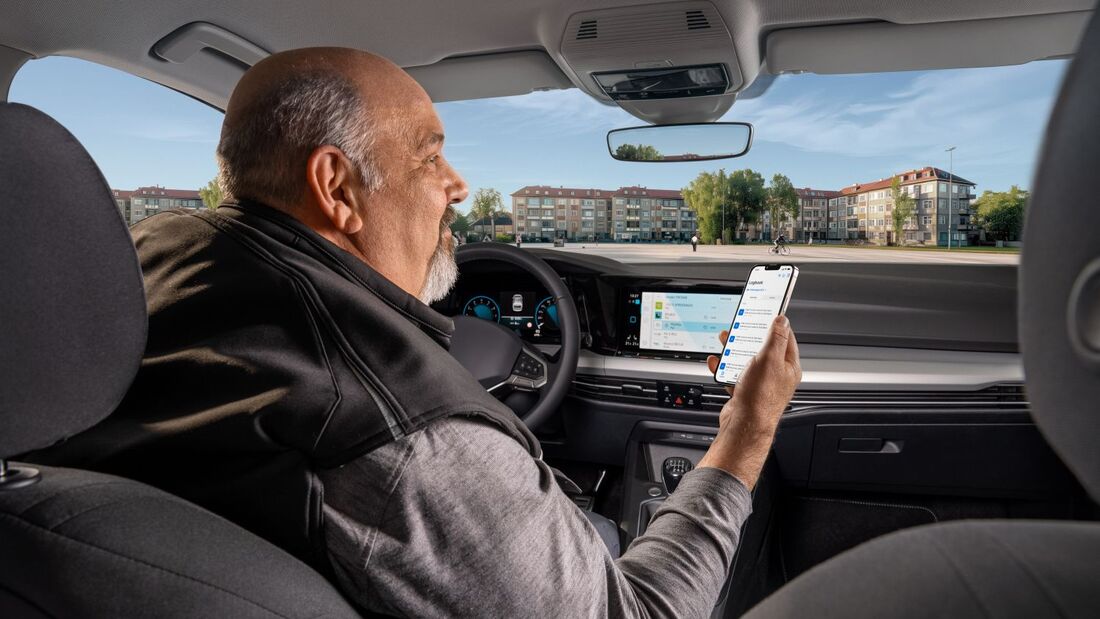
The 0.25% rule is a Pauschalversteuerung (flat-rate taxation). For many drivers, especially those with high business mileage, keeping a Fahrtenbuch (logbook) can be significantly cheaper.
According to data from fleet management provider Vimcar, approximately 940,000 company car drivers in Germany overpay taxes by using the flat-rate method. Switching to a logbook saves an average of €2,617 annually per vehicle. For a VW Passat Variant, savings can reach €2,254 per year, for an Audi A6 Avant, up to €3,045.
The logbook method taxes only actual private usage plus the commute, rather than a flat percentage of the vehicle’s value. If you drive 30,000 km annually for business and only 5,000 km privately, the tax basis collapses dramatically.

3. The Charging Question
Free workplace charging represents another ambiguous benefit. If your employer provides free electricity, tax authorities may classify this as a separate monetary advantage. However, current practice often treats it as part of the overall company car benefit, especially when charging infrastructure is considered a business necessity rather than a personal perk.
The tax treatment remains gray. Some tax advisors recommend declaring it separately, others bundle it. The difference could add €30-50 monthly to your taxable income.
4. The Commute Killer
The 0.03% per kilometer commute charge scales brutally. A 30-kilometer one-way commute adds €360 monthly to your gross benefit, €151 after tax. Suddenly your €52 bargain becomes a €200+ monthly commitment.
For employees with long commutes, the Deutschlandticket at €63 (rising from €58 in 2026) becomes economically attractive again, especially when combined with occasional car-sharing or rental.
The Political Football
The 0.25% rule is controversial precisely because it’s so generous. Critics label it a Dienstwagenprivileg that subsidizes wealthy employees while public transport struggles for funding. Defenders argue it’s a necessary incentive to electrify the vehicle fleet quickly.
The EU is watching closely. While Brussels won’t directly abolish Germany’s 1% or 0.25% rules, new regulations will require member states to align tax benefits with emissions goals. The draft EU directive suggests that by 2030, pure gasoline and diesel company cars should lose their tax advantages entirely.

This creates a timeline risk. If you sign a three-year company car lease in 2026, will the tax benefit still exist in 2028? The regulatory uncertainty adds a hidden cost that doesn’t appear in monthly payroll calculations.
The Real Cost Comparison
Let’s run the numbers for a typical mid-level manager in Munich:
Option A: Company Electric Car
– Skoda Elroq, €40,000 list price
– 15 km commute
– Net cost: ~€75/month after tax
– Includes insurance, maintenance, charging
– Total: €900/year
Option B: Private Leasing
– Same vehicle, private lease: ~€350/month
– Insurance: €80/month
– Maintenance: €40/month
– Charging: €60/month
– Total: €6,360/year
Option C: Deutschlandticket + Car-Sharing
– Deutschlandticket: €63/month (€756/year)
– Car-sharing for weekend trips: €100/month (€1,200/year)
– Total: €1,956/year
Option D: Used Car Ownership
– €15,000 used VW e-Golf
– Depreciation: €1,500/year
– Insurance: €600/year
– Maintenance: €400/year
– Charging: €600/year
– Total: €3,100/year
The company car wins, if you actually need a car full-time. For urban dwellers with good public transport, the mixed model often makes more sense.
The Bottom Line
The 0.25% rule is indeed one of the cheapest ways to drive a new electric car in Germany, but only under specific conditions:
✅ Short commute (under 15 km one-way)
✅ Car as additional benefit, not salary conversion
✅ High private mileage (to beat logbook savings)
✅ Job security (to avoid early termination penalties)
❌ Long commute (makes public transport cheaper)
❌ Low private usage (logbook method wins)
❌ Uncertain future (regulatory risk)
The hidden cost isn’t financial, it’s flexibility. You’re locked into one vehicle, one employer, one tax treatment for the contract term. The Deutschlandticket might cost slightly more, but it buys you freedom from all that.
For employers, the calculation is clearer: offering company cars helps attract talent, simplifies fleet management, and supports sustainability targets. The €2.47 billion in annual tax subsidies is effectively a transfer from general taxpayers to company car drivers and their employers.
Whether that’s fair depends on your perspective. But for now, if your employer offers an electric Dienstwagen with no strings attached, the answer is simple: take it. Just don’t forget to check your employment contract for the strings they didn’t mention.