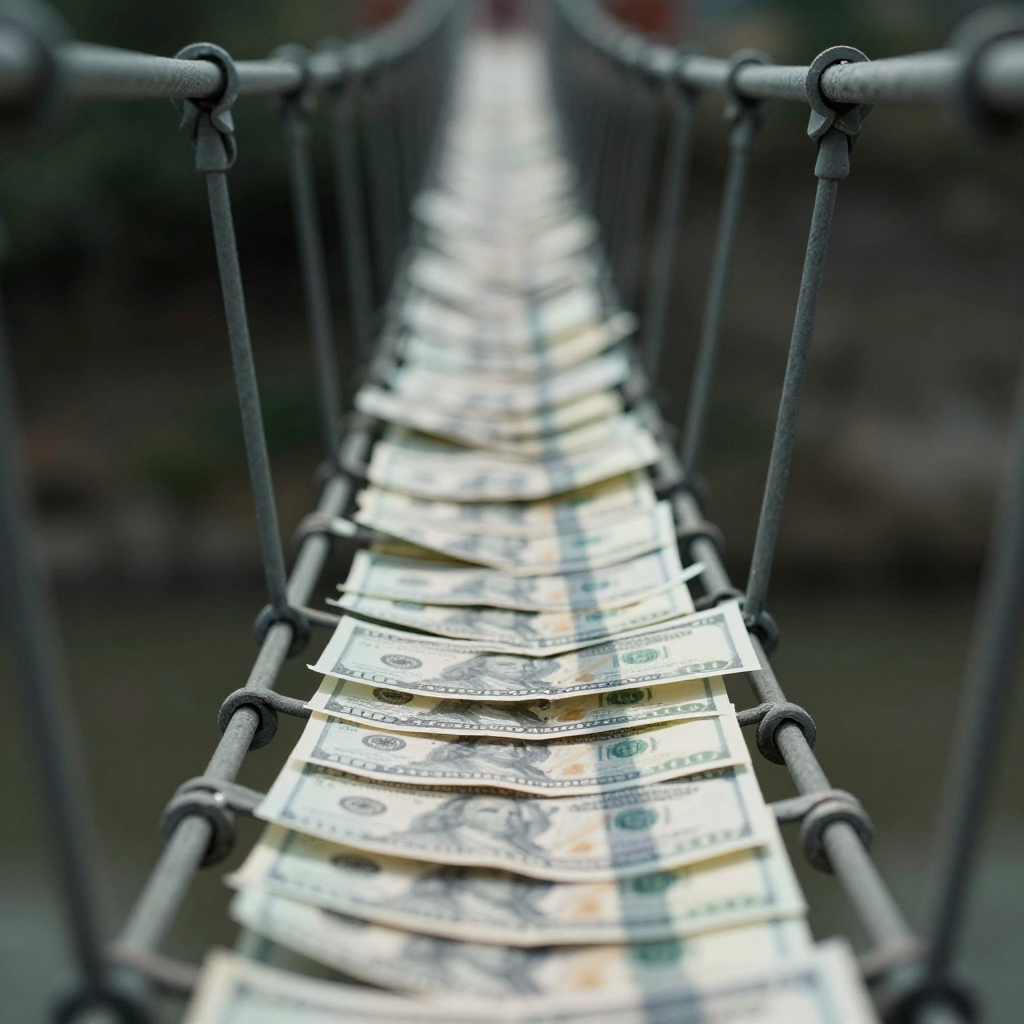
The FIRE Trap: Why Working Less Now Could Cost You More Than You Think
You’re 32, earning €61,500 a year, and stacking €1,500 to €2,000 monthly into your investment accounts. The spreadsheet says financial independence by 45. The burnout says you need a break yesterday. Welcome to the FIRE trap in Germany, where the math between working less now and retiring earlier later gets messy fast.
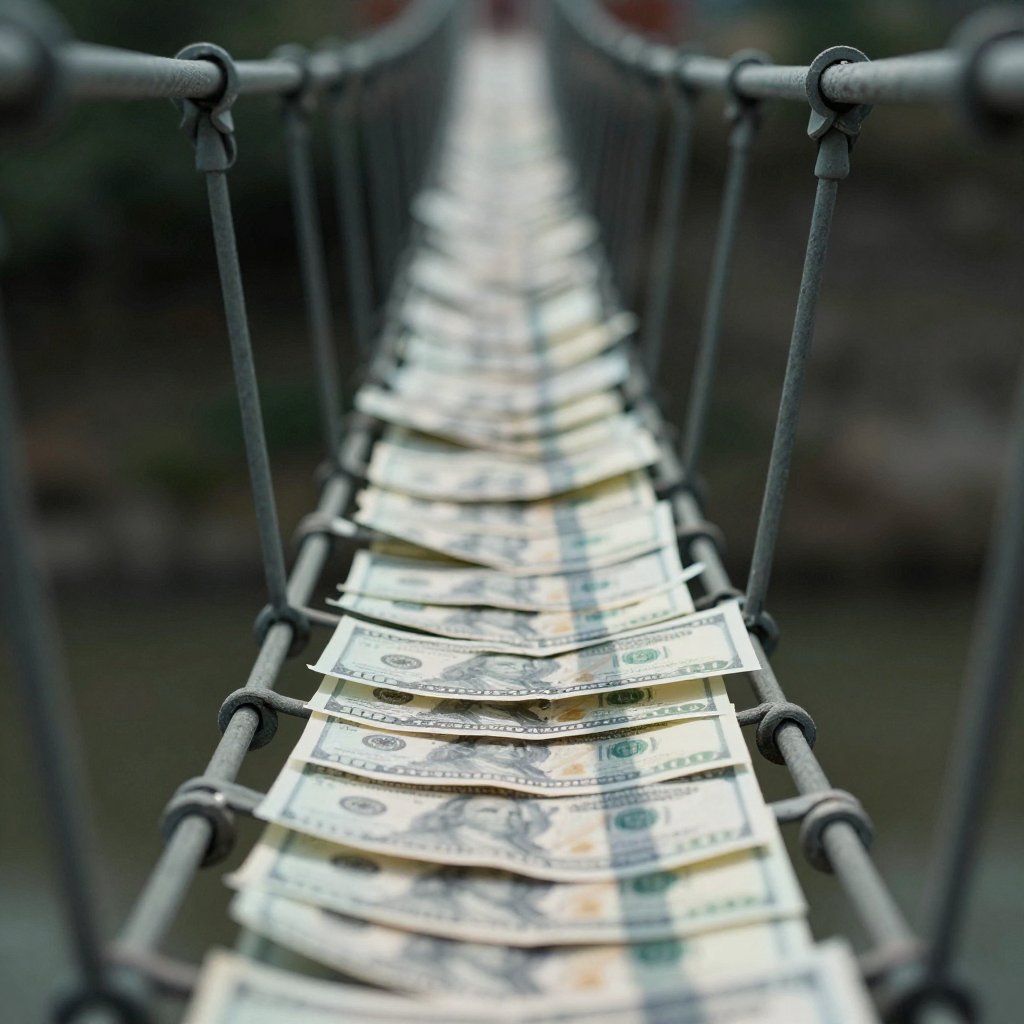
A recent discussion among German finance enthusiasts highlighted this exact dilemma: drop to 32 hours, lose €12,300 in annual income, and watch your savings rate crater from €18,000+ to maybe €6,000. The trade-off? One extra free day weekly to pursue music, plot a side hustle, or simply remember why you liked being alive before Excel owned your soul.
The Brückenteilzeit Temptation
Germany makes part-time work deceptively easy. The Brückenteilzeit (bridge part-time) model lets you reduce hours temporarily with a legal right to return to your original contract. Over 40% of German employees already work part-time, with many using this exact arrangement. It sounds perfect for the FIRE-minded: test-drive freedom, keep your career trajectory intact, maintain benefits.
But here’s where the trap snaps shut. That 20% reduction in hours doesn’t translate to a clean 20% reduction in net income. Thanks to Germany’s progressive tax system, someone dropping from €3,500 to €2,625 gross monthly (a 25% cut) only sees their net pay fall from €2,315 to €1,835, roughly 21%. The taxman takes less, which feels like a win.
The German tax system cushions part-time transitions, but your pension contributions take the full hit.
Your Rentenansprüche (pension claims), however, feel the full 25% reduction. Every year at reduced hours means fewer Rentenpunkte (pension points) accumulating. For someone planning early retirement, this creates a double-whammy: you’re saving less and you’ll need a larger private nest egg to compensate for a smaller state pension later.
The Compounding Cost of a Free Friday
Let’s run the numbers that keep FIRE aspirants awake at night. At €61,500 gross, you’re likely taking home around €3,100 monthly. Saving €1,500 leaves you with €1,600 for living expenses, tight but doable in many German cities outside Munich.
Drop to 32 hours at roughly €49,200 gross, and your net might land near €2,500. Suddenly that €1,500 savings target means living on €1,000 monthly. Or more realistically, you slash savings to €500-600 monthly to maintain your lifestyle. Over five years, that’s €60,000 less invested. At 7% returns, that missing €60,000 represents €118,000 less in your portfolio by age 45.
But the real damage is invisible: those lost pension points. A 32-year-old losing 25% of pension contributions for five years could see their projected state pension drop by €150-200 monthly in retirement. To compensate requires an extra €45,000-60,000 in private savings, assuming the 4% withdrawal rule.
This is where staying part-time might be your smartest financial move becomes a dangerous half-truth. The strategy works only if you’ve already front-loaded massive savings or have a partner’s full-time income cushioning the blow.
The Gender Gap Magnifies the Trap
German data reveals part-time work hits women disproportionately hard. Nearly half of women cite low income as the primary barrier to retirement savings, while 43% point to career breaks and part-time work. Only 9% of women save over €200 monthly for retirement, compared to 18% of men.
The Rentenlücke (pension gap) isn’t theoretical, it’s a documented crisis. Women who work part-time for family reasons often face a 16% lifetime earnings penalty that cascades into drastically reduced pensions. For FIRE enthusiasts, this serves as a warning: what starts as a temporary flexibility measure can become a permanent financial handicap.
The gender pension gap shows how part-time work creates lasting financial disadvantages.

The Psychological Math vs. Financial Math
Many who make the leap report the same revelation: three-day weekends change everything. You can finally tackle bureaucracy on Friday instead of sacrificing Saturday mornings to the Finanzamt (Tax Office) or Bürgeramt (Citizens’ Office). You gain mental space to build that side hustle properly, not as an exhausted afterthought.
One 32-hour convert described it as “buying the most valuable thing, time.” Another noted that after abandoning the dream of homeownership, reducing savings rate to enjoy life now felt logical. The prevailing sentiment: Freizeit (free time) is the ultimate luxury, and money is just the vehicle to acquire it.
This is the trap’s emotional core. FIRE promises freedom later, but burnout demands relief now. The spreadsheet can’t quantify waking up without an alarm on Friday, or having energy for creative projects after work.
When Part-Time Actually Works for FIRE
The math flips if you use that free day strategically. If your side hustle generates even €500-800 monthly within a year, you’ve offset most of the income loss while building an income stream that could persist into retirement. The extra time might let you negotiate a higher hourly rate in your main job, or finally launch that freelance consulting business.
The key is intentionality. Brückenteilzeit succeeds as a FIRE tool when it’s a bridge to something, not just a bridge away from burnout. Without a concrete plan for that extra day, whether skill development, entrepreneurship, or aggressive networking, you’re just trading future freedom for present comfort.
The Tax Trap No One Mentions
Here’s where capital gains tax implications in retirement intersect with part-time decisions. Germany’s Vorabpauschale (advance lump-sum tax) hits accumulating ETFs annually, even before you sell. A lower income during part-time years might keep you in a lower tax bracket, reducing this burden on your investments.
But this advantage evaporates if you return to full-time work later. Worse, the reduced savings during part-time years means you might need to work longer at peak earnings, potentially pushing you into higher tax brackets during your highest-income years before retirement.
Making the Decision: A Framework
Before requesting Brückenteilzeit, answer these questions honestly:
-
What’s your real savings rate? If you’re saving 40%+ of net income, you have cushion. At 20% or less, you’re cannibalizing your future.
-
Can you maintain your current lifestyle? If dropping to 32 hours forces you to cut savings rather than expenses, you’re not ready.
-
What’s the three-year plan? If that extra day doesn’t generate income or career advancement within 36 months, the opportunity cost is too high.
-
How solid is your pension projection? Use the Deutsche Rentenversicherung’s calculator to see exactly how part-time affects your Rentenpunkte. Most FIRE aspirants dramatically underestimate how much they’ll need to replace a reduced state pension.
-
Are you building or escaping? Part-time as a platform for a side hustle is strategic. Part-time as an escape hatch from a job you hate is just delaying a harder decision.
The Middle Path: Temporary Bridge vs. Permanent Slowdown
Consider negotiating Brückenteilzeit for a fixed period, six months to one year, with a mandatory review. This gives you freedom to experiment while maintaining pressure to make that time productive. Set clear metrics: if the side hustle hits €X monthly, or you complete Y certification, you can extend. If not, you return to full-time with a clearer head and intact finances.
Another approach: keep full-time hours but negotiate remote work or flexible scheduling. German labor law increasingly supports these arrangements, and they deliver 80% of the lifestyle benefits without the 25% pay cut.
The Verdict
The FIRE trap in Germany isn’t that part-time is bad, it’s that Brückenteilzeit feels de-risked when it’s anything but. The tax system cushions the blow to your net pay, but your pension and compounding curve absorb the full hit. For every year you work 32 hours instead of 40, you’re not just losing €12,000 in savings, you’re adding months, possibly years, to your mandatory working life.
Yet the alternative, grinding to 45 with no breathing room, carries its own risks. Burnout can derail your entire FIRE plan. The solution isn’t binary. It’s about treating part-time as a calculated risk, not a comfortable escape. Use it to build something that accelerates your timeline, not just to delay the inevitable.
Your future self won’t thank you for that extra free Friday if it means they’re still answering emails at 60. But they also won’t thank you for a fat portfolio if you’re too fried to enjoy it. The real FIRE hack? Make sure that part-time day pays dividends in either income or sanity, preferably both.