Your colleague’s MSCI World ETF just returned 8% last year. Nice. But your neighbor’s balcony solar setup? It’s printing 30% annual returns, tax-free, with zero volatility. The German government has noticed, and they’re quietly dismantling the subsidies that make this possible. This isn’t a drill. It’s a direct attack on the best-performing asset class German households have accessed in decades.
The Math That Makes Berlin Nervous
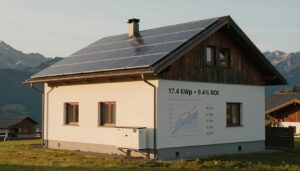
Let’s cut through the financial advisor jargon. A standard 10-kilowatt-peak (kWp) solar installation on a German roof costs around €14,000. Over 20 years, it generates roughly 200,000 kWh of electricity. With current electricity prices at €0.30 per kWh and the Einspeisevergütung (feed-in tariff) paying €0.0778 per kWh for excess power, the system saves and earns approximately €1,200 annually. That’s a 8.6% return before accounting for the fact that self-consumed electricity avoids the full retail price, pushing effective returns toward 12-15%.
Compare this to the top-performing ETFs in Germany. The best performers delivered 148% over five years, roughly 20% annually, but with stomach-churning drawdowns and volatility that keeps German investors up at night. The average Aktien-ETF (stock ETF) investor saw far more modest gains, and that’s before the Kapitalertragssteuer (capital gains tax) takes its bite.
The real kicker? Solar returns are essentially guaranteed. The sun rises. The panels degrade at 0.5% annually. Your only risk is the roof collapsing, and that’s what insurance is for. Meanwhile, your ETF rides on whether American tech stocks can maintain their AI hype cycle.
The 2027 Subsidy Cliff: Why the Party Is Ending
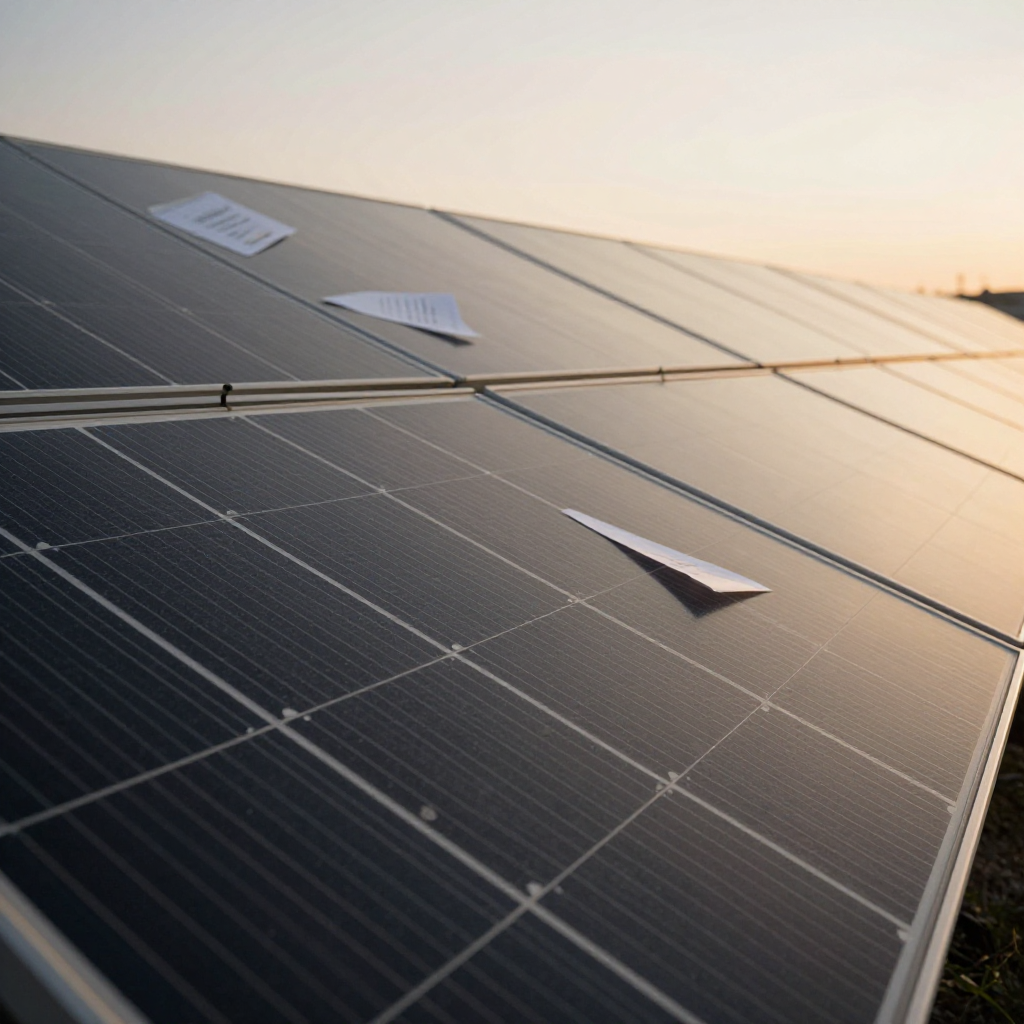
Here’s where it gets controversial. The Bundeswirtschaftsministerium (Federal Ministry for Economic Affairs) has drafted legislation to abolish the Einspeisevergütung for new installations under 25 kWp starting January 2027. Their logic: solar is now cheap enough to survive without subsidies.
This is technically true but economically dishonest. The proposed replacement, Direktvermarktung (direct marketing), requires homeowners to become day-traders of electricity, selling power on spot markets through complex platforms. The infrastructure doesn’t exist for small producers, and the transaction costs would devour profits.
Energy economist Lucas Flügel from the Bundesverband des Solarhandwerks puts it bluntly: “From the solar industry’s perspective, the feed-in tariff is outdated.”
Lucas Flügel
But he admits the alternatives only work with “structured and unbureaucratic solutions”, German code for “this will take years and cost you dearly.”
The consequence? If you’re considering solar, 2026 is your last chance to lock in 20 years of guaranteed payments. Wait until 2027, and you’re betting on a market that doesn’t yet exist.
Balkonkraftwerk: The 30% ROI That Fund Managers Hate
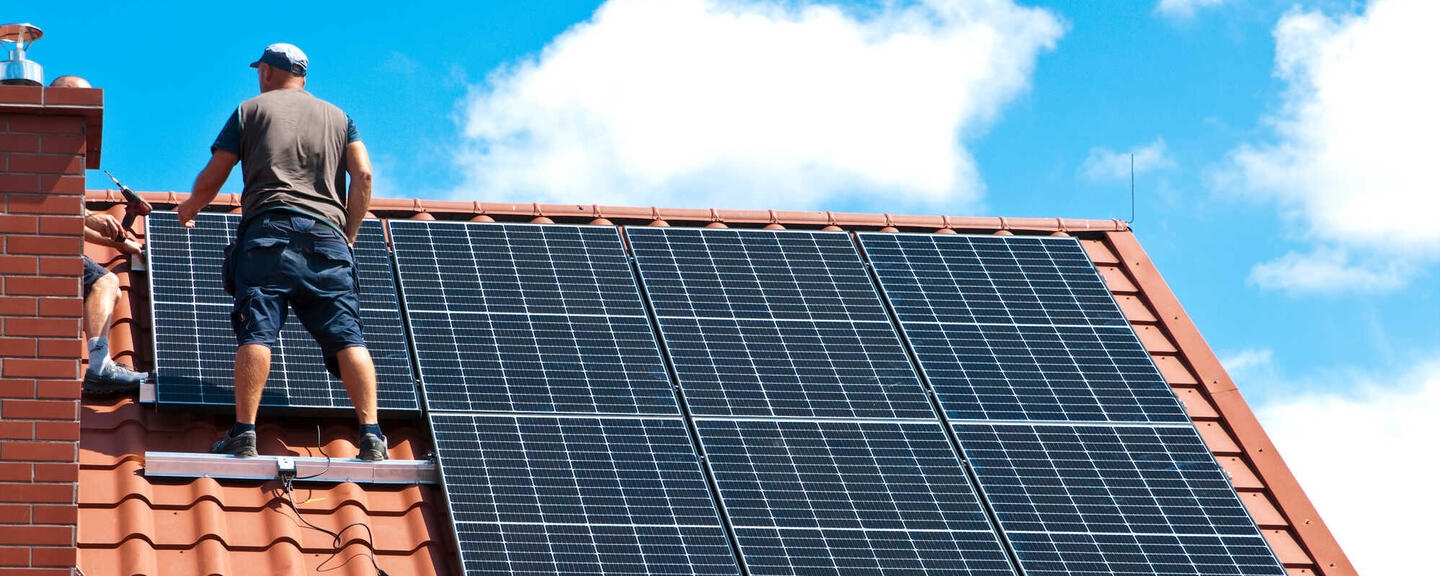
While policymakers debate rooftop systems, clever Germans are exploiting a loophole: the Balkonkraftwerk (balcony power plant). These plug-and-play systems under 2 kWp cost as little as €800-1,000 fully installed. A typical setup with 800W of panels and a 1.6 kWh battery generates about 900 kWh annually. With 70% self-consumption at €0.30/kWh, that’s €189 in savings. That’s a 19-24% return in year one.
But here’s the spicy part: some DIY enthusiasts report hitting 30% returns by optimizing consumption patterns. One configuration mentioned in German energy forums uses four panels (1,780W total) with an east-west split, capturing morning and afternoon sun while avoiding midday peaks. Combined with a €387 battery storage unit, the system delivers 80% self-consumption, pushing returns even higher.
Your MSC World-ETF can’t touch this. And unlike stocks, the Balkonkraftwerk isn’t subject to market crashes. The only risk is your landlord complaining, and even that is legally murky under German tenant protection laws.
Home Improvements: The Silent Wealth Multiplier
Solar panels are just the beginning. German property owners are waking up to the fact that energetische Sanierung (energy-efficient renovation) delivers compound returns that stocks can’t match.
Cost Breakdown
A €15,000 investment in insulation, windows, and a modern heating system typically reduces energy costs by €1,500 annually—an immediate 10% return.
Valuation Impact
A Gutachten (professional appraisal) typically values energy-efficient homes 8-12% higher. On a €400,000 property, that’s €32,000-48,000 in additional value.
Compare this to keeping that €15,000 in an ETF. Even at 8% annual returns, you’re looking at €1,200 in paper gains that could evaporate in the next market correction. The insulation, meanwhile, keeps saving you money through every market cycle.
The KfW Förderung (KfW promotional loan) program sweetens the deal further, offering subsidized loans at 0.75% interest for energy renovations. This is essentially free money from the state, something the Finanzamt (tax office) will never offer for stock investments.
The Tax Angle: Why Berlin Favors Bricks Over Brokers
German tax law quietly discriminates against financial assets while favoring tangible property. You can’t deduct your Depotgebühren (depot fees) or stock trading costs from income tax. But Handwerkerkosten (craftsman costs) for home improvements? Deductible up to €1,200 annually. Energetische Sanierungsmaßnahmen (energy renovation measures)? Eligible for additional tax credits.
When you sell stocks after holding them for less than a year, the Finanzamt takes 25% of your gains plus solidarity surcharge. Sell a property after ten years? Tax-free. The system is designed to reward long-term tangible asset investment while punishing short-term financial speculation.
This creates a bizarre paradox: Germans are culturally risk-averse and distrust stocks (the “Aktien = Casino” mindset), yet they’re sitting on billions in low-yield savings accounts while government policy practically begs them to invest in their homes.
Risk Reality: Volatility vs. Vandalism
Stock enthusiasts argue that solar panels are illiquid and vulnerable to physical risks. True, but let’s quantify this. The probability of a catastrophic roof failure is under 0.1% annually. The probability of a 20% stock market correction in any given year? Roughly 30% based on historical data.
Solar panels come with 25-year performance warranties. Your ETF’s returns come with zero warranty, just a disclaimer that “past performance doesn’t guarantee future results.”