Swiss investors have a cozy illusion about CHF-denominated ETFs. They see "CHF" in the ticker and breathe easy, convinced they’ve neutralized the dollar’s wild mood swings. The reality? That currency risk never left, it just put on a different coat.
The core dilemma plaguing Switzerland-based investors is simple: buying an S&P 500 ETF in CHF feels like protection, but the underlying assets still generate USD revenue. When the dollar drops 10% against the franc, your ETF’s value drops with it, regardless of the currency label on your brokerage statement.
The Denomination Myth
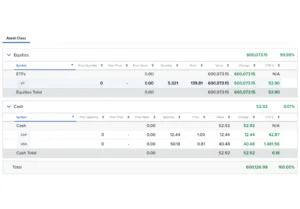
Here’s what actually happens. You invest CHF 10,000 in a CHF-denominated S&P 500 ETF. The fund provider immediately converts your francs to dollars, buys the underlying US stocks, and then displays your holdings in CHF using current exchange rates. If the S&P 500 rises 10% but USD/CHF falls 10%, your portfolio shows zero gain in franc terms. The ETF structure didn’t protect you, the price adjustment merely reflected the currency move in real-time.
Many investors discover this when checking their portfolio values. One week it’s up CHF 20,000, the next, it’s down CHF 10,000, with no change in the actual stock holdings. This volatility isn’t a bug, it’s the market accurately pricing your true exposure.
The Hedged Alternative: Protection at a Price
CHF-hedged S&P 500 ETFs exist precisely for this scenario. They use currency forwards to strip out USD/CHF fluctuations, leaving you with pure equity performance. Sounds perfect, until you see the cost.
Hedging via CHF/USD futures runs about 3-3.5% annually, based on current interest rate differentials. That means if the S&P 500 returns 8% in a year, your hedged ETF might only deliver 4.5-5% after hedging costs. Over a decade, that drag compounds into serious money.
The decision becomes a bet: will USD/CHF fall more than 3-3.5% this year? If yes, hedging pays off. If no, you’re better off bearing the currency risk. Some investors try to time this, converting CHF to USD when rates seem favorable, but that’s market timing dressed up as currency strategy.
Natural Hedging in the S&P 500
Here’s a twist: the S&P 500 isn’t purely American. Many constituent companies, Apple, Microsoft, Coca-Cola, generate significant revenue abroad. When USD weakens, their foreign earnings translate to more dollars, boosting stock prices. This creates a natural, partial hedge.
Historical data shows USD/CHF declines often correlate with S&P 500 outperformance for Swiss investors. The currency loss gets partially offset by equity gains. It’s not perfect, but it’s not zero protection either.
The Psychology of Currency Pain
Swiss investors feel currency risk more acutely because they think, earn, and spend in CHF. A portfolio drop measured in francs triggers immediate emotional responses, even if the underlying assets are sound. This psychological factor drives many toward hedged products despite the cost.
The truth is stark: if you plan to spend your investment returns in Switzerland, currency risk is real and unavoidable. The only question is how you pay for managing it, through explicit hedging costs or through volatility that might test your patience during dollar downturns.
Actionable Strategies for Swiss Investors
For long-term retirement accounts (Säule 3a): Consider whether paying 3.3% annually for hedging makes sense over decades. The costs and trade-offs of currency hedging in long-term portfolios often favor unhedged exposure, letting natural hedging and time smooth out currency swings.
For taxable brokerage accounts: If you can’t stomach 10% swings from currency moves, a hedged ETF might be worth the cost. Just recognize you’re paying for peace of mind, not performance.
For opportunistic investors: Some convert CHF to USD when the rate hits what they consider "good" levels (like 1.10 or better). This is active currency speculation, not investing. The Swiss investor reactions to USD/CHF volatility show this rarely works consistently.
For the purists: If you want zero currency risk, buy Swiss companies. But that introduces concentration risk and misses global diversification. As many investors note, buying Microsoft in CHF is still Microsoft, it won’t outperform the USD version.
The Bottom Line
CHF-denominated S&P 500 ETFs are convenience products, not currency solutions. They spare you conversion fees on purchase but leave you fully exposed to USD/CHF moves. Hedged versions offer true protection but at a 3-3.5% annual cost that compounds relentlessly.
The controversial truth? For most Swiss investors, the unhedged CHF ETF is fine, just stop expecting it to do something it can’t. Your currency risk lives in the underlying assets, not the ticker symbol. Either accept the volatility, pay for hedging, or accept that Swiss skepticism toward US equity exposure and currency risk might have a point.
The market doesn’t care what currency your ETF is priced in. It only cares about the cash flows those 500 companies generate, and those flows are greenbacked, all the way down.