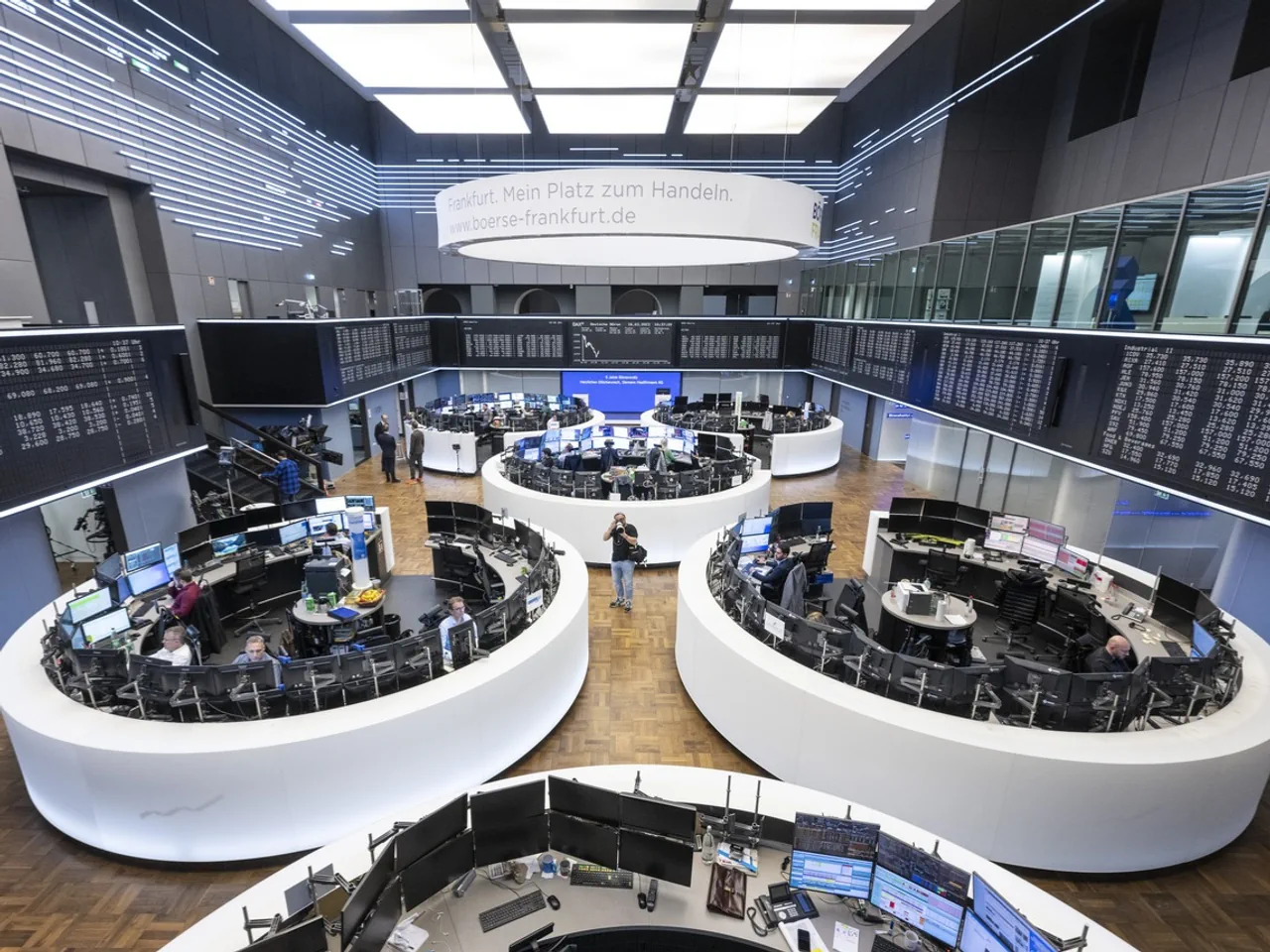
Switzerland’s equity markets delivered a statistical uppercut to conventional wisdom in 2025, ranking fourth globally in performance and leaving the US market eating Alpine dust. The narrative writes itself: a small, supposedly overpriced market punching above its weight, vindicating every Swiss financial advisor who ever championed Heimat bias. But before you liquidate your Vanguard Total World ETF and go all-in on Nestlé and Roche, let’s dissect what actually happened, and why those headline numbers are about as straightforward as a Basel pharmaceutical patent.
The Numbers That Launched a Thousand LinkedIn Posts
The Swiss Performance Index (SPI) gained 17.8% in 2025, while a curated basket of Swiss equity favorites returned an eye-watering 22.8% according to cash.ch’s insider tracker. The SMI itself posted 14.5% gains, adding CHF 260 billion in market value. Seven global markets outperformed the US, with Switzerland nestled comfortably in that elite group. For context, the DAX led European indices with 21.94% returns in CHF terms, while US benchmarks lagged despite their relentless march to new nominal highs.
The performance shattered expectations, particularly after April’s tariff-induced panic sent markets tumbling. Yet the rebound was ferocious, Swiss blue-chips not only recovered but accelerated, with UBS gaining 32%, Roche climbing 28%, and Novartis adding 24%. Even Holcim, a cement company in an era of tech worship, delivered a staggering 75% return after spinning off its Americas business.
But here’s where the story gets its distinctive Swiss twist.
The Currency Mirage: Why Your Bank Statement Tells a Different Story
That 22.8% figure? It’s measured in Swiss Francs. The global comparison chart that sparked this entire conversation was denominated in USD. And therein lies the controversy that makes financial advisors reach for their Schnaps.
The Swiss Franc appreciated roughly 10% against the USD in 2025. This means two things:
- For Swiss investors, US holdings lost value in CHF terms despite rising in USD
- For the rest of the world, Swiss stocks looked even better because they were riding both equity gains and currency appreciation
As one Zurich-based investor noted, the SMI grew about 12% in CHF terms, solid but hardly earth-shattering. The “outperformance” was partially a mathematical illusion created by currency conversion. It’s like measuring your height in centimeters versus feet, you’re the same person, but one number sounds more impressive.
This currency effect cuts both ways. While Swiss investors saw their domestic holdings shine, their supposedly diversified global portfolios, heavy on USD-denominated assets, underperformed in CHF terms. The strong Franc acted as a natural hedge and performance booster simultaneously, a phenomenon that makes the home bias debate considerably more nuanced than the “VT and chill” crowd would have you believe.
The Concentration Conundrum: Three Companies, One Economy
Swiss market cheerleaders conveniently ignore a fundamental vulnerability: the SMI is essentially a three-company story. Roche, Novartis, and Nestlé dominate the index, creating concentration risk that would make a risk manager weep. When these three move, Switzerland moves.
2025 happened to be a perfect storm for this troika. Pharma giants benefited from pipeline optimism and USD revenue streams that became more valuable in CHF terms. UBS’s 32% surge reflected successful Credit Suisse integration and rising interest margins. The concentration that critics decry as reckless became the very engine of outperformance.
But this raises an uncomfortable question: was this skill or circumstance? The cash.ch insider notes that many professional fund managers were chronically underweight in these exact names, “caught offside” by the rally. If the experts can’t predict when their home market’s heavyweights will surge, what hope does the average Pensionskasse member have?
US Market: The AI Bubble vs. Swiss Steady-Eddies
The US market’s performance was essentially a single-story narrative: the Magnificent Seven and AI mania. Remove those names, and the broader market was practically flat. This concentration risk is different in character but no less real than Switzerland’s pharma dependency.
Swiss companies, by contrast, delivered growth across more traditional sectors, pharma, banking, industrials, even cement. The performance was less about riding a speculative wave and more about operational execution, currency tailwinds, and strategic corporate actions. When the AI bubble eventually deflates (and all bubbles do), Switzerland’s “boring” business model might suddenly look prescient.
The Home Bias Reckoning
For years, Swiss financial advisors have faced criticism for overweighting domestic equities. The chorus of “global diversification” has been deafening, with the US typically comprising 60% of recommended portfolios. 2025’s numbers provide ammunition for the home team, but it’s dangerous ammunition.
The counterargument remains powerful: one year doesn’t make a trend. Swiss equities have underperformed global markets for most of the past decade. The 2025 surge could be statistical reversion, currency luck, or temporary sector rotation. As the cash.ch insider warns, “trends often last longer than expected, but the situation may be more vulnerable than assumed.”
Moreover, the Swiss market’s small size means limited diversification within the country itself. While the US can absorb a tech bubble bursting and still have dozens of other sectors to fall back on, Switzerland’s fortunes remain tightly coupled to global pharma demand and banking stability.
What Should Swiss Investors Actually Do?
Let’s cut through the noise with practical Swiss pragmatism:
1. Currency-Adjust Your Expectations
Stop comparing USD returns to CHF returns without adjusting for exchange rates. It’s financial apples and oranges. If you’re spending in Francs, Francs are what matter. A 12% CHF gain with lower volatility might serve you better than a 20% USD gain that evaporates on conversion.
2. Question the 60% US Allocation
The standard “VT and chill” portfolio assumes US economic exceptionalism will continue indefinitely. Switzerland’s 2025 performance suggests this assumption deserves scrutiny. Consider trimming US exposure to 40-50% and reallocating to European and Swiss indices, especially if you’re spending in CHF.
3. Use Pillar 3a Strategically
The Säule 3a is perfectly suited for overweighting Swiss equities. The tax advantages offset some concentration risk, and the long lock-up period aligns with the buy-and-hold nature of domestic blue-chips. Many 3a providers now offer low-cost Swiss equity ETFs with TERs below 0.15%.
4. Beware the “This Time It’s Different” Trap
Swiss outperformance coincided with CHF strength and a unique pharma cycle. These factors are cyclical, not permanent. Maintain global exposure as your portfolio core, but consider a 10-15% Swiss overweight as a tactical position rather than a strategic religion.
The Bottom Line: A Swiss Lesson in Humility
Switzerland’s 2025 market performance is simultaneously impressive and misleading. It validates neither the home bias zealots nor the global diversification puritans. Instead, it demonstrates that currency matters, concentration cuts both ways, and that even the most “boring” markets can surprise you when the stars align.
The real takeaway for Swiss investors isn’t to abandon global diversification, it’s to recognize that diversification means different things when you live in a currency fortress like the CHF. Your domestic market isn’t just another sector, it’s a natural hedge against the very currency fluctuations that can torpedo foreign holdings.
The SMI won’t deliver 22% returns every year. But in a world where the US market is increasingly a tech speculation vehicle, Switzerland’s old-school approach, world-class companies, stable currency, strategic corporate actions, might be the diversification your portfolio actually needs.
Just don’t expect your US-centric financial advisor to admit it. Some truths are best discovered while checking your Pensionskasse statement over a Kaffee in Zurich.
For deeper analysis, explore the cash.ch insider tracker and compare performance across currencies using the moneyland.ch broker comparison.