The Goldvreneli sits in a peculiar blind spot of Swiss finance. These petite 20-franc gold coins, minted between 1897 and 1949, have become synonymous with generational wealth transfer in Switzerland. Grandparents give them to grandchildren at Christmas. Parents stash them away for “a rainy day.” They feel substantial, historical, safe. But feeling safe and being a sound investment are two different currencies entirely.
The Nostalgia Premium Is Real (And Painful)
Walk into any Kantonalbank in November and you’ll find Goldvrenelis prominently displayed in velvet-lined cases. The message is clear: This is Swiss gold. This is security. What they don’t advertise is the spread that would make a forex trader weep.
In November 2021, a Goldvreneli sold for 302.50 CHF. Today, that same coin trades around 643.50 CHF. That’s a 112.7% increase, 20.1% annualized, sounding impressive until you realize most of that gain came from the underlying gold price, not the coin’s collectible value. The spot price of gold itself rose roughly 45% in that period. The rest? A combination of heightened demand and dealer margins.
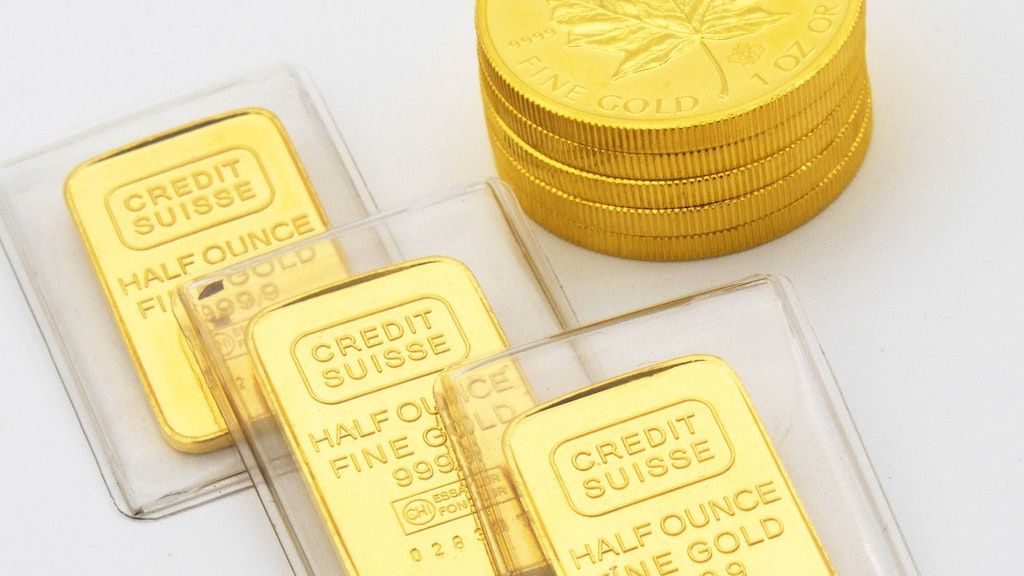
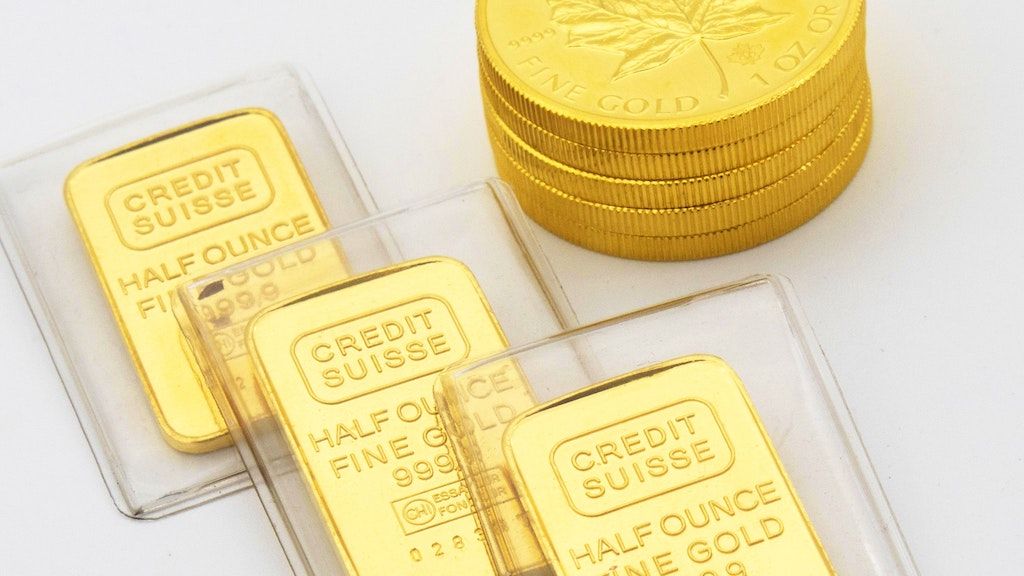
The problem is the premium. A Goldvreneli contains 5.806 grams of 90% pure gold, about 0.1867 troy ounces. At current gold prices, the melt value sits around 540 CHF. You’re paying a 15-20% premium for the privilege of owning a historical artifact. Compare that to a 1-ounce Maple Leaf (99.99% pure) which typically carries a 3-5% premium over spot.

Purity Matters When You’re Paying By The Gram
One commenter in Swiss finance circles correctly pointed out a critical detail: Goldvrenelis are 22-karat (90% gold). Krugerrands are 22-karat (91.7%). Maple Leafs and most modern bullion coins are 24-karat (99.9%+). When you’re paying premiums on top of spot, purity becomes a mathematical weapon against your returns.
That 10% non-gold content in a Vreneli? It’s copper and silver, industrial metals that don’t track gold’s safe-haven behavior. In a crisis scenario where you’re liquidating, buyers pay for gold content, not historical charm. The numismatic premium evaporates faster than Zürich fog in July.
The ETF Execution: Why Paper Gold Outmaneuvers Coins
Modern gold ETCs (Exchange Traded Commodities) in Switzerland and Germany have turned physical gold into a liquid, low-cost instrument. Products like Xetra-Gold or iShares Physical Gold track spot prices with expense ratios below 0.25%. You can buy or sell 10,000 CHF worth in seconds during market hours, pay no spread beyond the broker commission, and skip the security concerns of storing physical metal.
More importantly: tax efficiency. In Switzerland, physical gold is VAT-exempt but capital gains on collectibles can face scrutiny. Gold ETCs held in a standard brokerage account benefit from clear tax treatment. The Steueramt knows exactly how to handle them. With Vrenelis, you’re navigating murkier waters, are you a collector or investor? The distinction matters when the tax bill arrives.
Liquidity: The Kantonalbank Bottleneck
Swiss residents can purchase up to 15,000 CHF in gold anonymously, a quirky rule that fuels the Vreneli market. But selling is another story. Your local Kantonalbank might buy them back, but at their price, on their timeline. Many banks temporarily run out of stock during peak gift seasons, which tells you everything about supply chain fragility.
Try selling a collection of 50 Vrenelis quickly. You’ll discover:
– Dealers bid 5-8% below spot (they need their margin)
– Private buyers haggle over condition and authenticity
– Auction houses charge 15-20% commission
– Online platforms expose you to fraud risks
An ETF liquidation takes one trading day. A Vreneli liquidation can take weeks and cost you 10% in friction.
When Vrenelis Actually Make Sense
Despite the financial drag, two scenarios justify holding these coins:
1. You’re optimizing for catastrophe. As one Swiss investor argued, physical gold in your possession can’t be frozen by a failing bank or locked in a brokerage during systemic collapse. If you’re building a “Mad Max” hedge against complete financial system failure, Vrenelis beat paper gold, assuming you can protect them. But for this purpose, modern bullion coins or bars with higher purity and lower premiums work better.
2. You’re gifting strategically. The emotional value of a Goldvreneli given to a child who learns to appreciate gold’s permanence? That’s intangible but real. The coin becomes a teaching tool, a physical anchor for financial literacy. Just don’t pretend it’s optimal investing.
The Verdict: Asset or Novelty?
Vrenelis are expensive souvenirs with investment pretensions. They belong in the same category as Swiss watch collections or vintage stamps: lovely cultural artifacts that preserve wealth poorly.
If you already own them, keep them for sentimental value or gift them to the next generation with honest caveats. If you’re buying gold as a portfolio allocation, purchase low-premium bullion from Swiss refiners like Argor-Heraeus or stick to physical gold ETCs in your brokerage account.
The Swiss financial system excels at many things. Selling overpriced nostalgia to patriotic investors is one of them. Your portfolio deserves better than a Christmas ornament priced like an investment-grade asset.
Bottom line: The Goldvreneli is a beautiful lie we tell ourselves about the simplicity of wealth. In 2025’s efficient markets, that lie costs you 15% upfront and countless basis points in drag. Sometimes the most Swiss thing you can do is reject sentimentality and follow the math.