If you’re a German homeowner considering a heat pump, you’ve probably heard the same tired warnings: “Too expensive for old buildings”, “Your electricity bill will skyrocket”, or the classic “Just stick with gas.” The reality? These aren’t facts, they’re sales tactics from an industry that makes higher margins on fossil fuel systems and has zero incentive to learn new technology.
The truth about heat pumps in Germany is simultaneously better and worse than you’ve been told. Better because the technology absolutely works in older homes. Worse because the market is structured to make you overpay, sometimes by tens of thousands of euros.
The 30,000 Euro Question: Why German Prices Are Out of Control
Let’s start with the numbers that make everyone flinch. The Verbraucherzentrale Baden-Württemberg recently analyzed dozens of heat pump offers, finding prices ranging from 29,000 to 62,000 euros installed. Meanwhile, a study by RWTH Aachen revealed that British homeowners pay less than half what Germans do for comparable systems.
Why the massive difference? German installers will tell you it’s about higher technical standards, noise regulations, and labor costs. That’s partially true. The Aachen study notes that German systems often require split installations (outdoor and indoor units) versus monoblock units in the UK, and our stricter noise protection adds expense. But here’s what they won’t say: the subsidy system itself creates perverse incentives.
Germany’s BAFA subsidies cover 50-70% of costs, but they’re percentage-based. As the EnBW utility company bluntly states, “The more expensive the system, the higher the subsidy, this can create incentives for inflated prices.” Installers know exactly how to price jobs to maximize both your subsidy and their profit margin. One homeowner reported calling ten firms before finding one willing to install a heat pump at all, the others tried upselling gas or even oil, claiming CO₂ was “invented to sell heat pumps.”
The result? A market where the average installation costs 30,100 euros according to the Institut für Wohnen und Umwelt (IWU), but savvy homeowners are getting it done for under 20,000, including subsidy.
The 1989 House That Proves Everyone Wrong
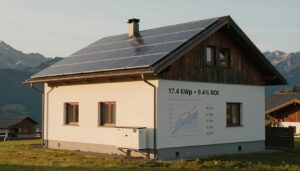
Consider the case of a homeowner with a 1989 house in northern Germany. Standard insulation, standard radiators, previously heated with gas. After his system failed, he faced the typical contractor chorus: “You need new radiators”, “You’ll require a backup heater”, “Floor heating is mandatory.”
He ignored them. His installed air-source heat pump cost under 20,000 euros after subsidies (around 30,000 before). Five years later, he’s paid it off through energy savings alone and is now heating for less than half his previous gas costs. No new radiators. No backup heater, though one is installed for emergencies, it hasn’t run once. The house value has increased substantially.
This isn’t exceptional. It’s typical, if you avoid the profit-maximizing middlemen.
The Real Math: Why “Expensive” Electricity Doesn’t Matter
Horror stories about 400 euro monthly electricity bills with heat pumps circulate constantly. Every single one traces back to one cause: outrageously expensive electricity contracts. The homeowner above switched to a modern electricity tariff and saw his heating costs plummet further in 2026.
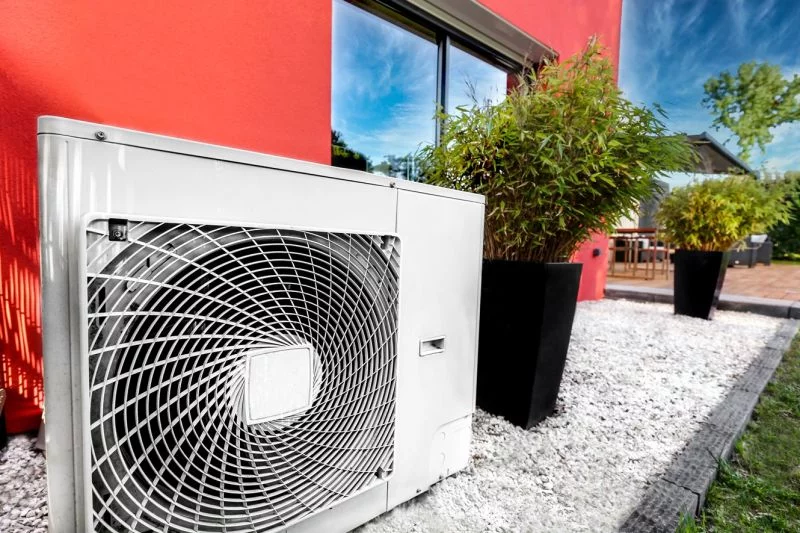
Here’s the physics that contractors hope you don’t understand: Heat pumps produce 3-4 kWh of heat for every 1 kWh of electricity consumed. Even at 40 cents/kWh electricity, you’re paying the equivalent of 10-13 cents/kWh for heat. Gas prices, currently around 12 cents/kWh, are only heading upward thanks to carbon pricing and network fees that rise as fewer users remain to share the costs.
The Klimareporter analysis is clear: Two-thirds of Germans recognize that gas and oil heating will become a long-term cost trap. Gas networks are already being decommissioned, Mannheim announced its gas network shutdown, and others will follow. Your “cheaper” gas boiler today is a stranded asset tomorrow.
The 1984 Altbau Reality Check
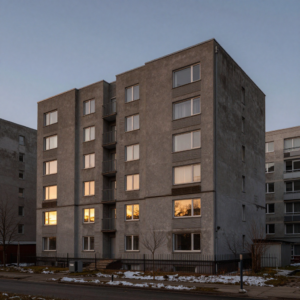
But what about truly old buildings? A forum user with a 1984 house asked whether a heat pump would work with his single-pipe radiator system, 1984 double-glazed windows, and partial insulation. The expert response: it’s absolutely feasible, but requires proper planning.
The key metric is flow temperature. He tested his system at 45-50°C during 0°C to -10°C weather and found some rooms too cold. The solution isn’t abandoning heat pumps, it’s hydraulic balancing and potentially upgrading a few radiators. The consensus: aim for flow temperatures under 45°C, ideally under 40°C, and the system runs efficiently.
This matches what the 1989 homeowner proved: you don’t need a full renovation. You need correct sizing and realistic expectations. Yet contractors routinely quote 40,000+ euro “gut renovations” when a 15,000 euro targeted upgrade would suffice.
Regional Disparities: The North-South Price Divide
Geography matters more than it should. The 1989 homeowner noted that quotes in Baden-Württemberg and Bavaria were brutally high, while northern Germany was significantly cheaper. One BW homeowner couldn’t find any installer under 40,000 euros and considered DIY installation for 10,000 euros instead.
The Sozialklimarat study confirms this pattern: 40% of Saarland households have poor or very poor ability to adapt to climate-friendly heating, versus only 20% in Berlin. The reasons? Lower average incomes, higher homeownership rates, and older building stock. In regions like Rheinland-Pfalz and Niedersachsen, 38% of households face similar challenges.
This creates a vicious cycle: high prices prevent adoption, which keeps installer experience low, which maintains high prices.
The Subsidy Trap: Why “Free Money” Isn’t Helping
Germany’s subsidy system, up to 70% for households earning under 40,000 euros, sounds generous. In practice, it often subsidizes inflated prices rather than reducing homeowner costs. One commenter noted that subsidies mainly fill installers’ pockets, who stretch quotes to capture the maximum grant.
The smarter approach? Some homeowners are skipping subsidies entirely, buying equipment directly for 10,000-12,000 euros and hiring installers for basic connections. The total cost: under 15,000 euros. Even without the 15,000-20,000 euro subsidy, the payback period is often under 10 years.
The Political Fog: Why Planning Is Impossible
Adding to the chaos is Germany’s political paralysis. The coalition promised to “abolish” the heating law (GEG) but has spent eight months arguing about its replacement. The 65% renewable heating requirement remains in limbo. Subsidy levels for 2026 are uncertain.
As CO2-Online’s managing director Tanja Loitz notes: “We still don’t know what will happen to the 65% rule and what subsidies will look like. This way, nobody can plan reliably.” This uncertainty freezes homeowners, allowing them to be easily steered toward gas boilers as a “safe” short-term choice.
The Future-Proofing Argument
Here’s what nobody tells you: Unrenovated houses with gas heating are losing value. A Tagesschau report highlights that unsanitized properties face valuation discounts up to 30%. Meanwhile, the family in Walhausen who replaced their 32-year-old oil system expects heating costs to halve with their new heat pump.
The financial logic is stark. Gas and oil prices will rise due to:
– Increasing CO₂ pricing (currently 45 euros/ton, rising)
– Network fees spread across fewer users
– Potential gas network decommissioning
Your 3,500 euro gas boiler repair today is just delaying the inevitable 30,000 euro heat pump installation later, without capturing five years of energy savings in between.
How to Beat the System
- Get at least 10 quotes. The first nine will likely try to sell you gas. The tenth might actually understand heat pumps.
- Check electricity tariffs first. Your “expensive” heat pump is only expensive if you’re on a legacy power contract.
- Test your flow temperatures. Lower your boiler’s flow temperature to 45°C this winter. If your house stays warm, a heat pump will work.
- Consider subsidy-free installation. Buy the equipment, hire a freelancer for connections. The subsidy game is rigged.
- Targeted upgrades beat full renovations. Hydraulic balancing and a few larger radiators cost thousands, not tens of thousands.
The Bottom Line
Heat pumps aren’t the problem, Germany’s heating installation market is. The technology works in 1980s houses, pays for itself in under a decade, and future-proofs your property value. But the industry’s business model depends on you not knowing this.
Your mission isn’t to evaluate whether a heat pump makes financial sense. It’s to avoid paying double what the installation should actually cost. The homeowners who succeed are those who treat contractor advice as sales pitches, not engineering assessments, and who understand that in Germany’s distorted market, the right answer is often the one nobody’s trying to sell you.
Next Steps: Run your heating system at lower temperatures this winter. Document the results. Then get quotes from installers 100+ kilometers away, they’re often cheaper and more experienced than local firms. And remember: the best financial decision is sometimes skipping the subsidy and keeping the installer honest.