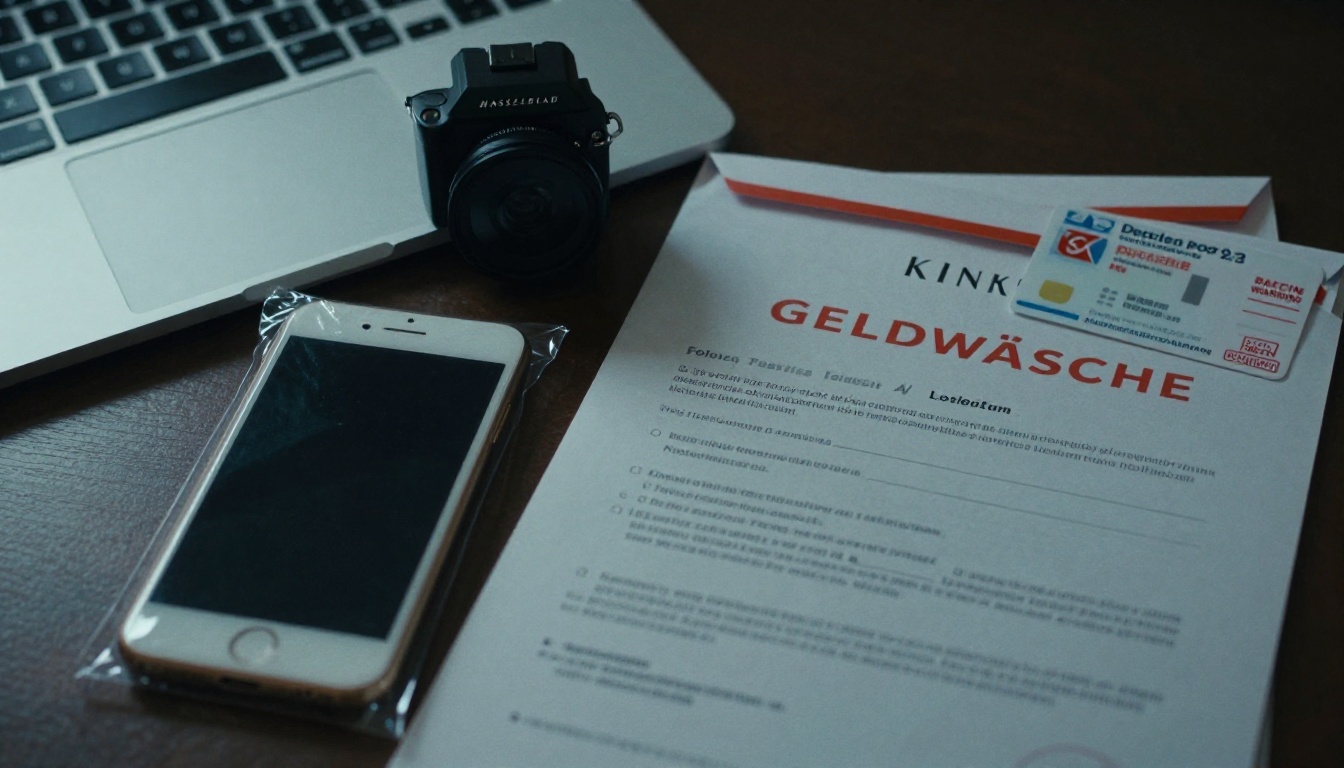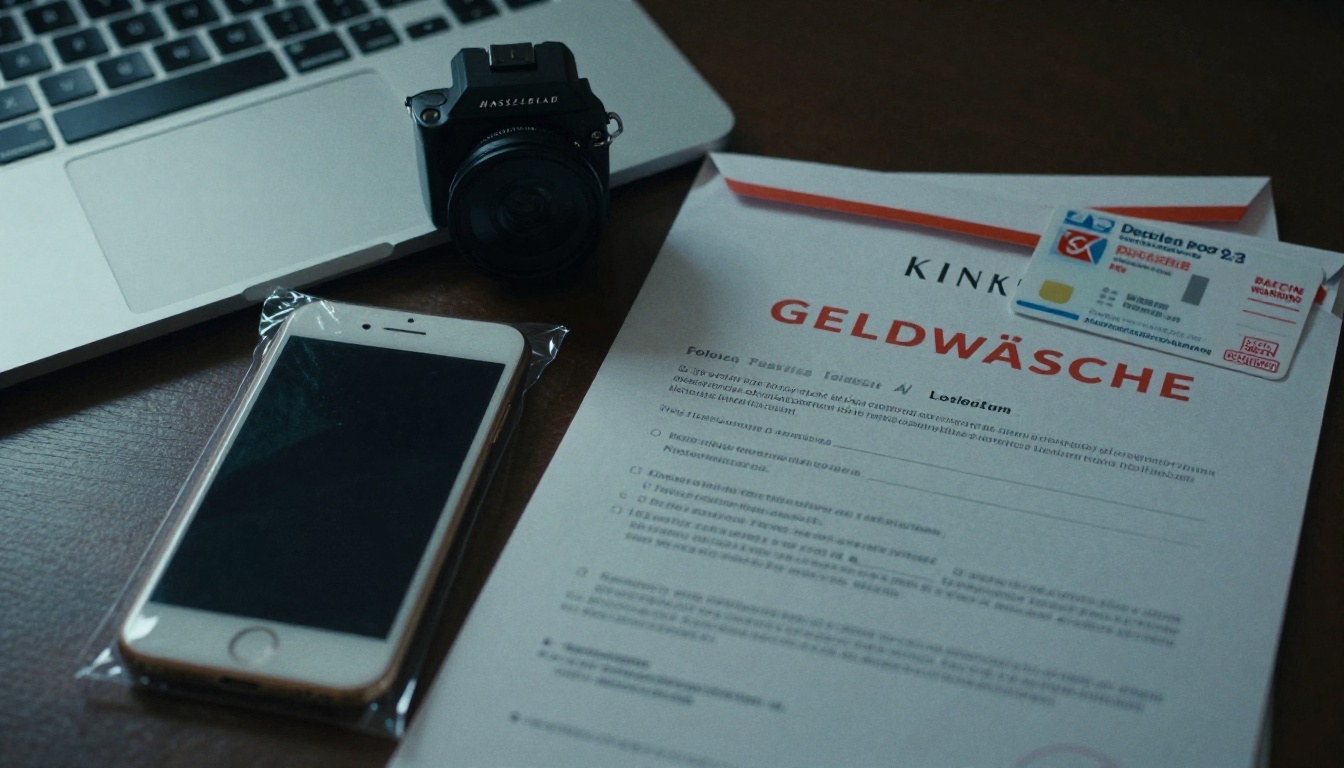
You’re scrolling through job listings, desperate for that perfect home office position. The offer hits your inbox: €603 monthly for just 7 hours of remote work per week, plus a free MacBook Air and iPhone. No interview required. The contract arrives within hours, looking professional and complete. Sounds like a dream? In Germany right now, it’s more likely a criminal trap that could land you in front of a judge.
This isn’t your standard phishing attempt. A sophisticated scam network is weaponizing the PostIdent (Postal Identity Verification) process, a trusted German identity verification system, to transform job seekers into unwitting money mules. The consequences extend far beyond a drained bank account. Victims face potential criminal liability for money laundering, identity theft complications, and years of financial monitoring.
The Anatomy of the PostIdent Job Scam
The scheme operates with chilling efficiency. Criminals impersonate legitimate German companies, often targeting small businesses without strong web presence or those nearing insolvency. They copy real Handelsregister (Commercial Register) entries and create convincing fake websites using AI-generated content, something one vigilant job seeker recognized immediately due to their familiarity with AI design patterns.
The bait: A Minijob (mini-job) offering suspiciously high compensation for minimal hours, complete with expensive hardware promises. The contract arrives without any prior conversation, interview, or even a phone call.
The trap: Buried in the paperwork is a requirement to complete PostIdent verification for a “company employee card.” Real German companies issue corporate cards through their business accounts, never through personal PostIdent processes. This seemingly innocent step actually opens a standard bank account in your name at a direct bank, with the scammers gaining exclusive access.
The exploitation: Once the account is active, criminals use it to funnel money from illegal activities, operate fake online shops, or process payments for fraud schemes. The account bears your name, your verified identity, and your legal responsibility.
Why PostIdent Makes This Dangerously Effective
PostIdent is Germany’s gold standard for identity verification, used by banks, insurance companies, and government services. The process requires visiting a Deutsche Post branch with your ID, where an employee verifies your identity against official documents. It’s designed to be secure, but that security works against victims in this scenario.
Here’s the critical flaw criminals exploit: During in-branch PostIdent verification, staff may not always clearly communicate why you’re being verified. Many victims report simply showing a QR code and signing documents without understanding they were opening a personal bank account. The scammers specifically direct victims to physical post offices rather than using the PostIdent app, because app-based verification includes clearer disclosures about the verification purpose.
As financial crime experts note, the BaFin (Federal Financial Supervisory Authority) has issued guidelines requiring disclosure of verification purpose, but implementation varies. This gap between regulation and practice creates the perfect exploitation window.
The Victim’s Perspective: From Hope to Legal Nightmare
Many international residents and young job seekers fall prey to this scheme, particularly those unfamiliar with standard German employment practices. The red flags seem obvious in hindsight: no interview, immediate contract, pressure to verify identity quickly. But when you’re struggling to find work and an attractive offer appears, skepticism often takes a back seat.
Those who realize they’ve been scammed describe a pattern: after completing PostIdent, they receive no hardware, no work assignments, and no further legitimate contact. Instead, they may get notifications about a new bank account they never wanted. Some victims never even receive login credentials, these go directly to the criminals, who maintain complete control.
The psychological impact compounds the legal risks. Victims report feeling violated, stupid, and terrified about potential criminal consequences. Even when reporting to police, they face scrutiny as potential accomplices rather than being treated purely as victims.
Legal Consequences: You’re Holding the Bag
German law doesn’t automatically absolve you because you were “tricked.” If your verified identity opened the account, you bear legal responsibility for its activities. This means:
- Money laundering charges: Even unwitting participation can trigger investigations under Germany’s strict anti-money laundering laws
- Financial liability: You’re responsible for any debts, fees, or fraudulent transactions
- Credit damage: Your Schufa (German credit score) can be destroyed, affecting housing, loans, and contracts for years
- Ongoing monitoring: Once flagged, financial institutions may scrutinize your activities indefinitely
The scammers know this. They specifically target individuals whose identities provide clean records, allowing accounts to operate longer before triggering fraud detection systems. Your good name becomes their criminal asset.
Red Flags That Scream “Scam”
German employment follows predictable patterns. Deviations should trigger immediate suspicion:
- No interview process: Legitimate German employers conduct proper interviews, even for Minijobs. A contract without conversation is a massive red flag.
- Immediate pressure: “Sign today, start tomorrow” tactics prevent due diligence. Real hiring processes take weeks.
- PostIdent for “company cards”: Corporations handle employee verification internally. Any request for personal PostIdent verification is suspicious.
- AI-generated communication: Overly polished websites and emails lacking human touch may indicate automated scam infrastructure.
- Address discrepancies: Always verify the company’s address against the official Handelsregister entry. Scammers use fake locations.
- Hardware promises: Free MacBooks and iPhones are rare in German Minijobs. If it sounds too good to be true, it is.
How to Verify Legitimate German Employers
Before signing anything, conduct these checks:
- Search the company name plus “Betrug” (fraud) or “Scam” in German search engines
- Verify the exact web address against official sources, scammers use slight variations
- Check the Handelsregister for the company’s official address and status
- Contact the company directly via phone using numbers from official sources, not the job posting
- Never communicate solely through WhatsApp, Telegram, or email for employment matters
If you’ve already signed a contract but haven’t completed verification, stop immediately. Contact the company directly using independent contact information to confirm the posting’s authenticity.
What to Do If You’ve Been Targeted
If you suspect you’ve fallen victim:
- File a police report immediately, this establishes your status as a victim, not an accomplice
- Contact the bank associated with the PostIdent verification to freeze any accounts
- Report to the ** BaFin ** (Federal Financial Supervisory Authority) at their dedicated fraud reporting portal
- Monitor your credit report through Schufa for unauthorized activities
- Document everything: emails, contracts, QR codes used in verification
- Alert the legitimate company if scammers impersonated them, they can issue warnings
The German police have confirmed they’re tracking these schemes, with multiple federal states issuing warnings about “Job-Scamming” operations. Early reporting helps them identify patterns and potentially trace the networks.
The Bigger Picture: Financial Crime Evolution
This scam represents a shift from simple phishing to sophisticated social engineering that weaponizes legitimate financial infrastructure. Similar to fake banking communications used in identity and financial scams, criminals exploit trust in German institutions.
The Bundesverband Deutsche Banken (Association of German Banks) has warned about rising account-opening fraud, but public awareness remains low. The combination of Germany’s strict identity verification requirements and digital job search platforms creates fertile ground for exploitation.
Bottom Line: Trust But Verify
Germany’s employment market has clear rules and processes for good reason. Any offer that circumvents these standards, whether through bypassing interviews, demanding immediate PostIdent verification, or promising unrealistic compensation, should be treated as a potential crime scene, not a career opportunity.
Your Personalausweis (German ID card) and identity verification are valuable assets. Treat them with the same caution as your bank PIN. Once criminals have verified access to financial products in your name, extricating yourself becomes a bureaucratic and legal nightmare that can shadow you for years.
The dream job offer sitting in your inbox might save you weeks of job searching. Or it might cost you your clean criminal record, your credit score, and your financial stability. In Germany’s current scam landscape, those odds aren’t worth playing.
Action step: If you’re currently job hunting, bookmark the BaFin warning page and your local police department’s fraud reporting portal before you need them. And remember, legitimate German employers will never ask you to verify your identity for corporate services through your personal PostIdent.