The Spiegel recently profiled a retiree named Kruse who achieved financial independence through three simple decisions: buying a house 26 years ago for €400,000, acquiring two additional apartments in Hamburg’s north at €3,700 per square meter, and investing in dividend stocks. The story sparked immediate backlash online, with many pointing out that Kruse’s “wisdom” boils down to being in the right place at the right time with significant capital. Let’s unpack what this story really tells us about building wealth through Immobilien (real estate) in Germany today.
The Math Behind the Millionaire
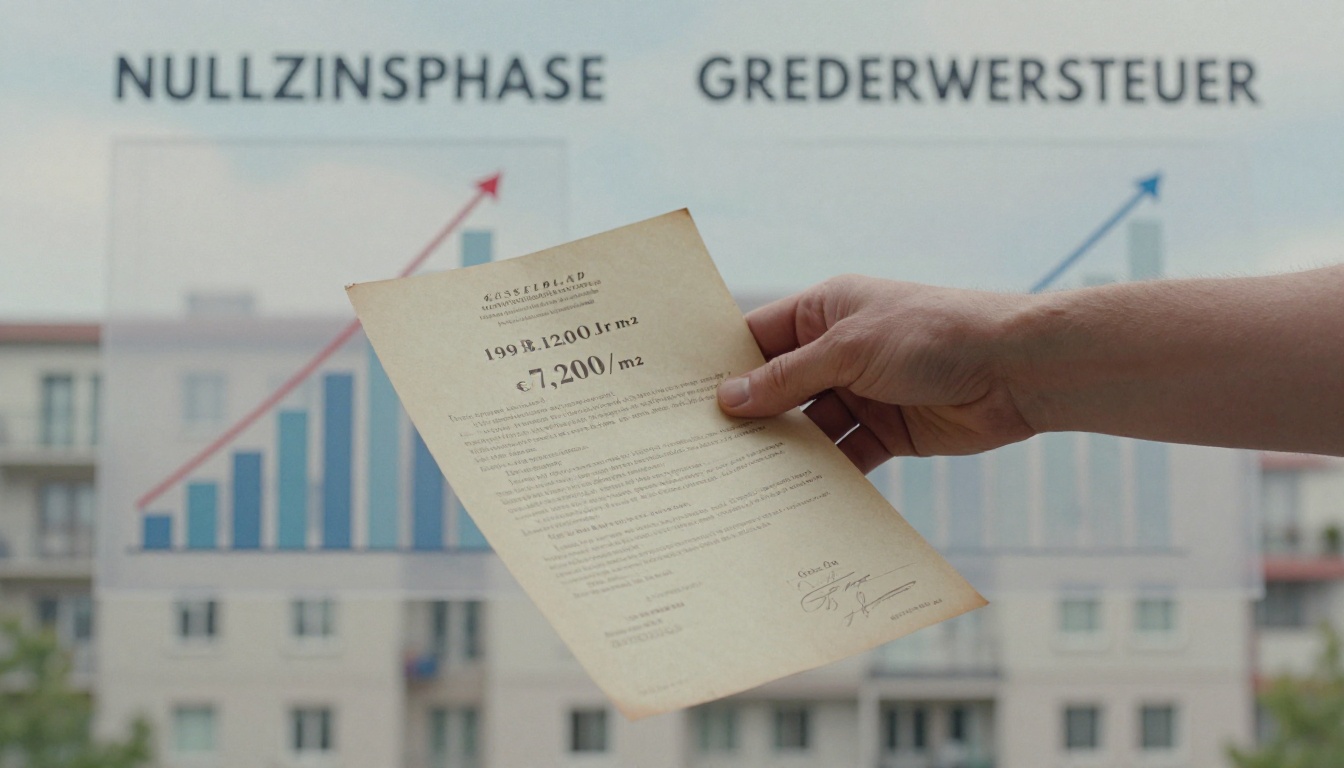
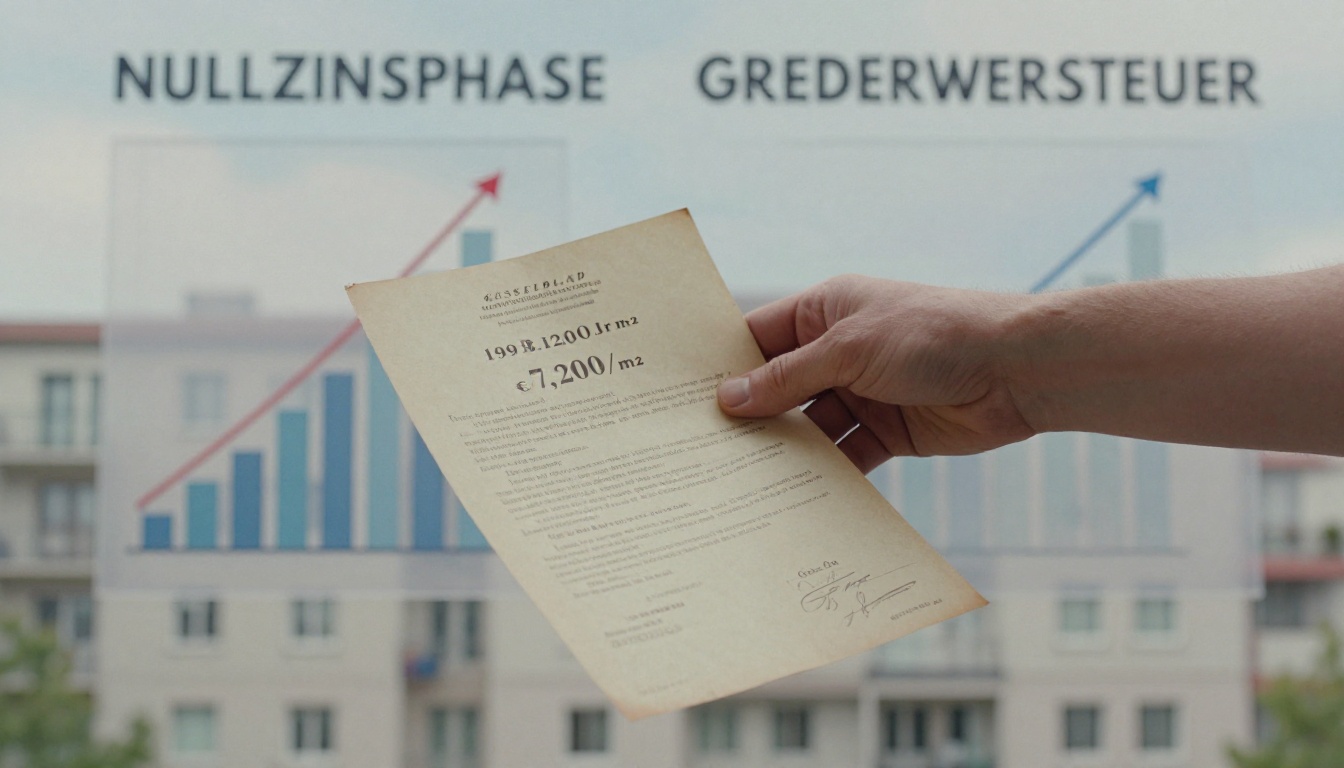
Kruse’s €400,000 house purchase in 1998 looks genius in hindsight. Hamburg property values have more than doubled since then, with land prices alone jumping nearly 150% between 2016 and 2022 during the Nullzinsphase (zero interest rate period). His additional apartments, bought at what he called “way too expensive” €3,700/m², now look like bargains as Hamburg prices regularly exceed €7,000/m² in desirable neighborhoods.
The retiree’s monthly income streams tell the real story:
– Company pension: €8,000/month
– Dividend stocks: €3,300/month (requiring roughly €1 million in capital)
– Rental income: undisclosed, but likely substantial given Hamburg’s current Mietrendite (rental yield) of 3-4%
Combined, this puts him well into the top 5% of German retirees. But here’s the uncomfortable truth: replicating this strategy in 2026 is mathematically nearly impossible for most Germans.
The Privilege Problem No One Wants to Admit
Online reactions captured the frustration perfectly. One commenter noted: “Vor 26 Jahren war ich 9 Jahre alt und hatte nicht genug Taschengeld für eine Immobilie” (26 years ago I was 9 years old and didn’t have enough pocket money for property). The sarcasm cuts deep because it exposes the fundamental flaw in retroactive financial advice.
Capital Requirements Then vs. Now
In 1998, €400,000 bought a substantial house in Hamburg. Today, that same amount might get you a 2-room apartment in a mid-tier neighborhood, or less. The Grundstückpreise (land prices) have exploded, particularly in the last decade. As one analyst pointed out, that €400,000 purchase would be €800,000 to over €1 million today, depending on location.
The down payment alone, typically 20% in Germany, would require €80,000 to €200,000 in savings. That’s before you pay the Grunderwerbsteuer (real estate transfer tax, 3.5-6.5% depending on the state), Notar (notary) fees (1.5-2%), and Makler (agent) commission (3.57% plus VAT if applicable). On a €600,000 purchase in Berlin, you’re looking at roughly €40,000-€60,000 in additional costs alone.
The Hidden Costs That Kill Returns
This brings us to the transaction cost trap that many first-time buyers overlook. The Makler vs. Notar (real estate agent vs. notary) dynamic reveals a fascinating German peculiarity: you pay the agent six times more than the notary, despite the notary handling all legal liability. On a typical €500,000 purchase, that’s €30,000 to the agent versus €5,000 to the notary.
These costs create a massive barrier to entry. Even if you can scrape together a down payment, the additional 10-15% in transaction costs means you need significantly more capital than the sticker price suggests. This is why many young professionals find themselves trapped in the Luxuspoverty (luxury poverty) cycle, earning good salaries but unable to save enough to enter the property market.
City-by-City Reality Check
The WiWo analysis of 50 German cities reveals stark differences in buy-vs-rent math. In Berlin, buying rarely makes financial sense unless you stay 15+ years. The city’s rent control policies (Mietpreisbremse) and relatively stable prices compared to Munich or Frankfurt mean renters can come out ahead.
Hamburg, where Kruse built his empire, shows more favorable buying conditions in certain districts. The Mietrendite (rental yield) in peripheral areas can reach 4-5%, making it attractive for investors with capital. But for owner-occupiers, the equation remains challenging.
Munich is a different universe entirely. With purchase prices regularly exceeding €10,000/m², even high earners struggle to qualify for financing. The city’s Immobilienpreise (real estate prices) have detached so far from local incomes that buying is essentially a generational wealth transfer exercise.
Alternative Paths: ETFs vs. Bausparvertrag
The Spiegel story mentions Kruse’s dividend stocks, but modern German investors increasingly turn to ETF-Sparpläne (ETF savings plans). With zero-fee options from brokers like Trade Republic and Scalable Capital, you can start investing with €50 monthly, no €100,000 down payment required.
For those determined to buy eventually, the Bausparvertrag (building savings contract) offers a middle path. You save systematically, earn modest interest, and gain access to a low-interest loan after a qualifying period. The government even subsidizes this through the Wohnriester (residential Riester pension) program, though recent reforms have reduced its attractiveness.
The math is sobering: a €200 monthly ETF contribution over 26 years, assuming 7% annual returns, grows to roughly €180,000. That’s less than half what you’d need for a down payment on a comparable property today. The gap between systematic investing and property wealth has widened dramatically.
The Institutional Risk Factor
The Bayerische Versorgungskammer (Bavarian Pension Chamber) recently admitted to losing up to €690 million on speculative US real estate bets. This isn’t just institutional incompetence, it’s a warning shot. If Germany’s second-largest pension fund can’t navigate real estate markets, what chance does an individual investor have?
This loss highlights the risks of concentration. Kruse’s wealth is tied almost entirely to Hamburg real estate and a handful of dividend stocks. While it worked for him, it represents massive undiversified risk. A local market downturn or change in rental regulations could wipe out decades of gains.
Practical Takeaways for Today’s Market
1. Run Your Numbers Honestly
Use a Mietrendite Rechner (rental yield calculator) to evaluate potential purchases. In most German cities, you need 3-4% net yield just to break even after costs. Below that, you’re speculating on price appreciation, not investing.
2. Consider the “Rent and Invest” Strategy
Instead of stretching for a down payment, calculate what your monthly mortgage payment would be, then invest the difference between that and your current rent. Over 20 years, you may build comparable wealth with far more flexibility.
3. Watch for Policy Changes
Berlin’s political landscape remains hostile to private landlords. The Senat (city senate) actively promotes social housing over private ownership. This creates regulatory risk that doesn’t appear in spreadsheets but can devastate returns.
4. Start Small with Fractional Ownership
Platforms like Exporo and Rendity allow fractional real estate investment with as little as €500. While yields are modest, they offer exposure without the capital burden or concentration risk.
The Bottom Line
Kruse’s story isn’t wrong, it’s just incomplete. Yes, buying property 26 years ago in Hamburg made you wealthy. But that’s like saying “buying Bitcoin in 2010 was smart.” The relevant question is: what should you do today?
For most Germans under 40, the answer involves a mix of aggressive ETF investing, potential use of a Bausparvertrag, and keeping a flexible mindset about ownership. The property ladder’s rungs have moved so far apart that jumping for the first one risks pulling a muscle, or worse, financial ruin.
The real lesson from the Spiegel profile isn’t “buy property.” It’s that wealth building requires capital, timing, and luck. Two of those three are outside your control. Focus on what you can control: systematic investing, living below your means, and avoiding the trap of Luxuspoverty that leaves you with nice gadgets but no assets.
And if you do decide to buy, budget an extra 15% for costs, research local Mietrendite trends obsessively, and never fall in love with a property. In Germany’s current market, emotion is the most expensive luxury of all.