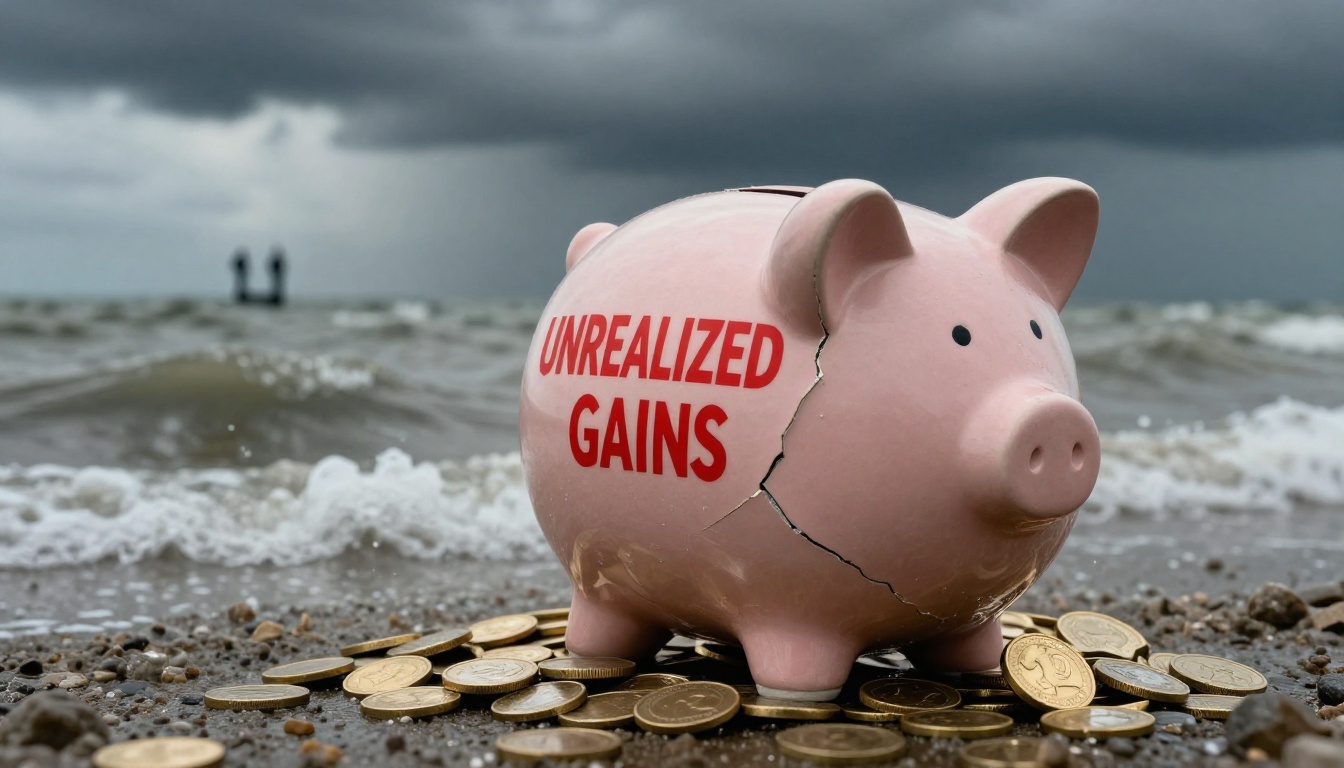
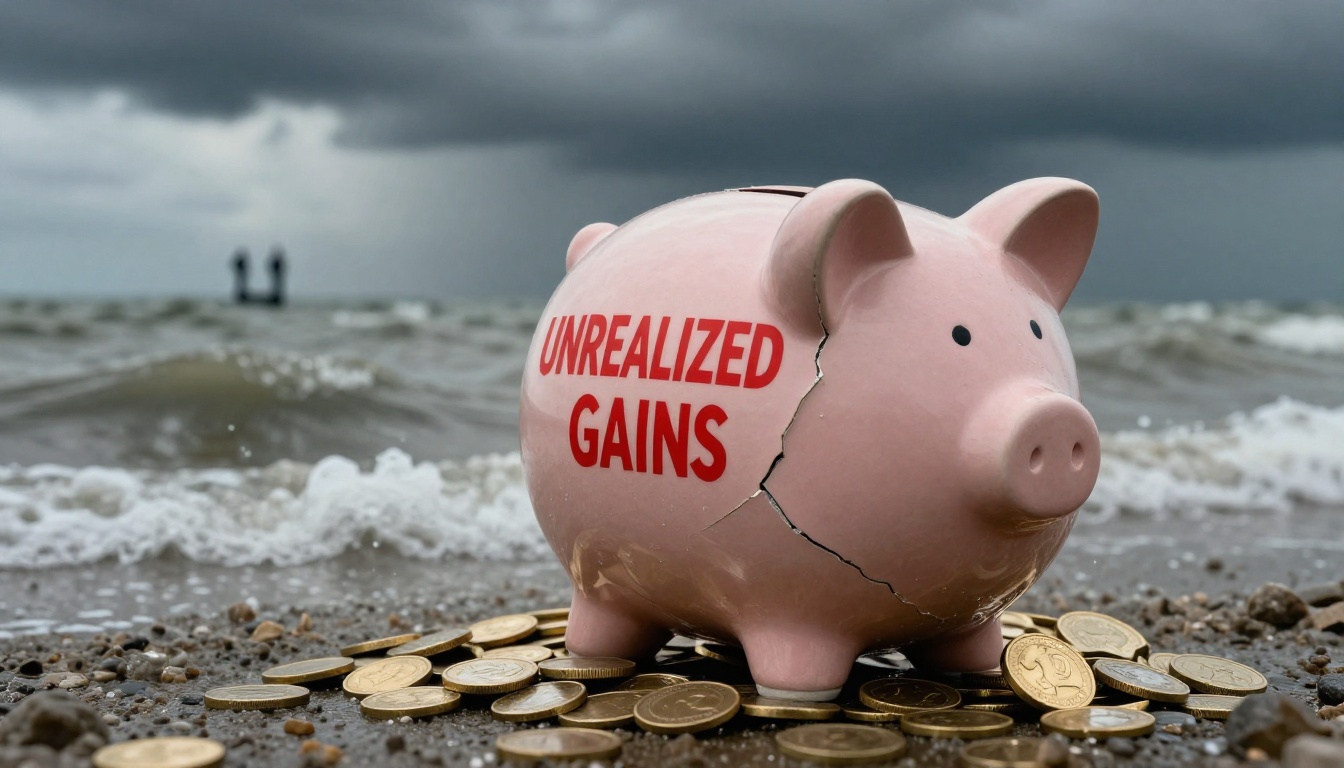
The Dutch government just hit the emergency brake on one of Europe’s most radical tax reforms, and the tremors are being felt in investment portfolios across Germany. After months of escalating protests, Finance Minister Eelco Heinen announced that the controversial Box 3 wealth tax overhaul, which would have slapped a 36% tax on unrealized capital gains, is being pulled back for fundamental revisions. For German investors watching from across the border, this isn’t just Dutch domestic policy, it’s a live-fire exercise in what happens when wealth taxes go too far, too fast.
What the Netherlands Tried to Pull Off
The Dutch tax system sorts income into three “boxes.” Box 3 covers private capital, everything from your savings account to your crypto wallet. Since 2001, it taxed these assets based on fictional returns, a system the Dutch Supreme Court declared unlawful in multiple rulings. The government was forced to pay back approximately €2.3 billion annually to investors whose actual returns fell short of these imaginary numbers.
The proposed reform seemed logical at first: tax actual returns instead of made-up ones. But the devil was in the details. The plan demanded investors pay tax on paper profits, unrealized gains from stocks, ETFs, cryptocurrencies, and even startup equity that hadn’t been sold. Your portfolio jumps from €50,000 to €100,000? You’d owe up to €16,704 in tax even if you never sold a single share.
This created an immediate liquidity crisis scenario. As one analysis pointed out, if markets subsequently fell and your portfolio dropped to €60,000, your real gain was only €10,000, but your tax bill remained frozen at that €16,704 peak. You’d be forced to sell assets just to pay tax on money you never actually made.
Why the Backlash Became Unstoppable
The criticism wasn’t just coming from wealthy investors. Startup employees faced a particularly nasty trap. Many Dutch tech companies compensate staff partially in equity, which under the new rules would trigger massive tax bills as valuations climbed, even though these shares were typically locked up and unsellable. Prince Constantijn of Oranje, the special envoy for the government-backed startup support organization Techleap, publicly warned that the policy would devastate the Netherlands’ thriving tech ecosystem.
Even Elon Musk weighed in, calling the plan “crazy” on social media. When a tax proposal manages to unite a billionaire entrepreneur and rank-and-file startup engineers, you know you’ve miscalculated.

ABN Amro, one of the Netherlands’ largest banks, issued stark warnings that the tax would penalize long-term investors precisely when the government should be encouraging savings. The core problem was simple: it attacked the principle of Zinseszins (compound interest) that underpins all serious wealth building. By forcing investors to liquidate holdings prematurely to cover tax bills, the state was essentially confiscating future growth.
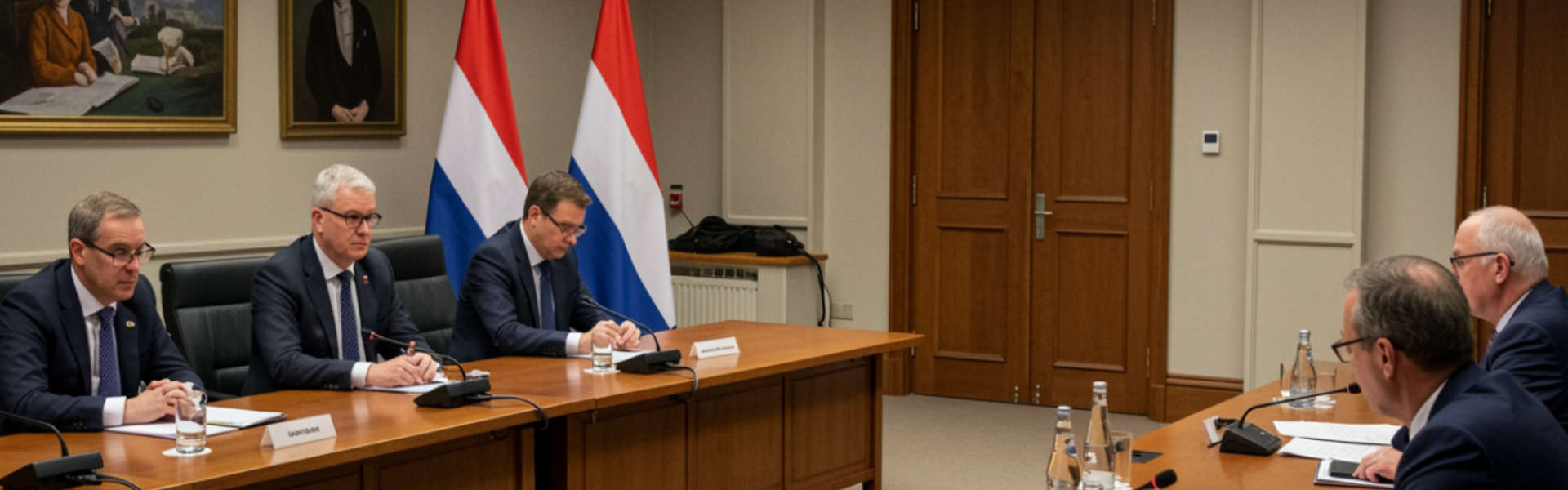
The political pressure became unbearable for the new Dutch cabinet. Finance Minister Heinen’s spokesperson delivered the understatement of the year: “There is a lot of criticism of the Actual Return Act. We are not deaf to that.” The bill needs amendment, he admitted, though what exactly will change remains unclear.
The German Question: Could This Happen Here?
German investors have been watching this drama with increasing alarm because the intellectual groundwork for similar policies is already being laid in Berlin. The SPD has been floating proposals to extend social security contributions to capital income, which would fundamentally change how investment returns are taxed in Germany. While not identical to the Dutch Box 3 model, it reflects the same impulse: tapping investment wealth to plug holes in the social welfare budget.
The SPD’s capital income tax proposals have been framed as making the financial system “fairer”, but they target the same middle-class investors who rely on ETF savings plans (ETF-Sparpläne) and equity investments for retirement. The Dutch experience reveals how quickly such ideas can morph from theoretical discussion to concrete legislative threat.
German investors are particularly vulnerable because the country’s tax system already shows willingness to tax paper gains in other contexts. The Vorabpauschale (advance lump-sum tax) on ETFs already forces investors to pay tax on fictional returns from accumulating funds. Many in the German investment community see the Dutch Box 3 reform as a potential “Vorabpauschale 2.0” on steroids.
Why the Dutch Retreat Matters for Your Portfolio
The Netherlands’ reversal sends three clear signals to German policymakers and investors:
- First, liquidity concerns are politically powerful. The argument that investors might have to sell assets to pay tax on gains they haven’t realized resonates across the political spectrum. It’s one thing to tax actual profits, it’s another to force people to liquidate their retirement savings to pay phantom tax bills.
- Second, startup ecosystems are effective lobbyists. The Dutch tech sector’s vocal opposition demonstrates that policies threatening innovation and entrepreneurship face fierce resistance. Germany’s equally vibrant startup scene would likely mobilize similarly.
- Third, implementation complexity is a real barrier. The Dutch plan required unprecedented documentation and valuation challenges, especially for illiquid assets. German efficiency might theoretically handle this better, but the administrative burden on both taxpayers and the Finanzamt (Tax Office) would be enormous.
What German Investors Should Do Now
While no German party has officially proposed a Dutch-style Box 3 system, the intellectual climate is shifting. The Netherlands shows that wealth taxes are no longer fringe ideas, they’re being seriously considered and nearly implemented. Here’s how to prepare:
- Track your cost basis religiously. Any future wealth tax will require precise documentation of acquisition costs. German brokers already provide this, but if you use international platforms, ensure you have complete records.
- Understand your liquidity position. If a tax on unrealized gains were introduced, could you pay it without selling? This is particularly critical for crypto investors and those heavily allocated to illiquid assets.
- Monitor political developments. The Dutch unrealized gains tax serves as a warning shot for German investors. Pay attention not just to what parties propose, but what coalition agreements might contain after the next federal election.
- Consider your exit options. Germany already imposes an exit tax on ETFs and wealth when emigrating. If wealth taxes become more aggressive, this burden could increase. Knowing your options doesn’t mean you’ll leave, but understanding the cost of staying is crucial.
The Bigger Picture: A European Trend?
The Dutch Box 3 fiasco reflects a broader European debate about taxing wealth versus income. As traditional income tax bases shrink due to demographic change and digitalization, governments are hunting for new revenue sources. Wealth, particularly financial assets, is an obvious target.
But the Dutch backlash reveals the limits. Investors aren’t passive sheep waiting to be shorn. When policies become too aggressive, capital flight, reduced investment, and political pushback follow. The fact that even the Netherlands, a country known for pragmatic consensus politics, couldn’t push this through suggests there’s a natural ceiling to how far wealth taxes can go.
For Germany, the lesson is clear: any similar proposal would face even stiffer resistance. The German obsession with Sicherheit (security) and planning extends to financial matters. A tax that creates uncertainty about future liquidity would clash fundamentally with this cultural preference for predictability.
Bottom Line
The Dutch Box 3 collapse isn’t the end of wealth tax discussions in Europe, it’s a recalibration. German investors should treat it as a yellow card, not a final whistle. The underlying pressures that drove the Dutch proposal, aging populations, rising social costs, and wealth inequality, haven’t disappeared.
Your ETF portfolio, crypto holdings, and equity investments are likely safe from immediate taxation of paper gains. But the intellectual framework for such taxes is being developed, tested, and refined. The Netherlands just provided a masterclass in what not to do. German policymakers will learn from their mistakes, making any future German proposal potentially more sophisticated and harder to defeat.
Stay informed, stay liquid, and stay politically aware. The best defense against future wealth taxes is understanding how they work before they land on your doorstep. The Dutch just gave German investors a free preview of the arguments, loopholes, and pressure points that will shape this debate when it inevitably reaches Berlin.
Disclaimer: This analysis is for informational purposes only and does not constitute tax advice. Consult a qualified Steuerberater (tax advisor) for personalized guidance on your specific situation.