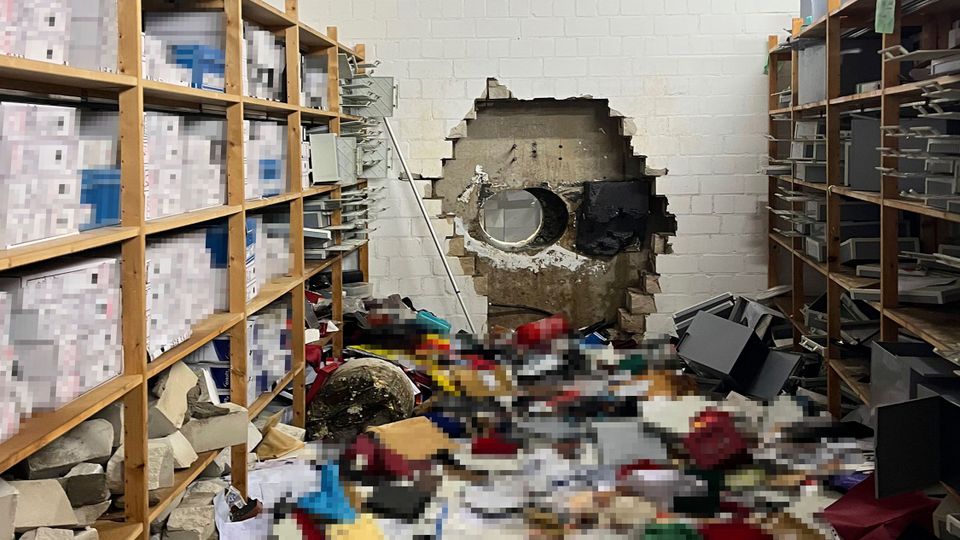
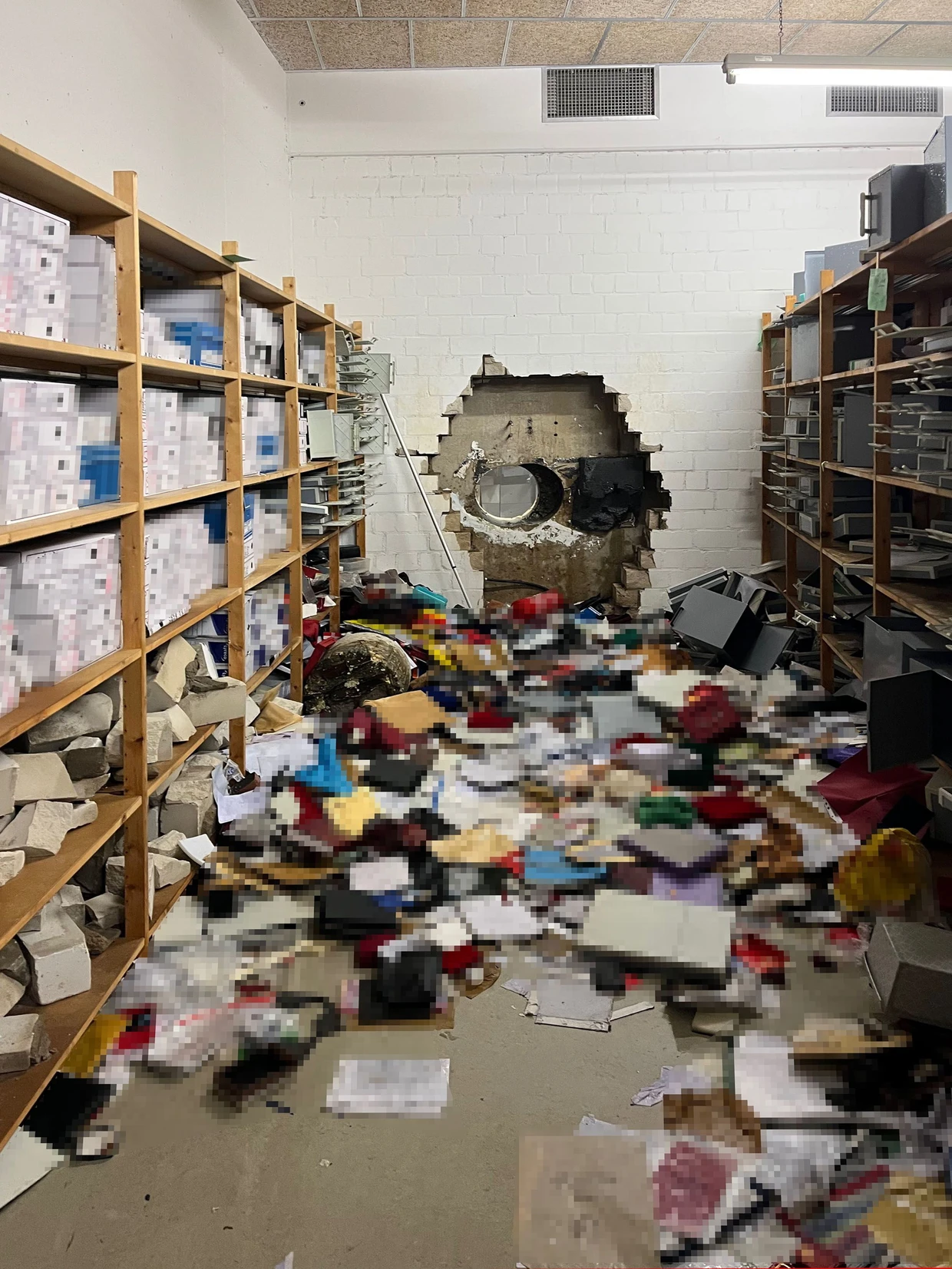
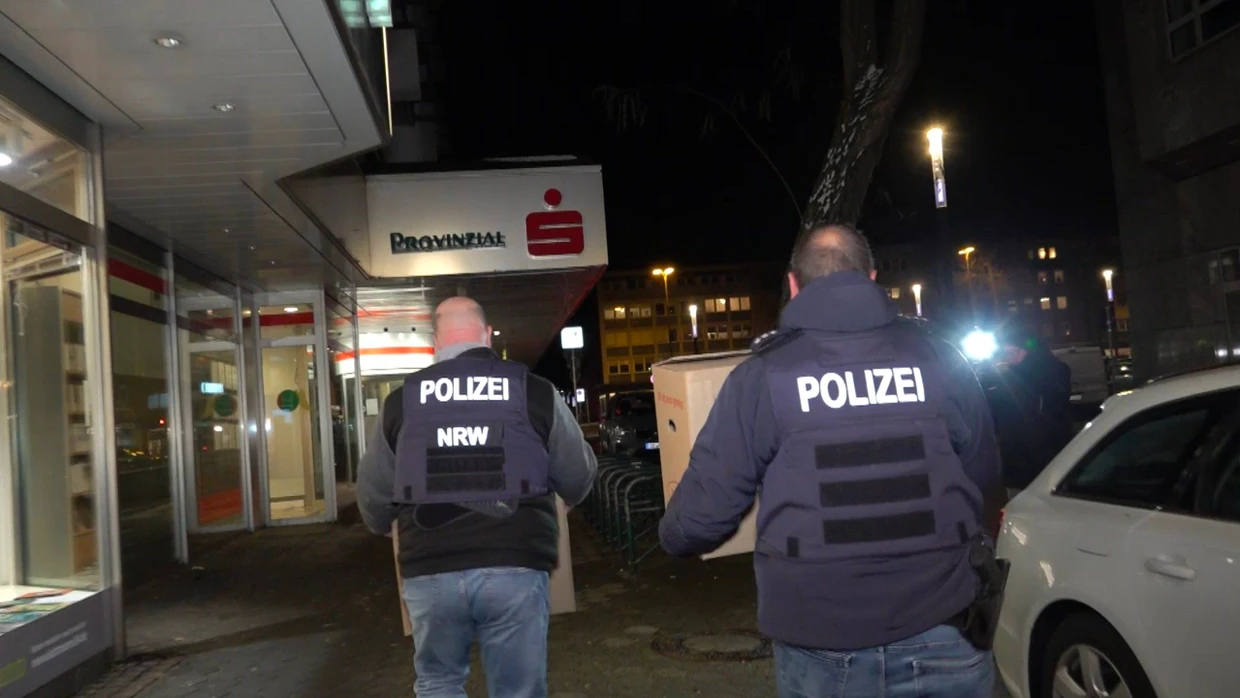
The morning of December 29th, 2025, brought a nasty surprise for customers of the Sparkasse Gelsenkirchen-Buer branch. Police tape surrounded the building, and inside, the Tresorraum looked like a scene from a heist movie. Over nearly 48 hours, burglars had drilled through reinforced concrete, bypassed what little security existed, and emptied 3,250 Schließfächer. The loot? Potentially €300 million in cash, gold, and valuables. The insurance payout? A maximum of €10,300 per box.
This wasn’t a sophisticated cyberattack targeting digital assets. It was a brute-force physical breach exploiting a much simpler vulnerability: the false sense of security that comes with renting a safety deposit box.
The Three Pillars of German Financial Paranoia
What people stored in those boxes reveals something telling about German financial habits. According to the lawyer representing over 100 victims, the contents reflected three distinct anxieties: Gold from Turkish weddings (cultural savings), cash hoarded by Gastronomen (tax-averse small business owners), and life savings of elderly couples who never trusted banks with deposits. These aren’t criminals laundering money, they’re ordinary people who believed a bank vault was the safest place for their wealth.
One victim reportedly lost two million euros. Another, an entire retirement fund. The pattern repeats across Germany: people who lived through hyperinflation stories from grandparents, who distrust digital banking, who prefer the tangible security of gold and cash. They paid €40-120 annually for a Schließfach, assuming unlimited protection. They were wrong.
The Fine Print Nobody Reads
The standard Sparkasse contract limits liability to approximately €10,000 per box. This isn’t buried in some obscure clause, it’s just never explicitly explained. Many customers discover it only after disaster strikes. As one legal expert noted, banks operate on a principle of minimal necessary disclosure. If you don’t ask about Versicherungssumme, they won’t volunteer it.
This isn’t unique to Sparkassen. Capital magazine’s investigation revealed Deutsche Bank includes no insurance in its €145-750 annual fees. Commerzbank offers €26,000 coverage. Volksbanken typically require explicit add-on policies. The Hamburg Sparkasse, Germany’s largest safety deposit provider with 200,000 boxes, includes up to €40,000, exceptionally generous by industry standards.
The cost of real protection? Roughly €7 annually per €1,000 of coverage. Insuring €100,000 would cost about €700 per year, more than the box rental itself. Most customers decline, either from ignorance or thrift.
When Security Becomes Negligence
The Gelsenkirchen case reveals another layer: inadequate physical security. According to investigators, the Tresorraum lacked motion sensors and vibration detectors, basic measures that would have alerted authorities during the prolonged drilling. A similar 2023 heist in Strausberg near Berlin involved the same modus operandi: holiday timing, core drilling, and deactivated alarms.
Banks argue that reinforced concrete walls and occasional guard patrols meet security standards. But when a €100 million loss results from missing €30 sensors, the definition of “adequate” becomes questionable. Legal experts suggest victims might successfully argue gross negligence, forcing the bank to cover full losses beyond contractual limits. The Sparkasse Märkisch-Oderland faces exactly this scenario after a 2023 Easter weekend robbery, with a court-ordered expert report criticizing their security as substandard.
The Documentation Nightmare
Even if victims prove negligence, they face another hurdle: proving what they lost. Without detailed inventories, photographs, purchase receipts, and ideally witness testimony, claims remain speculative. One lawyer representing victims estimates his clients’ average documented loss exceeds €100,000, but documentation doesn’t guarantee payment.
Consider the practical difficulty: Who photographs each gold coin from a wedding gift? Which restaurateur issues receipts for undeclared cash income? How does a 75-year-old prove decades of small cash deposits? The burden of proof falls entirely on the customer, yet the banking system that encouraged this storage method provided no guidance on record-keeping.
This creates a cruel irony: Those most likely to need safety deposit boxes, people with large cash holdings, cultural gold savings, or distrust of digital systems, are least likely to maintain the meticulous documentation insurers demand.
Home Storage Isn’t Better
The reflexive response, “just keep it at home”, presents its own risks. Standard Hausratversicherung policies cover only €1,000-2,000 in cash. A certified home safe helps, but most insurers cap coverage at €10,000-20,000 even then. Fire, flood, or burglary can wipe out uninsured savings just as effectively as bank vault theft, with the added risk of personal safety during a home invasion.
The Geldwäschegesetz complicates large cash holdings further. While legally owning any amount of cash is permitted, depositing or spending it requires proof of legal origin. That €50,000 in restaurant tips saved over a decade? Without documentation, depositing it triggers money laundering investigations. The bank vault seemed like a solution, it kept cash out of the suspicious-activity monitoring system while providing perceived security.
What Actually Works
The uncomfortable truth: modern German finance offers no perfect solution for large physical asset storage. Each option involves trade-offs:
For valuables under €50,000: A quality home safe plus expanded Hausratversicherung coverage offers reasonable protection with full access. Document contents meticulously with photos, receipts, and regular inventory updates stored separately from the safe.
For larger amounts: Split storage across multiple locations. Use insured bank boxes for portions, understanding the €10,000 baseline limit. Purchase explicit Zusatzversicherung for any amount above that, expect to pay €7 per €1,000 annually. Maintain photographic evidence of contents, ideally with timestamped images and witnesses present during deposits.
For gold specifically: Consider reputable storage facilities specializing in precious metals. These cost more (0.5-1% of value annually) but provide full insurance and professional security. Alternatively, convert to allocated gold ETFs, while losing physical possession, you gain liquidity and eliminate storage risk.
For cash: The best storage is often no storage. Deposit legitimate earnings regularly, even small amounts. For existing large cash holdings, consult a Steuerberater about voluntary disclosure programs. The tax penalty will likely be far less than losing 100% to theft or fire.
The Myth of Absolute Security
The Gelsenkirchen heist shatters a particular German financial myth: the belief that physical assets in institutional storage carry zero risk. Generations who witnessed currency reforms and banking crises developed a “cash under the mattress” mentality, then upgraded to “cash in the bank vault” without recognizing the continuity of risk.
Digital finance isn’t perfect, cyberattacks, bank failures, and negative interest rates create their own anxieties. But the answer isn’t reverting to physical hoarding with inadequate insurance. It’s understanding that all storage methods involve risk calculations, and choosing the one where risks are best understood, documented, and mitigated.
The Sparkasse customers who lost life savings didn’t fail at saving. They failed at risk assessment because their bank never explained that a €40 annual fee buys you a lockbox, not a guarantee. In German finance, as in so much else, if you want real security, you must pay for it explicitly, and document everything.
The Bottom Line
Your Schließfach at the local Sparkasse is not a substitute for insurance. It’s a moderately secure storage locker with minimal included coverage. Treat it as such. Photograph everything you store, maintain receipts, purchase additional coverage for anything above €10,000, and accept that perfect security doesn’t exist, only managed risk.
The real scandal isn’t that burglars can drill through concrete. It’s that banks profit from selling an illusion of Fort Knox security while delivering little more than a sturdy locker and a prayer. The Gelsenkirchen victims are learning this lesson at a cost of millions. You can learn it for free by reading your contract’s fine print today.
Action steps:
1. Check your Schließfach contract for the exact Versicherungssumme
2. Document contents with photos and receipts stored outside the box
3. Calculate actual value and purchase supplemental insurance if needed
4. Consider splitting high-value items across multiple locations
5. For long-term wealth, professional storage or diversified financial instruments beat a box of uninsured gold
The Panzerknacker who emptied 3,250 boxes in Gelsenkirchen understood one thing perfectly: a lock is only as good as the insurance behind it. German savers should learn the same lesson, before they become the next statistic.