Germany’s relationship with cash runs deeper than most outsiders realize. While Scandinavia went digital a decade ago and even Italy now accepts cards in remote villages, Germany clung to its Bargeld like a security blanket. That blanket is now being yanked away, not by consumer preference alone, but by a political and industrial tug-of-war that reveals uncomfortable truths about tax policy, financial exclusion, and who actually benefits when payment options disappear.
The Battle Lines Are Drawn
The conflict crystallized when the Dehoga, Germany’s powerful hotel and restaurant association, publicly rejected calls for mandatory digital payment acceptance in gastronomy. Their argument: transaction fees on small purchases like a single scoop of ice cream or a beer make digital payments economically unviable for small businesses.
Consumer protection groups fired back immediately. The Verbraucherzentralen demanded a legally mandated Bargeldquote, a minimum cash acceptance requirement, to prevent businesses from going completely cashless. Their concern isn’t nostalgia, it’s survival for the 30% of Germans who report being unable to pay with cash in a café or shop within just the last six months.
The Fee Fallacy and the Elephant in the Room
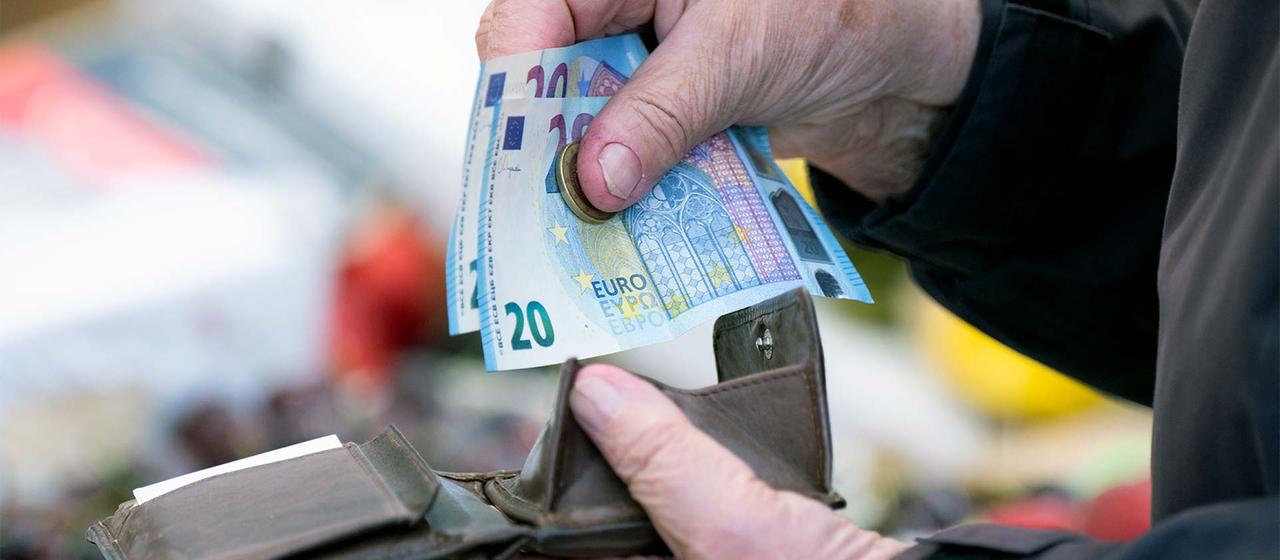
Dehoga’s official position points to Mastercard and Visa fees eating into razor-thin margins. They claim 90% of gastronomic businesses already accept cards voluntarily, making mandates unnecessary. This statistic, however, masks crucial details: many establishments impose minimum purchase requirements or only accept Girocard (the German debit system) while refusing credit cards.
The fee argument crumbles under scrutiny. Multiple studies show cash handling isn’t free, it requires secure transport, insurance, theft risk, and staff time counting tills. One Frankfurt gastronom reported that after switching to card-only, his annual tax audits stopped completely. His accounting now takes five minutes instead of hours. This pattern appears frequently in industry discussions, where the unspoken advantage of cash is its convenient opacity.
The German Tax Union (DSTG) has been blunt: cash transactions in gastronomy invite tax evasion. When a döner shop owner buys apartment blocks with “ice cream profits”, as one commenter noted, the system isn’t working as intended. The correlation between cash-heavy businesses and unexplained wealth isn’t conspiratorial, it’s statistical.
Who Pays When Cash Disappears?
The human cost of digital-only payment systems falls squarely on society’s margins. Elderly citizens who never adopted online banking, low-income households without smartphones, and young people without credit cards face systematic exclusion. The Verbraucherzentrale Bundesverband warns this creates a two-tier society where participation requires digital literacy and access.
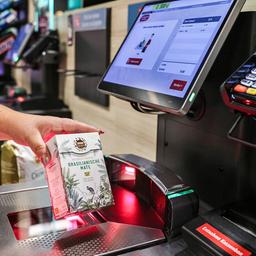
The Bundesbank’s own data presents a paradox: while 98.7% of test purchases allowed cash payment on first attempt, the experience of ordinary consumers tells a different story. Bureaucratic offices rejected cash in eight of thirty test cases. The rise of 38,650 self-checkout kiosks, more than double the 2023 figure, means cash acceptance is increasingly determined by machine design, not human choice.
The Gastronomy Gauntlet
Restaurants have become the front line because they exemplify the economic tension. A €3 coffee paid by card might cost the owner €0.10-0.15 in fees, arguably manageable. But Dehoga represents thousands of small family businesses operating on margins that make every cent matter.
The counterargument from consumer advocates is simple: Wahlfreiheit (freedom of choice). If 90% already accept cards, the burden falls on the remaining 10% who refuse. Why should customers hunt for ATMs because a business owner won’t invest in a terminal? The pandemic proved contactless payments are safe, fast, and preferred by younger demographics.
One Berlin café owner who switched to card-only reported a 20% increase in customers, particularly groups where one person pays for everyone. The convenience factor translates directly to revenue, making Dehoga’s resistance appear self-defeating.
The Political Chess Game
Here’s where it gets interesting: the SPD, traditionally the workers’ party, now pushes for mandatory digital payment acceptance. This seemingly contradicts their base, which includes many cash-reliant small business owners. The calculation appears to be long-term: digitizing transactions reduces gray-market labor and increases tax revenue, funding the social programs the SPD champions.
The Koalition has taken up the cause, potentially drafting legislation that would require businesses to accept at least one digital payment method. This aligns Germany with EU trends but faces fierce lobbying from Dehoga and small business associations.
The Hidden Cost of “Free” Digital Payments
While consumers enjoy seamless tap-to-pay convenience, the infrastructure costs are real. German payment terminals charge higher fees than Nordic countries, and many businesses pass these costs through higher prices. The promise of lower cash-handling costs only materializes if businesses fully commit to digital, but that creates dependency on payment processors who can raise rates once cash is eliminated.
Consumer advocates point to Sweden’s cautionary tale: after aggressive digitalization, elderly citizens faced such severe exclusion that the government backtracked, mandating cash acceptance in banks and pharmacies. Germany risks repeating this mistake if it follows the same path without safeguards.
What This Means for Your Wallet
The practical reality is that Germany is slowly becoming a card-payment country, whether Dehoga likes it or not. The question isn’t if, but how, and whether the transition protects everyone.
If you rely on cash:
– Expect more friction at modern establishments, especially chains with self-service kiosks
– Plan ahead: identify which local businesses still accept cash before visiting
– Consider a basic bank card, even a prepaid Girocard, for emergencies
If you run a business:
– Payment terminals now cost as little as €20/month, the “high fee” argument weakens annually
– Cash-only increasingly signals “tax optimization” to authorities and younger customers
– Hybrid models work: accept cards but offer small discounts for cash to cover fees
For everyone:
– Support the Bargeldquote proposal, preserving cash as an option costs society little but protects vulnerable groups significantly
– Question claims that cash is “free” or digital is “expensive”, both have hidden costs, just distributed differently
The Uncomfortable Truth
Dehoga’s resistance isn’t really about ice cream transaction fees. It’s about preserving a system where small businesses can operate with financial privacy, even if that enables some tax avoidance. The Verbraucherzentralen push for mandatory digital payments isn’t really about convenience. It’s about reducing tax evasion and increasing financial transparency.
Caught in the middle are ordinary Germans who just want to buy coffee without downloading an app, and small business owners who don’t want their every transaction tracked. The compromise, a robust Bargeldquote that guarantees cash acceptance while allowing digital expansion, serves both groups.
Germany’s Bargeld culture isn’t dying, it’s being negotiated out of existence. The outcome depends on whether policymakers prioritize tax enforcement or financial inclusion. For now, keep some coins in your pocket, but maybe learn your PIN code too.
The debate over payment methods reflects deeper questions about privacy, inclusion, and what kind of economy Germany wants to be. The answer probably involves both cash and cards, just not on the terms either lobby currently demands.