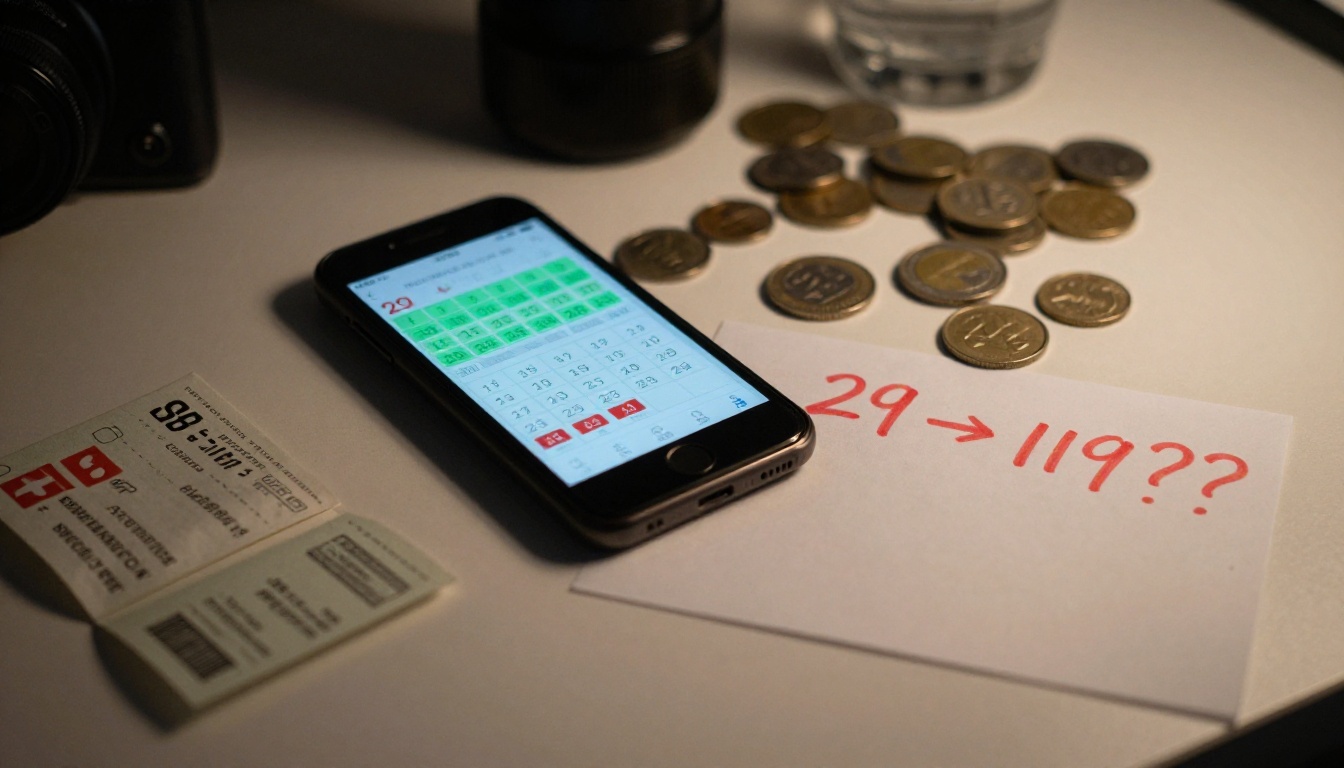
Switzerland’s public transport system runs with the precision of a Swiss watch, until you try to figure out what your ticket should actually cost. Then the gears grind to a halt. A developer in Zurich recently built a tool that lays bare this dysfunction: Day Pass Tracker, an app that cuts through SBB’s pricing fog to show you exactly when you can travel across Switzerland for as little as CHF 29. The real story isn’t the app itself. It’s what the app reveals about how Swiss mobility pricing systematically penalizes people who don’t have hours to decode it.
The CHF 200 Problem Hiding in Plain Sight
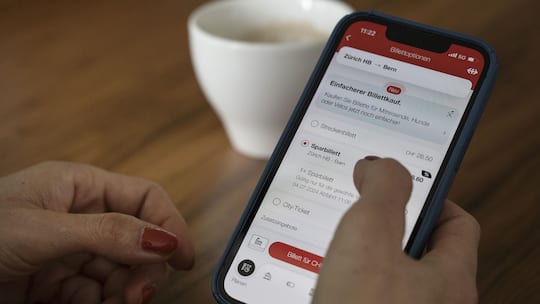
The Saver Day Pass (Sparbillette in German) sounds simple enough: book early, pay less. In practice, it’s a dynamic pricing labyrinth where the same route can cost anywhere from CHF 29 to CHF 119 depending on booking timing, demand, and whether you hold a Halbtax (half-fare travel card). The official SBB website and app show you prices one date at a time. Want to compare next month? Click, wait, back, click, wait, back. For a two-person household planning a weekend trip, this tedious process can easily waste 30 minutes, and cost you CHF 80 if you pick the wrong Saturday.
Many travelers report spending entire evenings cross-referencing dates, only to discover that booking one day earlier would have halved their fare. The frustration peaks during peak seasons when prices fluctuate daily. A February ski weekend might show CHF 52 on Friday and CHF 119 on Saturday for the exact same journey. Without a comparison tool, you’re essentially gambling with your travel budget.
When a Side Project Becomes Essential Infrastructure
Timothy Pillow, a Zurich-based developer, built Day Pass Tracker after his own exasperation with this system. The app scrapes publicly available SBB pricing data and visualizes it across calendars and graphs. You can instantly spot CHF 29 dates, filter by class, and see price trends. The iOS and Android versions cost CHF 1, less than the price difference of booking one wrong day. A free web version exists at daypasstracker.ch, though the developer admits it’s “ugly” and ad-supported.
The app’s genius lies in its simplicity. It doesn’t sell tickets. It just shows you when to buy them. One user noted that prices start at their lowest point and only increase based on demand, meaning early booking through the tracker can lock in the CHF 29 fares before they disappear. The tool also reveals patterns: mid-week days in late March hit CHF 61, while summer weekdays regularly drop to CHF 52. For Halbtax holders, second-class fares can plunge to CHF 39, and occasionally CHF 29.
This isn’t just convenience, it’s financial defense. A family of four traveling twice monthly could save over CHF 600 annually by targeting the cheapest dates. That’s real money in a country where personal finance optimization in high-cost Switzerland isn’t just smart, it’s survival.
The Official Gap That Enables Fintech Workarounds
SBB knows its interface frustrates users. The official SBB Mobile app automatically shows if Sparbillette are available for a specific connection, but it refuses to show you the bigger picture. Why? Possibly because transparent pricing would reduce revenue from confused customers who book expensive dates unnecessarily. Or perhaps it’s institutional inertia, the state-owned railway has little competitive pressure to improve user experience.
This creates a perfect opening for fintech solutions that operate in the gaps between official services. Just as fintech solutions for everyday Swiss financial challenges are emerging to solve problems traditional banks ignore, mobility fintech is stepping up where SBB won’t. The tracker app collects zero user data, a stark contrast to the data-hungry models of many startups. It’s a refreshingly honest approach: pay a franc, get the information, and buy directly from SBB.
The app’s success highlights a broader Swiss trend: consumers increasingly rely on third-party tools to navigate opaque systems. Whether it’s comparing mobile plans, tracking supermarket deals, or decoding tax declarations, the pattern repeats. Official channels provide the raw data but hide the insights. Independent developers extract the value.
The Special Offer Wildcard
Complicating matters further, retailers like Coop and Interdiscount occasionally sell Special Day Passes for CHF 55 without requiring a Halbtax. Available from February 5 to March 4, 2026, these passes are valid until April 1 and offer full GA-area coverage. For spontaneous travelers, this can beat even the best Saver Day Pass prices.
But there’s a catch: the passes must be redeemed by a fixed deadline, and they’re not always cheaper for Halbtax holders. As one traveler calculated, if you’re booking more than eight days ahead, the standard Saver Day Pass with Halbtax often costs less (CHF 54 vs. CHF 55). The tracker app helps you identify these edge cases, showing whether the retail offer actually saves money or just creates the illusion of a deal.

What This Means for Swiss Mobility’s Future
The Day Pass Tracker represents more than a clever hack. It signals that Swiss consumers expect the same transparency in mobility that they’re starting to demand in banking. The gap between fintech promises and real-world Swiss financial infrastructure has taught users to verify everything. They’re applying that skepticism to SBB’s pricing, and they’re not pleased with what they find.
The railway’s response will be telling. It could embrace transparency by building similar comparison features into its own platforms. Or it could crack down on third-party scrapers, citing terms of service violations. The latter would protect short-term revenue but fuel public resentment. The former would require admitting that their current interface serves shareholders better than riders.
For now, the app operates in a gray zone. It uses publicly available data but isn’t affiliated with SBB. The railway could shut it down with a single API change, but that would spark a backlash they likely want to avoid. The smarter move would be acquiring or licensing the technology, though Switzerland’s bureaucratic procurement process makes that unlikely.
Practical Takeaways for Commuters
Until SBB reforms its pricing display, here’s how to protect your wallet:
- Use the tracker religiously: Check daypasstracker.ch or pay CHF 1 for the mobile app. The time saved alone justifies the cost.
- Book 30-60 days ahead: The data shows prices bottom out at CHF 29-CHF 52 for second class when booked far enough in advance. Last-minute bookings regularly hit CHF 119.
- Halbtax changes the math: If you travel more than twice monthly, the CHF 190 annual fee pays for itself. Combined with the tracker, it unlocks sub-CHF 40 fares.
- Retail offers need scrutiny: That CHF 55 Coop pass looks tempting, but plug your travel date into the tracker first. For Halbtax holders booking ahead, it’s often more expensive.
- Watch for patterns: The tracker reveals that Tuesdays and Wednesdays in late spring consistently offer the lowest prices. School holidays and summer weekends command premiums.
The Bottom Line
Switzerland’s public transport remains excellent, but its pricing transparency is stuck in the 1990s. Day Pass Tracker proves that exposing complexity creates value. It also exposes how much money travelers lose to opacity. In a country where every franc counts, that’s not a minor issue, it’s a structural failure that fintech is finally forcing into the open.
The app’s CHF 1 price tag is a deliberate statement: this information should be free, but building the tool wasn’t. It’s a model for Swiss fintech going forward: solve specific pain points, charge fairly, and don’t get greedy with user data. Whether SBB learns from this or tries to litigate it away will determine if Swiss mobility pricing enters the 21st century or remains a lucrative puzzle for insiders to solve.
For now, download the tracker, book those CHF 29 days, and enjoy the quiet satisfaction of beating a system designed to confuse you. The SBB trains will still run on time. Your bank account will just thank you more.