Swiss Credit Cards: The ‘Free’ Rewards Trap That Costs You CHF 200+ Per Year
Switching from debit to credit in Switzerland feels like upgrading from a bicycle to a Tesla. The banks promise effortless rewards, travel perks, and cashback that practically pays your rent. But here’s the uncomfortable truth: most first-time credit card holders in Switzerland end up losing money, sometimes hundreds of francs annually, because they optimize for the wrong variables.
The Swiss payment landscape has shifted dramatically. While credit cards remain the dominant payment method at 52% of transactions, mobile payments have surged to 19%, nearly overtaking cash at 20%. Yet this convenience comes with hidden costs that can turn your dream of “something small in return” into a financial drain.
The “Best” Swiss Credit Cards: A Reality Check
Certo One Mastercard: The Practical Choice
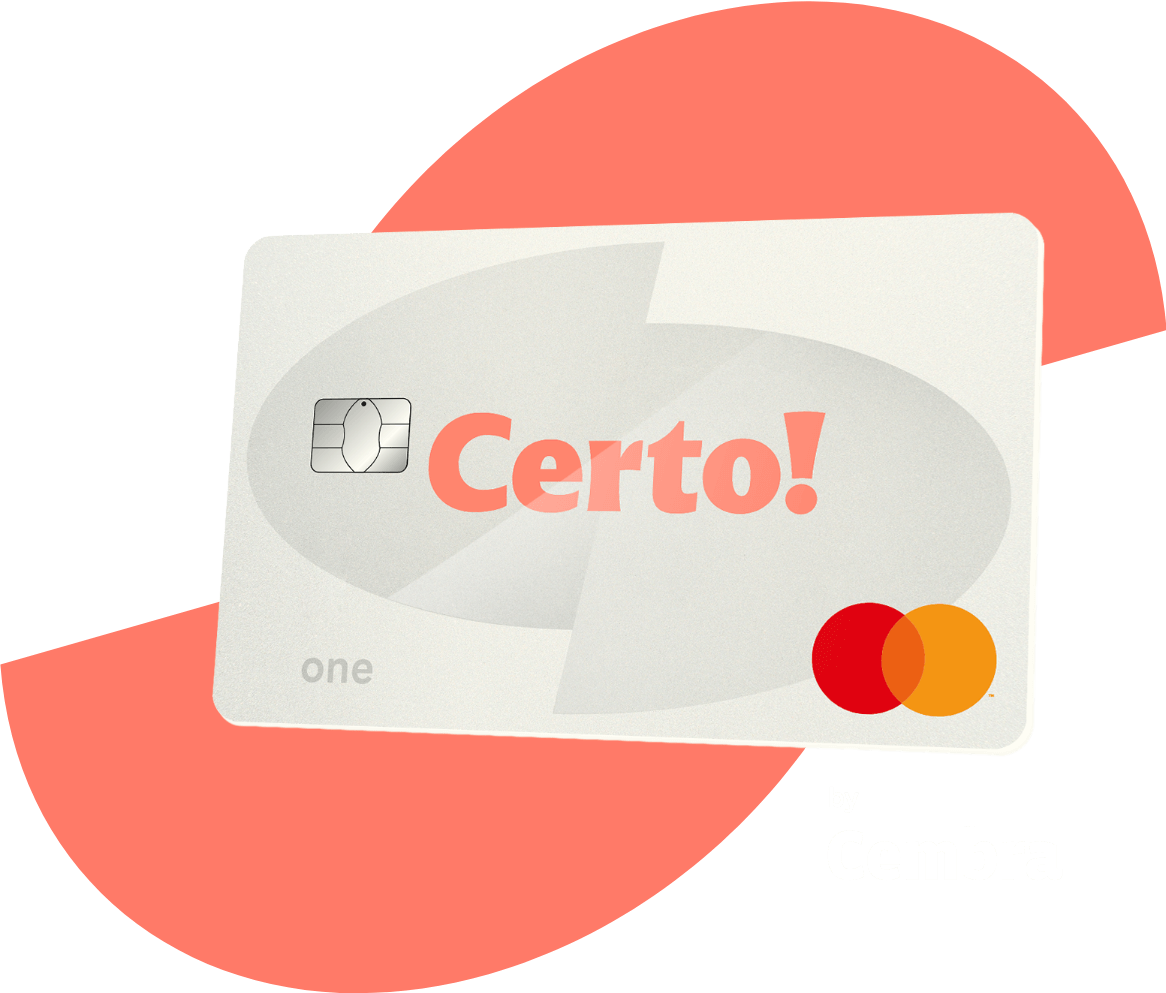
The Cembra Certo One has emerged as the default recommendation for good reason. It offers 1% cashback at three selectable shops (Migros, Lidl, Coop) and 0.3% elsewhere, with no annual fee. For our CHF 15,000 spender, that’s CHF 120 in rewards minus CHF 75 in foreign fees = CHF 45 net gain.
But there’s a critical caveat: foreign transactions still cost 1.5%. The card works brilliantly for Swiss purchases but becomes expensive abroad. This is why many users pair it with a separate solution for foreign spending.
Swisscard Cashback: The Acceptance Problem
Swisscard’s American Express offers 1% cashback everywhere, a higher flat rate than Certo One. The catch? Amex acceptance in Switzerland hovers around 80%. You’ll be fine at gas stations, Migros, and large retailers, but Aldi, Lidl, and many smaller merchants will reject it.
The pack includes a Visa backup card, but juggling two cards complicates tracking. And as our Reddit user discovered, Swisscard’s foreign exchange policies can be opaque. Their 2024 change, adding 2.5% fees on CHF transactions from foreign-registered merchants, wasn’t clearly communicated, turning loyal customers into accidental fee-payers.
Pro Tip: Before committing to any premium card, verify acceptance rates at your specific frequented locations. What looks great on paper may become useless in practice.
Miles & More: The Travel Mirage
Swiss Miles & More Mastercard tempts frequent flyers with award miles, but the numbers are brutal. At CHF 120 annual fee plus 2.5% foreign charges, our sample user loses CHF 245 annually to earn 8,500 miles. A Zurich-Hong Kong business class ticket requires 70,000 miles, meaning eight years of losses to get one “free” flight worth CHF 800. You’d spend CHF 2,000 in fees to save CHF 800.
This is the Swiss version of travel hacking: expensive, slow, and optimized for corporate spenders, not normal residents.
The Foreign Transaction Fee Nightmare
Here’s what makes Switzerland uniquely expensive for credit cards: every provider adds surcharges for foreign currency transactions, typically 1.5-2.5%. But the real scandal is CHF-denominated purchases from foreign merchants.
One user reported Swisscard charging 2.5% on a CHF purchase because the company’s registration was abroad. “If I agree to pay CHF, why am I covering an exchange fee?” they asked. The answer: because Swiss card issuers can. This practice turns online shopping into a minefield, you never know if that CHF 50 Amazon purchase will cost CHF 51.25 until the statement arrives.
🚨 Red Flag Scenarios
- Online stores registered in US/EU charging CHF
- Subscription services with overseas headquarters
- Digital downloads from international platforms
✅ Better Alternatives for Foreign Spending
- Neon Bank: Mastercard with 0.75% surcharge
- Alpian: Only 0.20% charge
- WIR Bank Top: No foreign transaction fee
Trade-off alert: Some car rentals and hotels require a true credit card, making this a strategic decision rather than a universal solution.
Who Actually Benefits from Premium Cards?
Cornercard Platinum at CHF 500/year makes sense only for very specific profiles. At 1.5% cashback (dropping to 0.9% in April), you need to spend CHF 33,000+ annually just to break even.
The unlimited Priority Pass lounge access for two people can justify the cost for families who travel frequently, one user with four children reported never paying for airport lounges again.
Reality check: For most residents, the math fails. Premium cards target high spenders who can route business expenses through personal cards, or travelers who value lounge access at CHF 50+ per visit. If you’re reading a guide about your first credit card, you’re not the target audience.
The First-Timer’s Survival Strategy
Step 1: Track Your Actual Spending
Before applying for any card, analyze 12 months of bank statements. How much do you spend in Switzerland vs. abroad? At which specific merchants? This data determines whether Certo One’s shop-specific 1% or a flat 0.3% serves you better.
This is where protecting your financial data through secure budgeting tools becomes critical. Many free budgeting apps sell your spending patterns to third parties, including credit card companies who use it to target you with “optimized” offers that benefit them more than you.
Step 2: Minimize Fees, Not Maximize Rewards
Your primary goal is not to earn cashback, it’s to avoid paying banks for the privilege of spending your own money. A free card with 0.3% cashback beats a CHF 100 annual fee card with 1% rewards until you spend over CHF 14,285 annually.
For foreign transactions, accept that you’ll need a separate strategy. Either use a low-fee debit card or accept the 1.5% surcharge on rare occasions. The worst approach is using your Swiss credit card for all foreign spending and hoping the rewards offset the fees, they won’t.
Step 3: Automate Full Payment
Switzerland has no credit score system. Carrying a balance to “build credit” is pure mythology that costs you 12-14% interest annually. Set up automated monthly payments for the full balance. Treat your credit card like a debit card with a 30-day delay.
This discipline matters because lifestyle inflation creeps in easily. Many high earners fall into the 200k CHF trap: why Switzerland’s highest earners end up broke by optimizing for rewards while overspending.
Step 4: Scrutinize the Fine Print
Swiss banks advertise rates with the same precision as a watch catalog, but the real terms hide in footnotes. When Cornercard Platinum announced their cashback dropping from 1.5% to 0.9%, they buried it in a March update. Users who didn’t review their email faced a 40% reward cut overnight.
This is similar to scrutinizing advertised banking rates and fees for mortgages. The published rate is a starting point for negotiation, not a final offer.
The Verdict: Keep It Simple
🎯 Recommended Strategy for First-Time Holders
Use for Swiss purchases at main supermarkets
1% at 3 selected shops, 0.3% elsewhere
Use for foreign transactions, online shopping
Low-fee debit solution, 0.2-0.75%
Calculate your net gain before upgrading
Only then consider Swisscard or premium cards
This two-card approach requires more mental overhead but saves CHF 100-200 annually. After one year, calculate your net gain. If you spent CHF 20,000+ in Switzerland and rarely shop abroad, consider adding a Swisscard Amex for the 1% flat rate. If you travel frequently, run the numbers on Cornercard Platinum’s lounge access versus buying Priority Pass directly.
But never start with a premium card. The banks want you to believe that better rewards justify higher fees. In Switzerland’s tightly controlled market, the opposite is true: the best card is usually the cheapest one with acceptable rewards, not the most generous one with hidden costs.
Your wallet, and your budget, will thank you for resisting the upgrade temptation until the math clearly proves otherwise.
