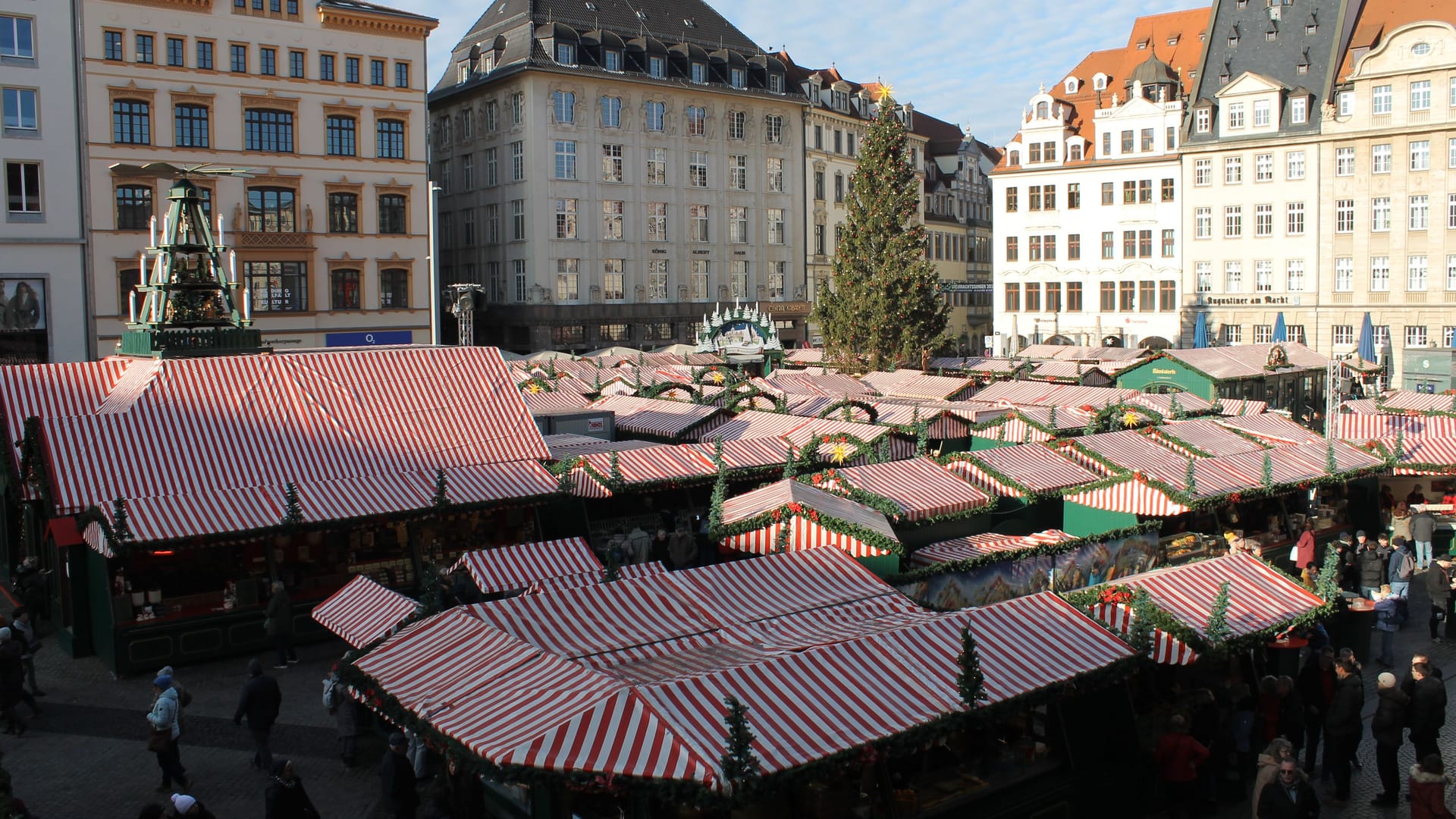
Jens Hardt, a painter from NRW, did the math after a weekend visit to the Düsseldorf Weihnachtsmarkt with his wife and eleven-year-old daughter. Three hours. €300 gone. “I fell backwards”, he told local media, his wallet considerably lighter. The story, which spread rapidly across Germany, has reignited a heated conversation about whether the country’s cherished Christmas markets have become a luxury few families can afford.
The breakdown is sobering: €30 for three portions of currywurst and fries. Another €30 for candied almonds and cotton candy. Ice skating with rented skates: €15. Then came the Glühwein, eight cups each for the parents at €5 per cup, plus €2 for the “Schuss” (shot of rum). That’s €112 just for warm wine. Add a few carousel rides and some novelty socks, and suddenly you’re staring at a €300 tab for what used to be an affordable family tradition.
The Inflation Reality Check
Hardt’s experience isn’t an outlier, it’s a reflection of broader economic pressures hitting Germany’s 3,250 Christmas markets. Since 2022, food costs have jumped 41%, electricity 38%, and personnel expenses 40%. The German Showmen’s Association reports that operational costs have surged across the board, forcing vendors to make difficult decisions about pricing.
Stefanie Kobelt, who runs the Finnish Village at the Leipzig Weihnachtsmarkt, has held her flamed salmon sandwich price steady at €8.50 despite rising costs. “It’s a balancing act between profitability and customer appeal”, she explains. Her strategy involves cutting energy use, turning off Christmas tree lights overnight and switching to LED signs, but she admits the energy burden remains enormous.
The numbers tell a stark story. German Christmas markets recorded 170 million visits last year, generating €4.17 billion in revenue, a 45% increase from the previous year. But that growth comes with a caveat: visitors spent 36% more per person, averaging €24.50 each. The markets are making more money, but people are paying significantly more to attend.
Security Costs: The Magdeburg Effect
Beyond inflation, there’s another cost driver that few visitors see on their receipt: security. After the devastating attack on the Magdeburg Christmas market last year, municipalities across Germany scrambled to implement new safety measures. In Leipzig alone, new access barriers cost €1.4 million. Security personnel requirements increased. Vendors now face strict vehicle access controls, Kobelt had to manually haul 1,000 liters of Glögi across the market when her delivery truck arrived after opening hours without the proper permit.
Marktamtsleiter Walter Ebert acknowledges the financial strain. “We’re currently examining how to share these costs with vendors”, he says, a statement that worries many small operators. For some, like ceramic artist Gabriela Roth-Budig, any additional fees might be the final straw. “Then we’ll all pull out”, she warns, already frustrated that the city offers free stalls to rotating artists while she pays full fees for her permanent stand.
The Vendor’s Dilemma
Not all vendors are struggling equally. Daniel Seiferth, a crepe seller in Leipzig, operates year-round at festivals and events. He considers the Christmas market his best business of the year, with electricity costs that feel “moderate” compared to what he pays at music festivals. His higher prices, justified by handmade ingredients from apple sauce to salted caramel, don’t deter customers seeking quality.
But for others, the math is brutal. The Finnish Village operators rely on their Christmas market income to support five full-time employees and year-round logistics. For them, the four-week season must finance the entire year. When families like the Hardts cut back on spending, the ripple effects are immediate.
Is It Still Worth It?
The controversy cuts to the heart of a cultural institution. Christmas markets aren’t just commercial enterprises, they’re community gathering spaces, tourist attractions, and for many, an essential part of German identity. Yet the perception of being “ripped off” is growing.
A SPIEGEL investigation found prices that raised eyebrows: €20 for potato pancakes, €6 for bratwurst, €8 for Glühwein. But the article also questioned whether these prices reflect reality or perception. The “feeling” that markets are expensive might stem from the bundled nature of the experience, small purchases add up quickly when you’re paying for atmosphere, tradition, and convenience.
Hardt’s final assessment was blunt: “A proper family with two children can no longer afford the Christmas market. Sad!” His words resonate with many middle-class families who’ve started budgeting for the visit like a minor vacation.
Practical Survival Strategies
For those unwilling to abandon the tradition entirely, veterans suggest several approaches:
Eat before you go. Have a proper meal at home and treat market food as snacks, not dinner. That €10 currywurst stings less when you’re not depending on it for sustenance.
Set a strict budget. Bring cash and leave cards at home. When the allocated €50 is gone, it’s gone.
Visit smaller, local markets. Neighborhood markets often have lower prices than flagship events in Düsseldorf, Cologne, or Nuremberg.
Go on weekdays. Some vendors offer slight discounts during slower periods.
Share portions. That €8.50 salmon sandwich can easily feed two people as a snack.
Skip the alcohol. At €5-7 per cup plus deposits, Glühwein is often the biggest budget killer. A single cup for the experience, then switch to Kinderpunsch.
The Future of a Tradition
The €300 Düsseldorf visit represents a collision between tradition and economic reality. Municipalities face rising security costs and budget pressures. Vendors grapple with inflation and staffing challenges. Families confront stagnant wages and increased cost of living.
Some markets are adapting. Leipzig’s “creative huts” program gives rotating artists free stalls, though this creates tension with permanent vendors. Others are experimenting with ticketed entry during peak hours, a controversial move that could fundamentally change the open-market character.
The German Christmas market isn’t disappearing, but it’s evolving from an affordable family outing into a premium experience. For vendors like Kobelt, the calculation is simple: “People want Christmas market again.” The question is whether they can still afford it.
As Hardt’s experience shows, three hours of holiday cheer now costs what a weekend getaway once did. For a tradition built on community accessibility, that might be the most sobering statistic of all.