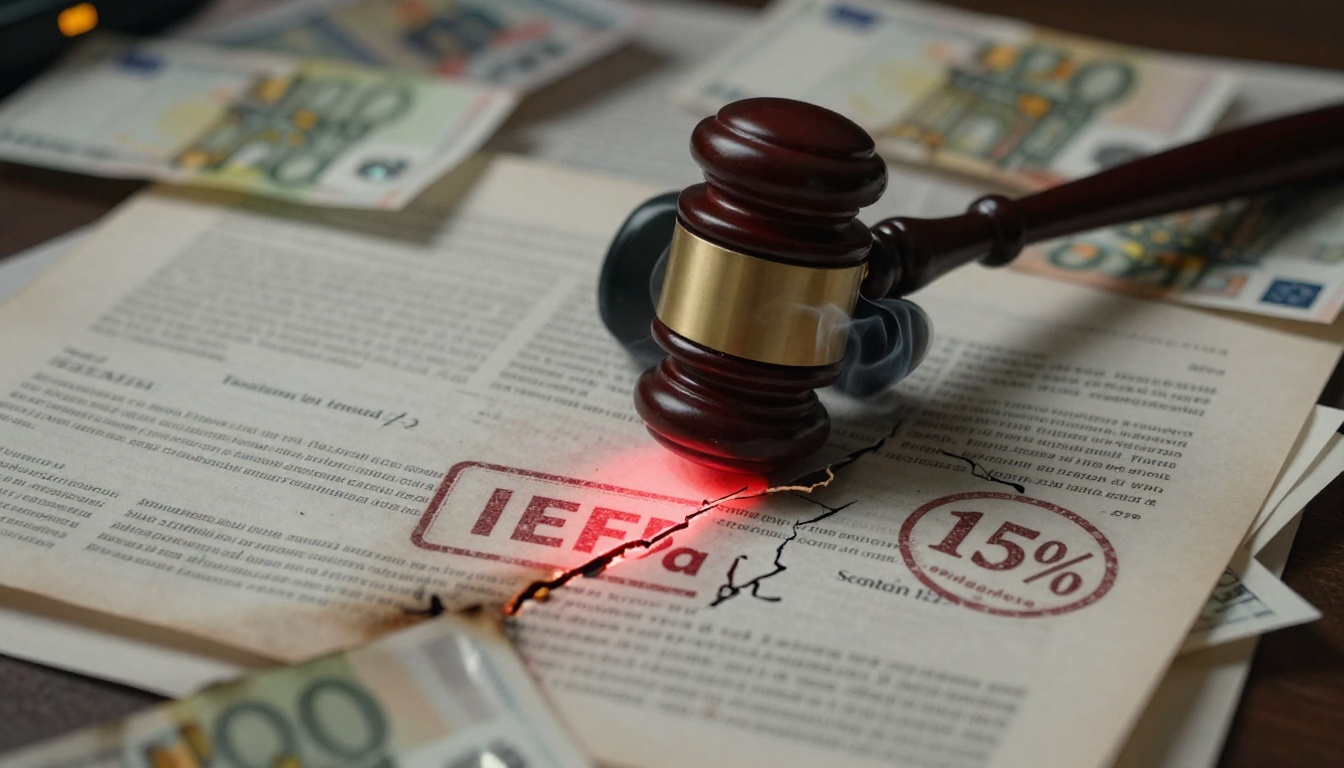
The US Supreme Court just handed Donald Trump his biggest defeat of his second term, striking down most of his signature tariffs as illegal. Markets should be celebrating. German exporters should be breathing easy. Instead, everyone is holding their breath. Within hours, Trump announced a new 15% global tariff, leaving investors in Germany facing the same old uncertainty, just with different legal paperwork.
What the Supreme Court Actually Decided
The Oberster Gerichtshof (Supreme Court) ruled 6-3 that Trump exceeded his presidential powers by using a 1977 national emergency law, the International Emergency Economic Powers Act (IEEPA), to impose sweeping tariffs without congressional approval. The court made it clear: only the US Congress has constitutional authority to levy tariffs. Using emergency powers for trade disputes was a legal stretch too far.
This decision affects the 15% baseline tariff on most EU goods, including German cars, industrial machinery, and chemical products. It also impacts the varying tariffs on dozens of other trading partners. Companies and twelve US states had sued, arguing the president overstepped his bounds. They won decisively.
Trump’s Immediate Retaliation: From Defeat to 15% Threat
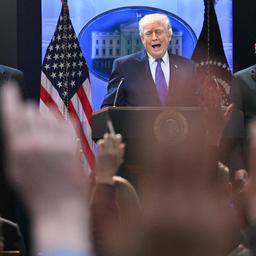
Trump didn’t take the loss well. He called the decision “ridiculous” and “extraordinarily anti-American”, shaming the justices who ruled against him. Then he did exactly what many feared: he announced new tariffs anyway.
First, he signed an order for a 10% global tariff based on a 1974 trade law. Hours later, he increased it to 15%, claiming it was “legally permissible and fully vetted.” The new tariffs are set to take effect February 24th and last 150 days, after which he’d need congressional approval to extend them.
The legal basis is Section 122 of the Trade Act of 1974, which allows temporary tariffs during “large and serious” balance-of-payments difficulties. Experts immediately questioned whether the US economy meets those criteria. The irony? The same day, US trade deficit data showed only modest improvement from his previous tariffs.
Why German Investors Are Still Nervous
German investors initially welcomed the ruling. The DAX showed modest gains, and export-heavy stocks like Siemens, BMW, and BASF ticked upward. But the relief was short-lived. Many international investors report that the new tariff announcement triggered immediate portfolio recalculations, with some calling this the most confusing trade policy environment they’ve ever navigated.
The core problem remains: uncertainty. As one Handelsausschuss (trade committee) official in the EU Parliament noted, stability and predictability are essential for business. Trump’s legal workaround means the policy goalposts haven’t moved, they’ve just been repainted.
For Germans with exposure to US markets, this creates several concrete problems:
- Supply chain costs remain unpredictable: German manufacturers with US operations still face input cost uncertainty
- Currency hedging becomes more complex: Euro-dollar volatility increases with each policy swing
- Dividend impacts: US-listed German companies may face continued margin pressure
The €175 Billion Refund Question
Here’s where it gets legally messy. The Supreme Court didn’t rule on whether the US must refund tariffs already collected, estimated at $175 billion (approximately €165 billion). This includes significant sums paid by German exporters and their US importers.
EU Parliament trade chief Bernd Lange estimates German companies alone overpaid by more than €100 billion. Theoretically, these companies could claim refunds through the US Court of International Trade. But the process is a bureaucratic nightmare.
As US Supreme Court Justice Brett Kavanaugh warned in his dissent, refunding could become “chaotic.” Each importer might need to file individual claims. The US government could tie up cases for years. For German Mittelstand companies without massive legal departments, the cost of recovery might exceed the refund.
EU and Germany’s Measured Response
The EU Commission’s reaction was carefully worded: “We are analyzing the ruling carefully and remain in close contact with the US administration.” The message was clear, Brussels wants stability, not victory laps.
German government spokesman statements echoed this: “We have taken note of the Supreme Court decision and remain in contact with the US government for clarity and stability.”
French President Emmanuel Macron was more direct, welcoming the decision as a sign of Rechtsstaatlichkeit (rule of law) functioning in a democracy. But he immediately pivoted to the new threat: “We will examine the consequences of Trump’s new 10% tariffs, but we will continue to export.”
The underlying fear in Berlin and Brussels is that Trump will now weaponize the 1974 Trade Act aggressively, creating a permanent state of “temporary” 150-day tariff cycles.
What This Means for Your Portfolio
If you’re an international resident in Germany with ETF investments, this ruling changes less than you might hope. The investor concerns about European ETFs amid trade tensions remain valid. In fact, the new legal pathway Trump is using might be harder to challenge in court, making tariffs more durable in practice.
For those heavily invested in German exporters, the fundamental risk hasn’t disappeared. Companies like Volkswagen, SAP, and Siemens still face potential US market access restrictions. The tariff level might be 15% instead of the previous 15% basis rate, but the impact on earnings estimates remains.
More concerning is how this trade instability intersects with European tax policy discussions. Some German investors already worry that fears of taxing unrealized ETF gains in Germany could combine with trade losses to create a double hit on returns. While these are separate issues, the general climate of policy unpredictability makes long-term planning harder.
Additionally, the potential European wealth tax reforms inspired by Dutch policies could further complicate investment calculations. When trade policy and tax policy both become moving targets, portfolio stress testing becomes essential rather than optional.
The Project 2025 Connection
Many observers note that Trump’s tariff persistence aligns with the broader Project 2025 agenda, a detailed plan to concentrate executive power. The Supreme Court’s pushback represents a rare institutional check. But as German political analysts watching US developments have noted, the plan’s advancement means we should expect creative legal workarounds.
The fact that two Trump-appointed justices (Neil Gorsuch and Amy Coney Barrett) joined the majority suggests even conservative judges have limits when presidential power clearly overreaches. This might restrain future tariff attempts, but it won’t stop them.
Timeline: What Happens Next
Immediate (February 24): New 15% tariffs take effect under 1974 Trade Act authority
150-day mark: Trump must decide whether to seek congressional approval or let tariffs lapse
Ongoing: Court of International Trade will begin processing refund claims, likely taking years
March: EU Parliament’s trade committee holds special sessions to reassess US trade strategy
German companies must now decide whether to absorb costs, pass them to consumers, or restructure supply chains. For investors, this means earnings guidance for Q2 and Q3 2026 will be crucial indicators of how severely companies are affected.
Actionable Takeaways for German Investors
- Don’t overreact to the Supreme Court win: The policy substance hasn’t changed, only the legal form
- Review US exposure: Calculate what percentage of your portfolio’s revenue comes from US sales
- Hedging matters: Consider currency hedging for US positions, as euro strength could hurt exporters further
- Watch refund claims: If you’re a business owner who paid these tariffs, consult a trade lawyer about recovery options, but budget for a long process
- Diversify trade exposure: Look for companies with balanced global operations, not just US-focused exporters
The Supreme Court’s decision is legally significant but practically limited. Until Congress reasserts its trade authority, or Trump exhausts his legal alternatives, German investors should prepare for more tariff turbulence. The German banking system operates with the same efficiency as a Deutsche Bahn train, usually impeccable, until there’s construction on the line. Right now, the transatlantic trade track is all construction, no timetable.