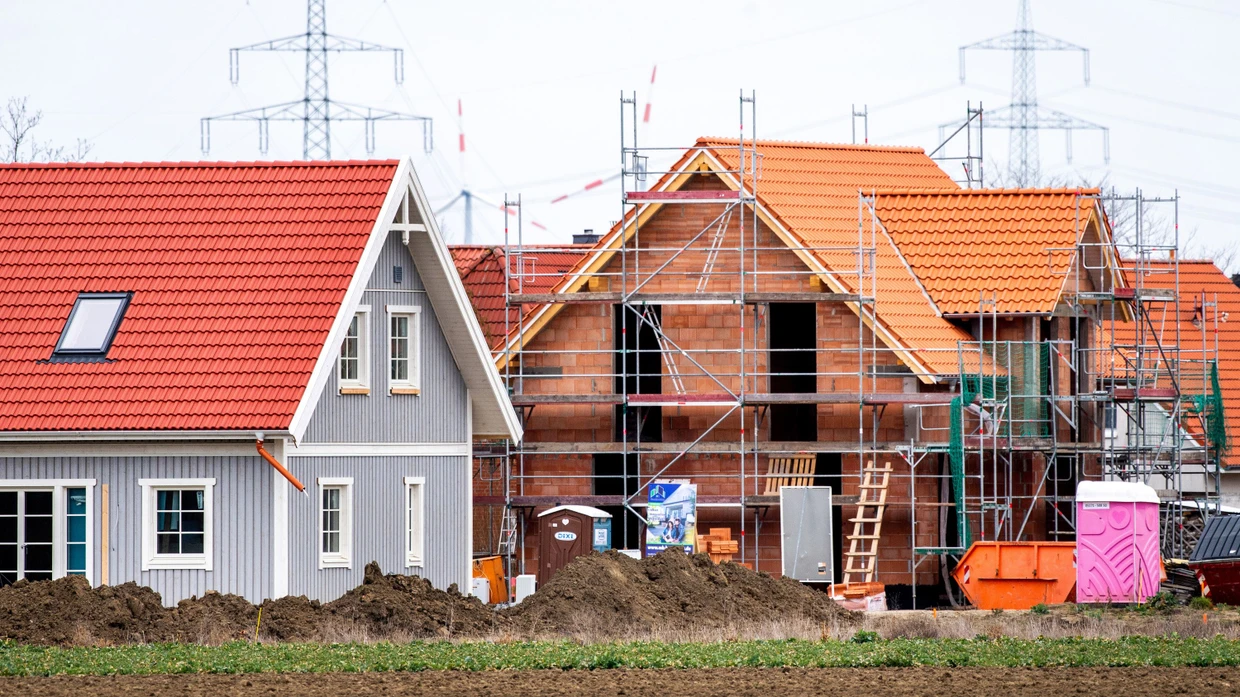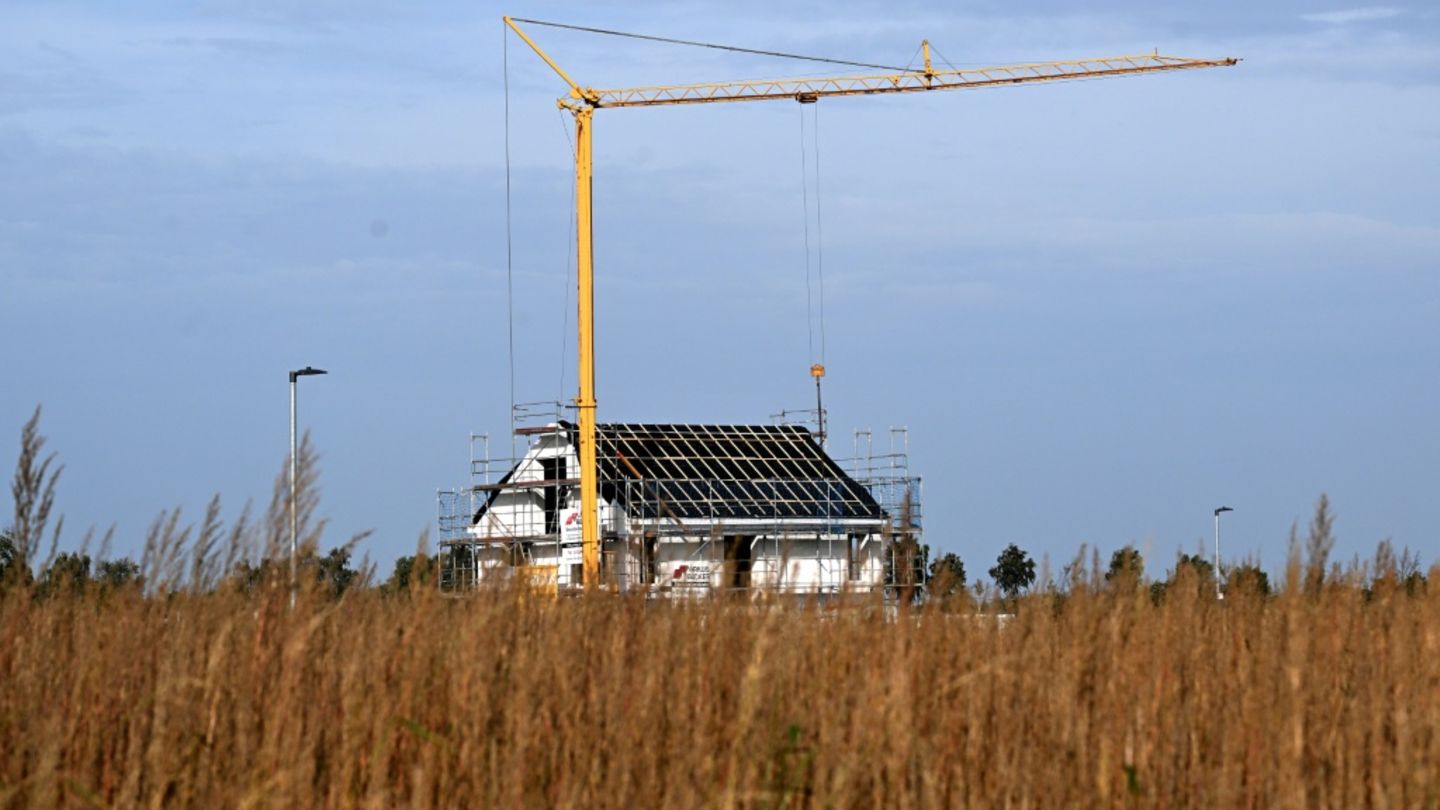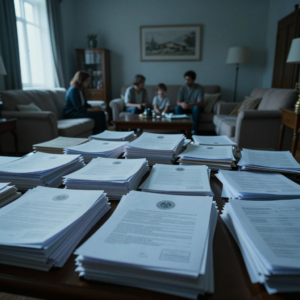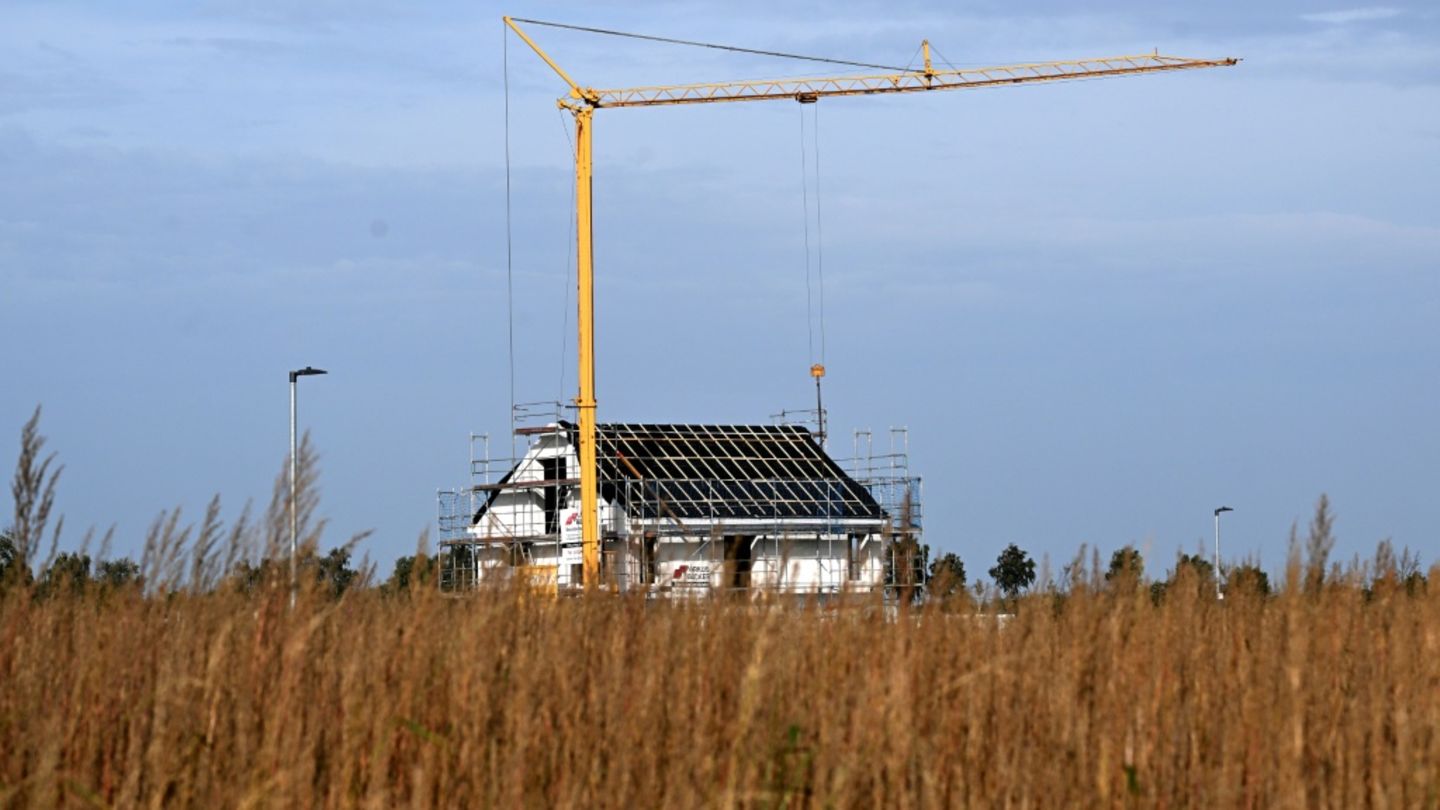
If you’re a millennial in Germany dreaming of a place to call your own, brace yourself: you need to save for 14 years to scrape together the necessary down payment. Your parents? They managed it in 7. That tidy 105-square-meter apartment in a solid Neubaugebiet that cost them three years’ salary now demands more than five. The math is brutal, and according to researchers at the Kiel Institute for World Economics, it’s creating a two-tier society where property ownership depends less on your salary and more on your family tree.
The Equity Wall: Why Monthly Payments Are the Wrong Metric
Conventional wisdom blames rising mortgage rates for the affordability crisis. The data tells a different story. Baby boomers in the 1980s spent roughly 20% of their disposable income on mortgage payments. Today’s millennials spend about 25%, hardly a catastrophic jump. The real gut punch lies in the Eigenkapital requirement.
In the 1980s, buying a standard Wohnung required 1.7 times your annual household income as a down payment. For a house, you needed 3.6 times your salary. Today, those figures have ballooned to over 3 times for an apartment and more than 5 times for a house. During the recent property boom’s peak, it hit 7 times annual earnings. This isn’t a gradual shift, it’s a structural rupture.
German banks remain conservative, rarely financing more than 80% of a property’s value. When a modest 450,000-euro apartment requires 90,000 euros in cash plus another 15,000 in purchase costs, you’re looking at over 100,000 euros before you even collect the keys. For a generation already grappling with stagnant wages, rising rent, and the GEZ fee nibbling at their budget, that’s not a hurdle, it’s a fortress wall.
The Grunderwerbstez Trojan Horse
While property prices grab headlines, the Grunderwerbsteuer (land transfer tax) operates as a silent wealth extractor. Most German states have hiked this tax significantly over the past two decades, turning what was once a manageable fee into a substantial barrier. On that 450,000-euro apartment, you’re paying between 3.5% and 6.5% depending on your Bundesland, up to 29,250 euros in cold, hard cash.
This tax hits at the worst possible moment: when your liquidity is already drained by the down payment. Unlike mortgage payments, which you can spread over decades, the Grunderwerbsteuer demands immediate payment. No financing, no payment plans. For young buyers without family support, it often means delaying purchase by years to save not just for the property itself, but for the privilege of buying it.
The Inheritance Economy: When Family Becomes Your Mortgage Bank
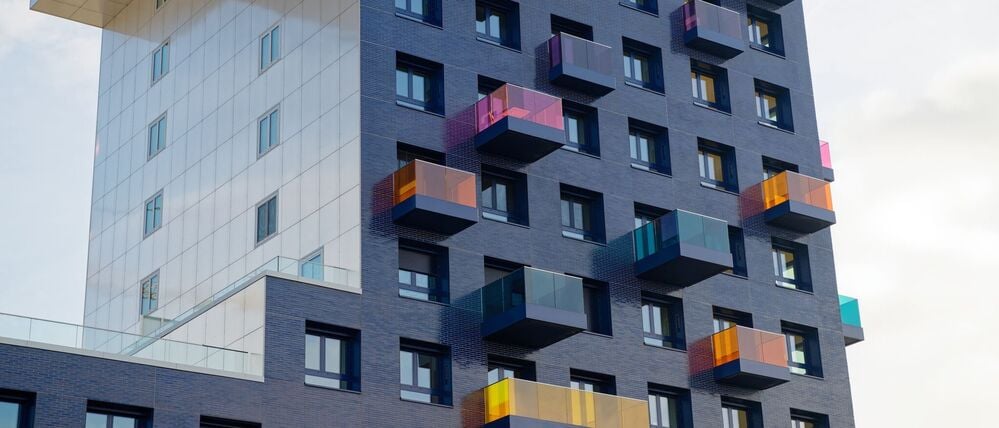
The Kiel Institute researchers point to a troubling trend: familiäre Transfers have become the primary path to homeownership. Without a timely Erbschaft or substantial Schenkung from parents, most millennials simply can’t clear the equity threshold. This creates a feedback loop where property wealth concentrates within families who already own it.
A colleague recently confessed that his entire friend group in Berlin, doctors, engineers, a software developer, has given up on independent property purchases. Those who managed to buy did so because their parents either co-signed with substantial equity or transferred a property directly. The rest continue renting, watching their savings lose purchasing power as prices climb faster than their Sparbuch interest.
This dynamic doesn’t just delay homeownership, it restructures social mobility. In post-war Germany, property ownership was a ladder between classes. Today, it’s increasingly a moat protecting generational wealth.
Why Building More Isn’t Enough
The obvious solution, build more housing, runs into a web of structural constraints. Many communities have spent decades creating Bebauungspläne that max out at two units per plot. Owners of single-family homes on 800-square-meter lots face legal barriers to adding a Doppelhaus or splitting their property.
The NIMBY phenomenon plays out predictably: residents who secured their properties under permissive rules now fight to preserve their neighborhood character by blocking new density. One resident in a prosperous Stuttgart suburb famously organized protests against a planned townhouse development, arguing it would “destroy the village feel”, while her own 250-square-meter house sat on a 1,000-square-meter lot, a configuration now illegal to build.
Meanwhile, the Überakademisierung of German society has hollowed out the trades. In the 1980s, it was common to have an uncle who could lay tiles and a cousin who understood basic plumbing. Today, a generation of Büroheinis, office workers who can’t change a faucet, faces a shortage of skilled craftspeople. Those who do enter the trades often can’t afford to live where they work. A master carpenter in Munich earns a solid wage but would need to spend 15 times his annual income for a family home within commuting distance.
The Hidden Cost Trap
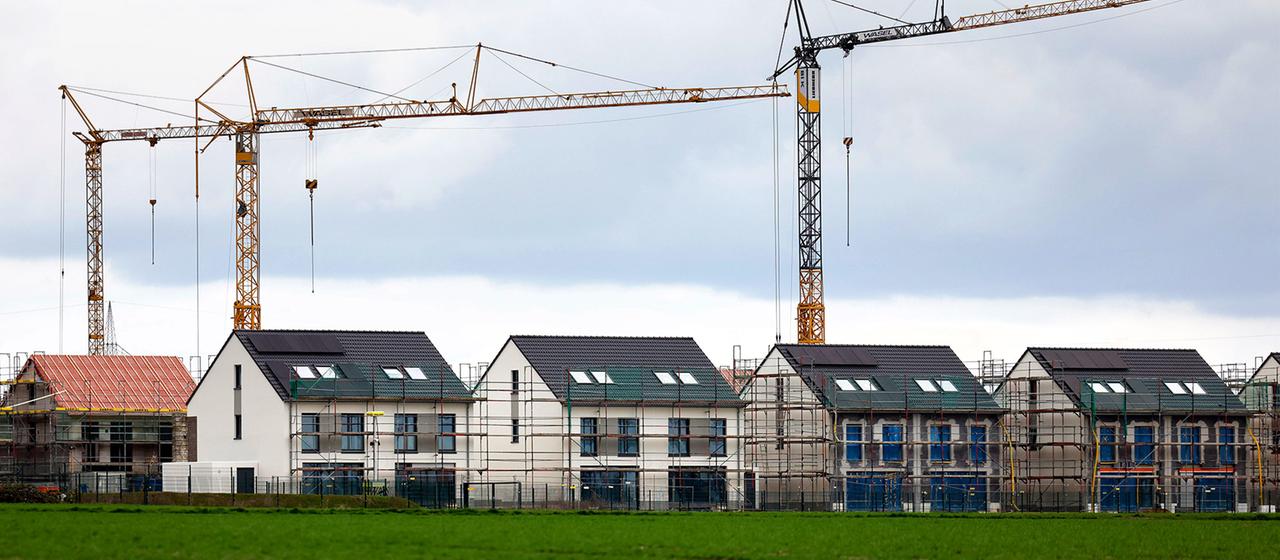
Even when millennials somehow vault the equity wall, hidden costs await. A 40-unit building in a mid-sized Baden-Württemberg city recently sold a 105-square-meter apartment with a 55-square-meter roof terrace for 449,000 euros. The listing mentioned the 448-euro monthly maintenance fee but omitted that the owners’ association was soliciting bids for a facade renovation estimated at 3.6 million euros, roughly 80,000 to 120,000 euros per unit.
Such surprises are increasingly common. Many buildings constructed in the 1960s and 70s now require massive upgrades to meet modern energy standards, accessibility requirements, and safety codes. Owners’ associations that failed to build sufficient reserves over decades now present new buyers with special assessments that can exceed 50,000 euros, payable within months.
For a buyer who stretched every euro to make the 20% down payment, such a bill can trigger forced sale or default. Banks won’t finance these post-purchase costs, and by the time the assessment arrives, you’re already locked into a mortgage.
The Policy Maze and Potential Fixes
The Kiel Institute researchers suggest reforming the Grunderwerbsteuer as one concrete step. Lowering or restructuring this tax could reduce the initial equity hurdle by tens of thousands. Some economists propose making the tax progressive, with first-time buyers paying minimal rates while investors and second-home owners pay more.
More fundamentally, Germany needs to confront its contradictory housing policies. The federal government pushes homeownership as a wealth-building tool while local governments restrict supply through zoning, and the tax system punishes first-time buyers with upfront levies. The Wohneigentumsquote (homeownership rate) has stagnated around 46% for years, well below comparable European economies.
Densification offers another path. Allowing three-story row houses where only single-family homes are permitted, or permitting six-unit buildings on lots currently zoned for two, could increase supply without sprawling into farmland. But this requires political courage to override local obstructionism.
What This Means for You: Practical Takeaways
If you’re planning to buy in Germany, abandon the simplistic “rent is throwing money away” mentality and run the numbers with brutal honesty:
Calculate the true equity need: Not just 20% of purchase price, but add 10-12% for Grunderwerbsteuer, notary fees, and registration. On a 400,000-euro property, you need roughly 120,000 euros in cash.
Audit the building: Before buying, demand to see the owners’ association protocols for the last five years. Look for mentions of upcoming renovations, special assessments, or structural issues. If the reserve fund looks thin, budget for future special assessments.
Consider the trade-offs: A 45-year-old Altbau in a good location might cost less upfront than a Neubau, but factor in energy costs. A building with energy class G can cost 800 euros more monthly in heating than a class A building, money that could go toward a larger mortgage payment.
Explore alternative regions: The price differential between Berlin and Brandenburg, or Munich and rural Bavaria, remains substantial. If remote work is an option, look 60-90 minutes from major cities where prices can be 40-50% lower.
Investigate Förderprogramme: The KfW offers subsidized loans for energy-efficient renovations, and some federal states provide first-time buyer grants. These programs are bureaucratic but can provide tens of thousands in effective savings.
The fundamental reality remains: without family support, buying property in Germany has become a generational lottery. The Kiel Institute’s data makes clear this isn’t about individual failure to save, it’s about a system where the barriers have risen faster than wages for 20 years. Until policy changes at a structural level, the dream of owning a home will remain just that for most millennials: a dream.