
The numbers look comforting. While Bitcoin crashes through psychological barriers and US tech stocks face relentless selling pressure, the Swiss Market Index (SMI) stands relatively firm. Nestlé, Roche, and Novartis, the holy trinity of Swiss blue chips, continue their steady march, suggesting that Switzerland offers a financial bunker for stormy times. But before you abandon global diversification for the cozy embrace of Swiss equities, understand this: what you’re seeing isn’t stability. It’s concentration risk wearing a disguise.
The Three-Stock Illusion
The SMI’s apparent resilience during recent market turmoil has nothing to do with Switzerland’s economic invincibility and everything to do with a statistical accident. The index is dominated by three non-tech giants, Nestlé (food), Roche (pharma), and Novartis (pharma), which together account for such a massive weighting that their sector-specific performance masks broader market trends.
As portfolio managers at Peter J. Lehner & Partner note in their recent analysis, Swiss industrial companies face genuine pressure from Chinese competition. The difference is that the SMI’s heavyweights operate in defensive sectors currently experiencing less volatility than the SaaS and software space hammering US indices. This isn’t structural strength, it’s sectoral luck.
The danger becomes obvious when you consider the flip side. If a major pharmaceutical crisis emerges, say, regulatory backlash against drug pricing or a failed clinical trial epidemic, the SMI would likely crash harder than globally diversified indexes. Your “safe haven” would become a concentrated bet on a single industry’s nightmare.
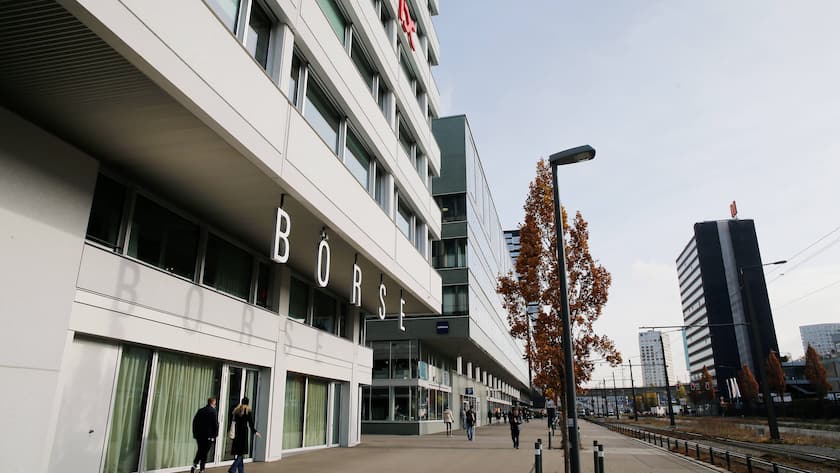
The Home Bias Debate: Science vs. Sentiment
Research suggests that a 20-30% home bias can improve portfolio outcomes, primarily as a hedge against extreme scenarios like foreign investor expropriation. The Russian market collapse of 2022 provided a real-world reminder that political risk isn’t theoretical. Currency fluctuations and changing treatment of foreign investors can devastate internationally concentrated portfolios.
However, many Swiss investors already have significant home exposure through their second pillar pension (BVG/LPP). When your retirement foundation is built on Swiss assets, adding more through your investment account creates overweight risk, not prudent diversification.
The scientific evidence supporting moderate home bias doesn’t justify abandoning global diversification entirely. It suggests tilting, not tunnel vision. Yet many investors are now questioning whether their “VT and chill” strategy needs Swiss seasoning, especially after Switzerland’s 2025 market surge ranked fourth globally, leaving US markets in the Alpine dust.
Defensive Characteristics, Not Defensive Superpowers
Swiss equities do offer genuine advantages. The market’s average dividend yield around 3% provides income stability, and sectors like insurance and medtech show lower volatility than the global tech boom-bust cycle. Companies like Straumann in dental implants or Helvetia in insurance demonstrate solid fundamentals even in zero-interest environments.
But “defensive” doesn’t mean “immune.” Recent trading data shows the SMI dropping 0.3-0.9% on negative days, with UBS and Partners Group leading declines. Even Roche and Novartis face profit-taking after strong starts to 2026. The Swiss market can and does fall, it just falls differently.
The currency dimension adds another layer of complexity. The Swiss Franc’s strength against the Euro creates headwinds for exporters while making imports cheaper. This impacts corporate earnings in ways that have little to do with global market sentiment. When you’re measuring your “safe haven” in CHF, you’re also making a currency bet that may not align with your risk profile.

The Expat Investor’s Dilemma
For international residents in Switzerland, the home bias question becomes more complicated. Your expenses are in Francs, but your wealth psychology may still anchor to your home currency. Loading up on Swiss stocks feels logical, you earn in CHF, spend in CHF, so why not invest in CHF?
This intuition ignores correlation risk. During a genuine global crisis, the same factors that threaten your job security in Switzerland could hammer Swiss equities simultaneously. Global diversification isn’t just about currency, it’s about ensuring your assets don’t share the same vulnerabilities as your income.
Consider the Swiss investor who went 100% Swiss equities before the 2008 financial crisis. The subsequent recovery required nerves of steel as the SMI dropped over 40%. Those with global exposure recovered faster and slept better.
Practical Portfolio Construction
So what’s the right approach? Evidence suggests a measured home bias of 15-20% in Swiss equities, preferably through a broader index like the SPI rather than the concentrated SMI. The SLI (Swiss Leader Index) with its capping mechanism offers another alternative, preventing any single stock from dominating your returns.
For true diversification, consider Swiss assets beyond equities. The Swiss Franc vs Gold debate shows both assets can serve as safe havens, but they perform differently under various crisis scenarios. Combining them with global equities, REITs, and perhaps managed futures creates genuine resilience.
The key is recognizing that Switzerland’s stability is real but limited. Its political system, rule of law, and economic fundamentals are world-class. Its stock market, however, is just a stock market, subject to sector rotations, valuation swings, and the occasional rude awakening.
When Home Bias Becomes Home Blindness
The most dangerous moment for Swiss investors comes when recent outperformance creates confirmation bias. Seeing the SMI hold steady while US tech collapses feels validating. You were right to trust Swiss quality, right to keep money at home, right to ignore those preaching global diversification.
This is precisely when you should be most skeptical. Market leadership rotates. Today’s safe haven becomes tomorrow’s laggard. The same concentration that protected you on the downside can limit your upside when global growth resumes.
Swiss investors should ask themselves: are you investing in Switzerland because of rigorous analysis, or because the familiar feels safer? Does your home bias reflect strategic hedging, or simply a reluctance to venture beyond what you know?
Actionable Takeaways
-
Audit your concentration risk: Calculate your total Swiss exposure across all pillars. If it exceeds 30% of your net worth, you’re making a directional bet, not managing a portfolio.
-
Choose broader indices: Prefer the SPI or SLI over the SMI to avoid the three-stock problem. Consider small and mid-cap Swiss equities for genuine diversification within your home allocation.
-
Separate currency from equity exposure: If you want CHF stability, consider currency hedging rather than piling into Swiss stocks. Your forex exposure and equity exposure need not be the same.
-
Rebalance mechanically: Set predetermined rebalancing triggers. When Swiss equities outperform significantly, trim them back to your target allocation. Don’t let winners become overweight positions.
-
Remember the lesson of history: Every market that looked invincible eventually discovered its vulnerabilities. Swiss quality is real, but it’s not a substitute for diversification.
The SMI’s current stability isn’t a lie, it’s just a partial truth. Use Swiss equities as one ingredient in your portfolio recipe, not the entire meal. The investors who survive downturns aren’t those who find the perfect safe haven, they’re the ones who never bet too heavily on any single one.
Internal Links for SEO:
– Switzerland’s 2025 market surge and the debate around home bias
– Comparison of traditional Swiss safe-haven assets during times of global stress
– Strategic implications of excluding or favoring foreign markets like US equities
– Currency-hedged international investing and the risks of perceived USD protection
– Diversification beyond global ETFs into alternative assets by Swiss investors