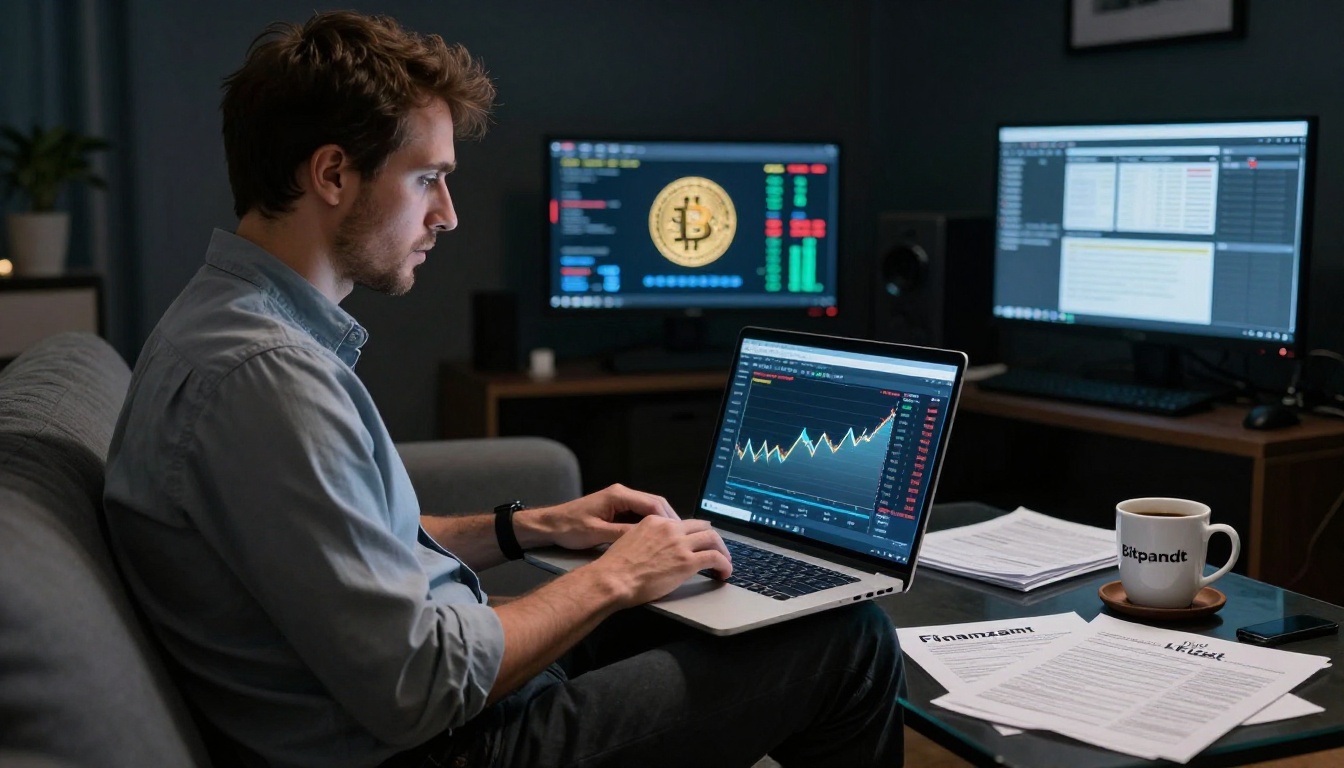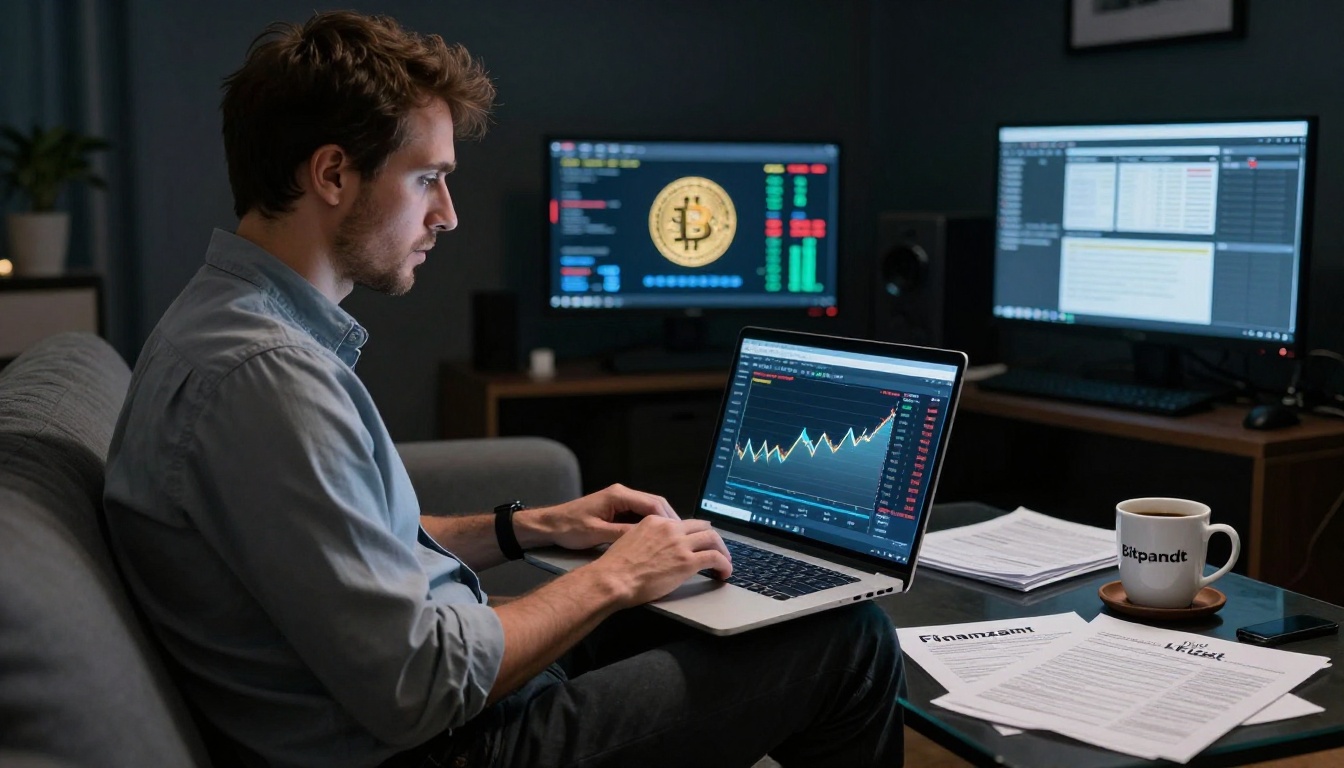
You’ve seen the pattern. A 28-year-old in Graz starts with Bitcoin in 2017, moves to day-trading altcoins, loses €3,500, then discovers the MSCI World ETF and never looks back. This isn’t just a meme, it’s the dominant financial maturation path for a generation of Austrian investors who learned that skill is harder to distinguish from luck than Finanzfluencer (finance influencers) want you to believe.
The data from online investor forums reveals a consistent narrative: crypto serves as the expensive gateway drug to passive investing. One user tracked hundreds of hours in stock research spreadsheets, only to match the MSCI World’s returns with higher volatility and emotional exhaustion. The conclusion? "I should have stayed in an ETF from the beginning."
The Crypto Starting Line: Why Vienna Gravitates to Digital Coins
Austria’s crypto attraction isn’t random. The country ranks among Europe’s highest crypto adoption rates, with Bitpanda, Vienna’s fintech darling, making digital asset trading as accessible as ordering a Wiener Melange. Young investors face a perfect storm: low entry barriers, social media amplification, and a tax system that initially seems simpler than traditional investments.
The Reddit threads show a pattern. Start with Bitcoin, expand to "daytrading" with derivatives, then individual stocks. The problem? Austrian tax law treats crypto as "sonstige Wirtschaftsgüter" (other economic assets), meaning short-term gains under one year face a 27.5% Kest (capital gains tax) plus potential income tax if classified as trading income. Many learn this only after their first tax return triggers a Finanzamt (Tax Office) inquiry.
The ETF Epiphany: When Complexity Meets Reality
The shift typically occurs after two to three years of active trading. Investors discover their net returns match a simple world ETF, but with hundreds of hours sunk into research and stress. One Austrian investor documented reading >20 books, analyzing Warren Buffett’s letters, and building elaborate spreadsheets, only to realize the Dunning-Kruger effect had them confusing luck with skill.
The math is brutal. A portfolio with 80% ETFs and 20% individual stocks might achieve +60% returns over five years. But as one investor admitted: "If I’d gone all-in on ETFs from day one, I’d be at +120-130%." The difference? Compound interest on lower fees, fewer emotional mistakes, and no catastrophic losses from "just one more altcoin."
This is where social media’s influence on young Austrian investors choosing crypto over ETFs becomes dangerous. Instagram stories show €2,000 gains before breakfast, but never the €3,500 losses that drove many to finally open a Flatex account.
Austrian Tax Reality: The Hidden Cost of "Freedom"
Here’s where Austrian investors face a rude awakening. Crypto ETFs, technically ETNs (Exchange Traded Notes) in Austria, carry different tax treatment than direct crypto holdings. While direct crypto becomes tax-free after one year, most crypto ETNs face Einkommensteuer (income tax) under § 23 EStG, not the favorable Kest regime.
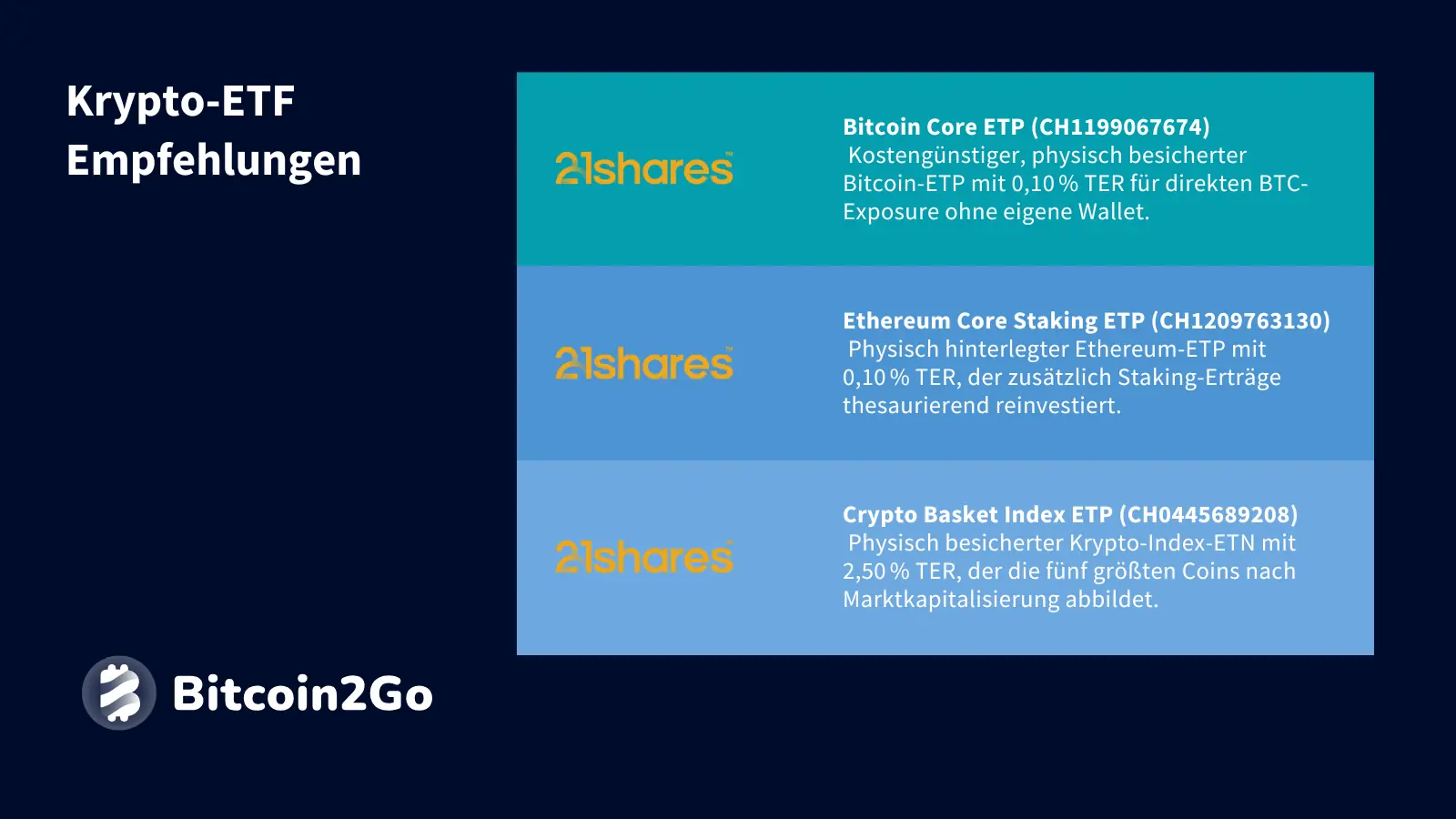
The exception? Physically-backed ETNs can qualify for the one-year holding period, as confirmed by BFH (Federal Fiscal Court) rulings and BMF (Federal Ministry of Finance) guidance. Products like the 21shares Bitcoin Core ETP with its 0.10% TER might seem attractive, but without proper documentation, the Finanzamt could reclassify gains as income.
Meanwhile, traditional ETFs on stocks benefit from the Aktienfonds-Vorteil (equity fund advantage) where 60% of dividends are tax-free after a one-year holding period. This makes the MSCI World ETF not just simpler, but often more tax-efficient than crypto ETNs.
The emotional cost of missing out on Bitcoin while holding a modest Austrian real estate fund drives many to chase crypto, but the tax-adjusted returns tell a different story.
Platform Realities: Flatex, Bitpanda, and the Illusion of Choice
Austrian brokers have evolved dramatically. Flatex now offers 2,000+ free ETF savings plans, while Bitpanda finally launched real stock and ETF trading in 2026 with automatic tax handling. The "steuereinfach" (tax-simple) feature means Kest is deducted automatically, no more manual calculations or Finanzamt surprises.
But the costs reveal the catch. Flatex’s Premium ETF list expanded by 199 savings plans in 2026, yet many popular ETFs remain locked out. Meanwhile, Bitpanda’s 1.49% spread on crypto trades makes frequent trading expensive, pushing users toward long-term holding, or better yet, toward ETFs.
The irony? Platforms that enabled crypto speculation now promote ETF savings plans. Bitpanda’s marketing shifted from "trade 24/7" to "set and forget", reflecting user burnout.
The Skill vs. Luck Problem: Austria’s Performance Illusion
The most controversial insight from investor forums: most outperformance comes from one or two lucky picks that 5-10x, not consistent skill. Austrian investors who bought Bitcoin in 2019 and held through 2021 look like geniuses. Those who started in 2021 look like fools. Same strategy, different timing.
This creates a dangerous feedback loop. Survivors post their wins on social media, attracting new investors who assume skill is replicable. The reality? Austrian investors’ underlying motivations often prioritize survival over wealth-building, making crypto’s volatility psychologically incompatible.
One investor’s confession stands out: after years tracking performance, they couldn’t distinguish true investment skill from luck. This admission rarely appears in Finanzfluencer content, which sells the illusion of control through technical analysis and "due diligence."
When BlackRock Blinks: Institutional Validation of the Shift
Even BlackRock, crypto’s biggest institutional champion, is reducing exposure. In January 2026, the world’s largest asset manager pulled $1.2 billion from its Bitcoin and Ethereum ETFs, with the iShares Bitcoin Trust seeing $947 million in outflows. The iShares Ethereum Trust lost another $264 million.
The single-day record: $528 million exited BlackRock’s Bitcoin ETF on January 30, pushing Bitcoin below $80,000. This isn’t just profit-taking, it’s institutional reassessment of crypto’s role in portfolios.
For Austrian retail investors, this matters. If BlackRock, who lobbied hardest for crypto ETF approval, is scaling back, the "institutional adoption" narrative weakens. The 0.15% TER on their iShares Bitcoin ETP suddenly looks less appealing when the issuer itself is reducing holdings.
Practical Takeaways for Austrian Investors
1. Start with tax efficiency. Use your Jahressteuerausgleich (annual tax adjustment) to offset capital losses against gains. Remember: crypto losses can offset crypto gains, but not stock gains unless classified properly.
2. Calculate true costs. A 0.10% TER ETF beats a 1.49% crypto ETP over time, even before considering tax differences. Austrian tax traps around capital loss offsets mean you must realize losses by December 31, or lose them forever.
3. Diversify geographically, but realistically. The MSCI World ETF is 68% US stocks. If you want true diversification, consider adding Austrian or European-focused ETFs. The illusion of diversification in global ETFs means your "world" portfolio is mostly American tech.
4. Use broker tax features. Bitpanda’s automatic Kest deduction and Flatex’s steuereinfach structure eliminate Finanzamt paperwork. But verify classifications, crypto ETNs might not qualify for the 27.5% Kest rate.
5. Keep a "fun money" allocation. If crypto fascinates you, limit it to 5-10% of your portfolio. This satisfies the urge without jeopardizing financial goals. As one Austrian investor noted: "I keep 20% in individual stocks because it’s fun, but when it grows too large, I trim and move to ETFs."
The Final Verdict
The crypto-to-ETF journey isn’t about admitting defeat, it’s about recognizing that financial markets reward patience more than intelligence. Austrian investors who’ve made this transition report better sleep, lower stress, and surprisingly, higher risk-adjusted returns.
The research is clear: after accounting for taxes, fees, and emotional costs, passive ETF investing outperforms active crypto trading for 90%+ of participants. The remaining 10%? They’re either lucky or lying.
Before you YOLO into the next altcoin, ask yourself: are you building wealth, or just paying tuition to the market? For most Austrians, the answer becomes obvious, usually around the time they file their third Steuererklärung (tax return) with the Finanzamt.
Realistic entry points for investing in Austria start at €25 monthly savings plans, not €3,500 crypto losses. Your future self will thank you, preferably from a comfortable retirement, not a Bitcoin mine in Carinthia.