
L&G’s new monthly distributing ETF landed in Austria with a whisper, not a bang. The L&G Global Quality Dividends UCITS ETF USD Dist (ISIN: IE0005AJA0P1) started trading on January 26, 2026, offering something that immediately caught local attention: Meldefonds (reporting fund) status confirmed by the OeKB (Austrian Control Bank). For income-focused investors tired of quarterly payouts, this sounds like a game-changer. But the reality involves navigating fund size risks, modest yield expectations, and the same Austrian tax bureaucracy that makes every ETF decision a calculation.
The Monthly Dividend Promise: What Actually Changed
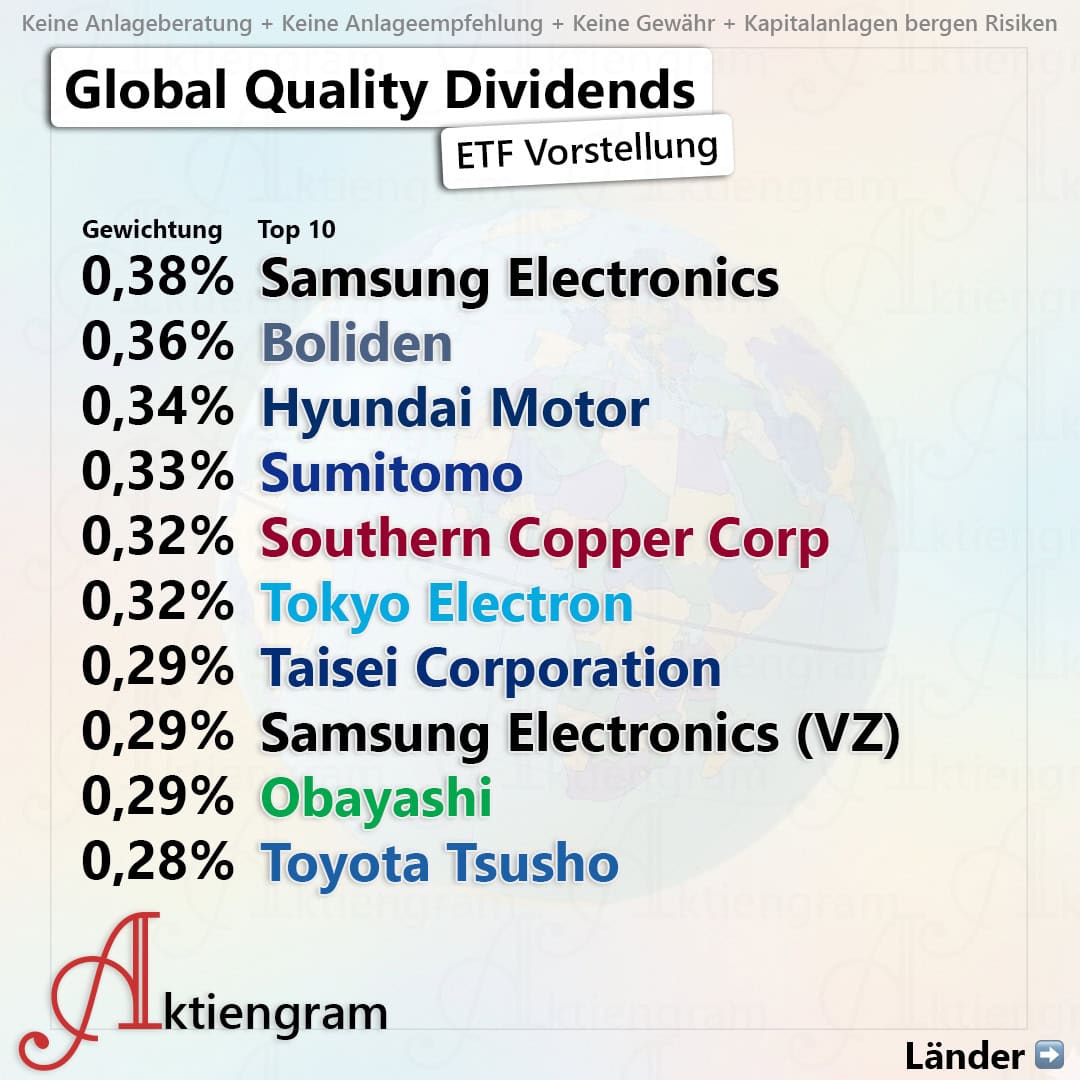
The ETF tracks the FTSE Developed All Cap Dividend Growth with Quality Index, holding 937 stocks across developed markets. The TER sits at 0.29%, competitive but not revolutionary. Its real selling point is the monthly distribution schedule, a feature that resonates strongly with Austrian investors who like their passive income to match their monthly expense rhythm.
First dividend data shows $0.0353 per share, with an ex-date of February 12 and payment on February 20. Based on that initial payment and a current price around $10.77, the projected annual yield lands near 3.93%. That figure comes with a massive caveat: dividend amounts will fluctuate based on underlying company payouts. The first payment is a snapshot, not a promise.
The fund uses optimized physical sampling, meaning it doesn’t hold every single index component but selects a representative basket. This keeps costs down but introduces tracking error risk, a detail many monthly-dividend enthusiasts overlook when chasing that regular payout schedule.
Austrian Tax Angle: Why Meldefonds Status Matters
The OeKB lists this ETF as a Meldefonds (reporting fund) with KESt (capital gains tax) reporting obligations starting January 26, 2026. For Austrian investors, this classification is crucial. Unlike non-reporting funds that trigger punitive tax treatment, a Meldefonds allows you to benefit from the standard 27.5% KESt on dividends and capital gains.
Many international dividend ETFs leave Austrian investors in tax limbo, forcing them to choose between complex manual tax declarations or accepting unfavorable treatment. The L&G ETF’s confirmed status means your Austrian broker should handle KESt automatically, just like with established products from iShares or Vanguard.
This matters particularly for investors who’ve learned the hard way that tax implications of ETF-like products in Austria can turn seemingly attractive investments into administrative nightmares. The Meldefonds designation eliminates that specific headache, which partly explains the quiet excitement among local ETF communities.
The Elephant in the Room: Fund Size and Viability
Here’s where the monthly dividend story gets complicated. The fund’s size remains disputed. JustETF reports €5 million in assets, while L&G’s own documents suggest around $23.7 million (approximately €19.9 million) as of February 10. Either way, we’re looking at a tiny fund by industry standards.
In Austria, the conventional wisdom holds that ETFs need around €100 million in assets to become economically viable for the provider. Below that threshold, funds face higher relative costs and risk of closure or merger. For investors, this means potential forced selling, capital gains realization, and the hassle of finding replacement investments.
The ETF’s equal-weighting approach across market capitalizations increases complexity. While this strategy prevents mega-caps from dominating, it also means the fund must trade more frequently to maintain target weights, potentially hurting performance in a small, low-liquidity vehicle.

Broker Availability: Not Everywhere Yet
Austrian investors can access the ETF through several platforms, but coverage remains patchy. Trade Republic lists it, as do Finanzen.net Zero and Consorsbank. Other major Austrian brokers haven’t added it yet, though that should change if assets grow.
The limited availability reflects a broader pattern in Austrian digital investing: new products launch elsewhere first, and local investors wait. This creates a chicken-and-egg problem, brokers hesitate to add small funds, but funds need broker access to grow.
For those using ETF savings plans, the execution mechanics matter. Austrian investors have experienced how ETF savings plans and banking execution risks in Austria can create phantom overdrafts when brokers process purchases before collecting funds. While this ETF’s monthly distribution might suggest frequent reinvestment opportunities, the reality of Austrian banking infrastructure means you should check your broker’s specific processing rules before setting up automated plans.
Performance Expectations vs. Austrian Investor Reality
The index methodology screens for companies with positive dividend growth over ten years, forward-looking dividend sustainability, and quality metrics that exclude firms with negative equity returns. This sounds rigorous, but the approach has limitations.
Financials dominate at 31.93% of the portfolio, followed by industrials at 19.84%. The geographic split shows US companies at 28.64% and Japanese firms at 17.42%. While global, the portfolio tilts toward dividend-paying sectors and countries, creating concentration risk that broad-market ETFs avoid.
For Austrian investors comparing this to their existing MSCI World or FTSE All-World positions, the trade-off is clear: slightly higher yield potential and monthly payments in exchange for reduced diversification and higher costs. The 0.29% TER beats many active dividend funds but trails the 0.20% or lower fees on core accumulating ETFs that dominate Austrian portfolios.
The monthly distribution frequency itself creates a psychological trap. Austrian investors often overvalue payment frequency, forgetting that total return drives wealth accumulation. A quarterly-paying ETF with identical total returns produces the same outcome, just with less frequent cash flows that require slightly more planning.
How It Fits Austrian Investment Patterns
The typical Austrian investor’s journey toward income investing follows a predictable path. Many start with speculative bets before settling into systematic ETF strategies. This pattern mirrors the broader shift from Austrian investors shifting from crypto to ETFs, where the appeal of regular, predictable income eventually outweighs the thrill of volatility.
For retirees or those building passive income streams, the monthly schedule offers genuine budgeting advantages. Receiving dividends monthly rather than quarterly simplifies cash flow management, especially when coordinating with Austrian pension payments and other monthly income sources.
But the yield question remains critical. At a projected 3.93%, this ETF offers little advantage over simply selling small portions of a broader, lower-cost accumulating ETF. The math works for investors who value psychological comfort over optimization, but disciplined investors might achieve better after-tax results with a total-return approach.
The Austrian-Specific Risk Factors
Beyond fund size, Austrian investors face unique considerations. The Meldefonds status, while confirmed, depends on L&G maintaining proper reporting. If the provider fails to meet OeKB requirements, the tax advantage disappears instantly.
Currency risk also matters. The fund trades in USD and EUR versions, but underlying holdings span multiple currencies. For Austrians earning in euros and spending in euros, the USD share class adds unnecessary conversion costs and volatility unless your broker offers automatic currency hedging.
The dividend withholding tax puzzle further complicates returns. While the fund domicile in Ireland helps minimize withholding taxes on US stocks, Austrian investors still face layers of taxation that reduce the net yield below headline figures. Your broker’s ability to reclaim foreign withholding taxes becomes crucial, and not all Austrian platforms handle this equally well.
Bottom Line for Austrian Investors
The L&G Global Quality Dividends ETF solves a specific problem: it provides Meldefonds-compliant monthly distributions for investors who prioritize payment frequency and tax simplicity over absolute cost efficiency. For that niche, it’s genuinely useful.
But calling it a game-changer overstates the case. The fund’s tiny size presents real closure risk. The yield advantage over broader ETFs remains modest at best. And Austrian investors comfortable with quarterly payments and manual rebalancing can replicate similar outcomes with more established, cheaper alternatives.
If you’re building a core Austrian portfolio, this ETF might serve as a satellite position for psychological satisfaction rather than a central holding. Consider limiting exposure to 5-10% of your equity allocation until the fund crosses the €100 million viability threshold. And verify your broker’s tax reporting capabilities before investing, Meldefonds status only helps if your platform correctly processes the OeKB data.
For most Austrian investors, the smarter move remains sticking with large, liquid, low-cost accumulating ETFs and manually selling shares as needed. The monthly dividend dream sounds appealing, but the practical realities of Austrian tax law and fund economics suggest waiting to see if this newcomer survives its first year.