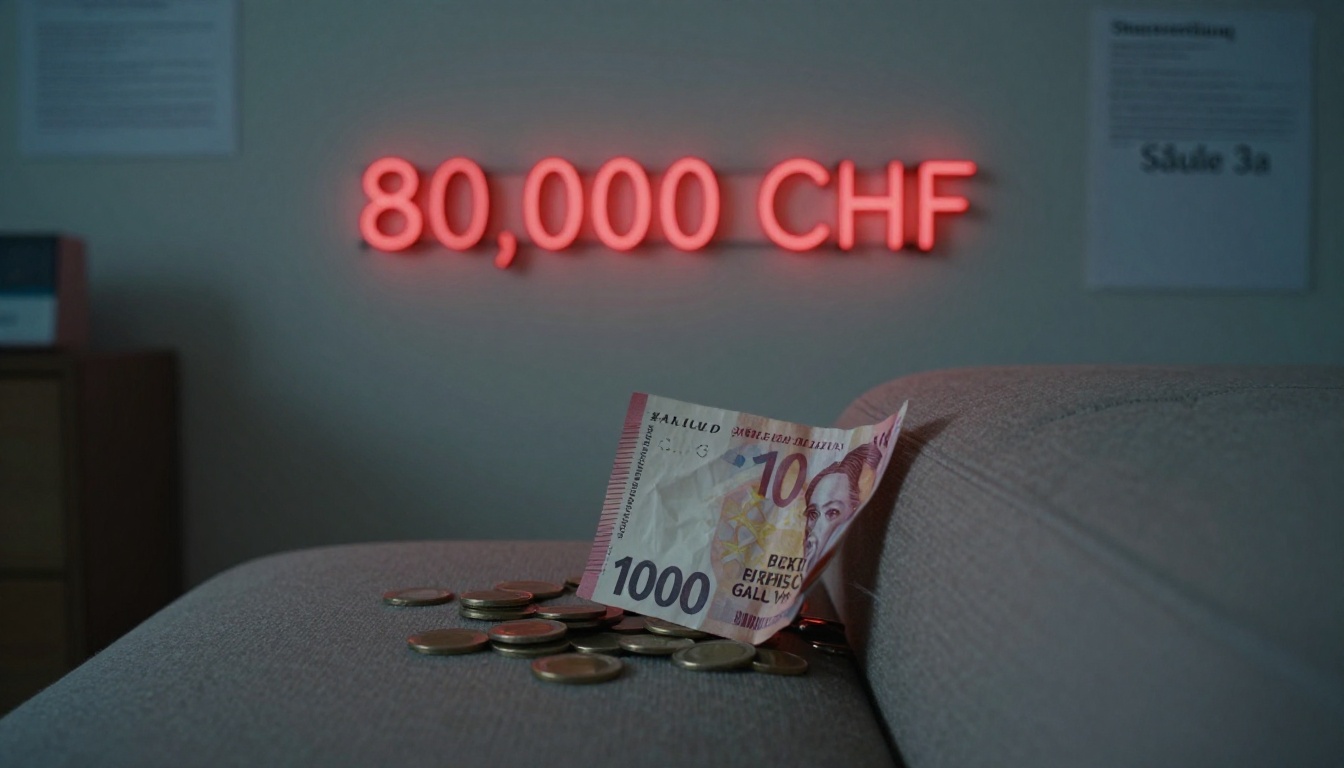
You’ve got a B-permit, earn under 120,000 CHF, and sleep soundly knowing you’re safely in the Quellensteuer (withholding tax) system. No complex Steuererklärung (tax return) needed, right? Then you discover that 80,000 CHF asset threshold, and suddenly that PostFinance savings account, those ETFs, and yes, even the cash in your drawer, might drag you into a bureaucratic nightmare you never signed up for.
The 80,000 CHF Tripwire Most Expats Never See
Here’s the deal: B-permit holders in Zurich must request a tax assessment if their worldwide assets exceed 80,000 CHF (160,000 CHF for married couples). This isn’t optional. The Kantonales Steueramt (Cantonal Tax Office) won’t send you a friendly reminder. They’ll expect you to know, and to act before March 31st of the following year.
The official Zurich tax page states this clearly: if you have over 80,000 CHF in assets, you must file. But what exactly are “assets”? The answer shocks most international residents.
Your Global Net Worth, Every Last Centime
Taxable assets include your global net worth. This means:
– Money in Swiss bank accounts (UBS, PostFinance, Raiffeisen)
– Cash at home (those 1,000 CHF notes you keep for emergencies)
– Stocks, ETFs, and investment funds
– Real estate abroad (even that “worthless” inherited property)
– Cars, boats, and vehicles
– Precious metals (gold, silver)
– Art collections and expensive jewelry
– Your rental deposit (Mietkaution)
– Private loans you’ve given to friends or family
As one tax advisor bluntly put it: even the 25 cents on your bedside table counts as wealth. Swiss tax authorities don’t mess around with rounding errors.
The Pillar 2 and 3a Exemption Trap
Here’s where it gets interesting. Your Pensionskasse (occupational pension fund) and Säule 3a (third pillar) assets are exempt from wealth tax until payout. This seems straightforward, but many expats misunderstand how this works.
Your Pillar 2 pension assets, those contributions locked in your employer’s pension scheme, don’t count toward the 80,000 CHF threshold. However, voluntary extra purchases into your Pillar 2 do count as assets once they’re in your account. Many high earners making voluntary second pillar savings plans as reportable assets get caught by this distinction.
The same applies to Säule 3a. The money in your 3a account is exempt, but only until you withdraw it. At that point, it becomes taxable wealth. This creates a planning challenge: understanding the true value and reporting of Pillar 2 pension assets requires careful timing, especially if you’re approaching the threshold in a given year.
Foreign Real Estate: The Declaration Paradox
Foreign real estate presents a special case. According to Zurich tax office guidance, you must declare foreign property, but Switzerland won’t tax it directly. Instead, it affects your tax rate on other assets. The property’s value is typically assessed at 70% of market value, and this amount is added to your total asset base for rate calculation purposes, even if you owe no wealth tax on the property itself.
One St. Gallen resident reported being told that any foreign real estate, “even a next-to-worthless barn”, triggers mandatory filing. The message is clear: if you own property abroad, file your taxes.
Investment Funds and Special Cases
Swiss direct real estate funds receive special treatment. While the fund itself holds property, your shares may have a tax value of zero or very low for wealth tax purposes. Check each fund’s documentation, this isn’t universal.
Cryptocurrencies, despite their volatility, count as assets at year-end market value. That Bitcoin you bought for 5,000 CHF now worth 50,000 CHF? It pushes you over the threshold.
The Rental Deposit You Forgot About
Many expats overlook their rental deposit (Mietkaution), typically 2-3 months’ rent. In Zurich, that’s often 6,000-9,000 CHF. If you’ve moved apartments and have multiple deposits outstanding, you could easily have 15,000-20,000 CHF tied up, counting directly toward your 80,000 CHF limit.
When to File (And What Happens If You Don’t)
The deadline is March 31st of the year following the tax year. File electronically via ZHServices, and include:
– Personal details and AHVN13 number
– Worldwide asset valuations as of December 31st
– All bank statements
– Investment account summaries
– Vehicle registrations
– Property valuations
Fail to file, and the Steueramt can estimate your wealth, and they won’t be generous. Penalties start at 1,000 CHF and increase based on the tax amount owed. The statute of limitations runs 10 years, so that “forgotten” year can come back to haunt you.
The Progressive Wealth Tax Rates
Zurich’s wealth tax rates range from 0.1% to 0.65% on taxable wealth above the exempt amount. While this seems low, it applies to your entire global net worth. Someone with 500,000 CHF in assets pays roughly 1,300 CHF annually, on top of income taxes.
Practical Steps to Stay Compliant
- Track everything: Use a spreadsheet logging all accounts, investments, and valuables.
- Value annually: Check account balances on December 31st, that’s your valuation date.
- Get property assessed: For foreign real estate, use local tax assessments or professional valuations.
- Declare early: Don’t wait for the deadline. Gather documents in January.
- Ask the Steueramt: Zurich tax officials are surprisingly helpful. A quick call clarifies ambiguous items.
The Bottom Line: Assume You’re Over the Limit
If you’re a B-permit holder with a decent salary, maxed-out Säule 3a, some investments, and a rental deposit, you’re likely already over 80,000 CHF. The question isn’t if you should file, it’s when.
The Swiss tax system operates with the same reliability as an SBB train: usually impeccable, until you miss your stop. Don’t let the 80,000 CHF threshold be the point where your smooth expat journey derails into penalties and back taxes.
Next steps: Initial asset management and financial setup in Switzerland starts with understanding what you own. If you’re building wealth through stock investments as part of taxable asset portfolios, factor in the wealth tax implications. And remember: structuring personal investments and asset allocation isn’t just about returns, it’s about keeping the Steueramt happy too.
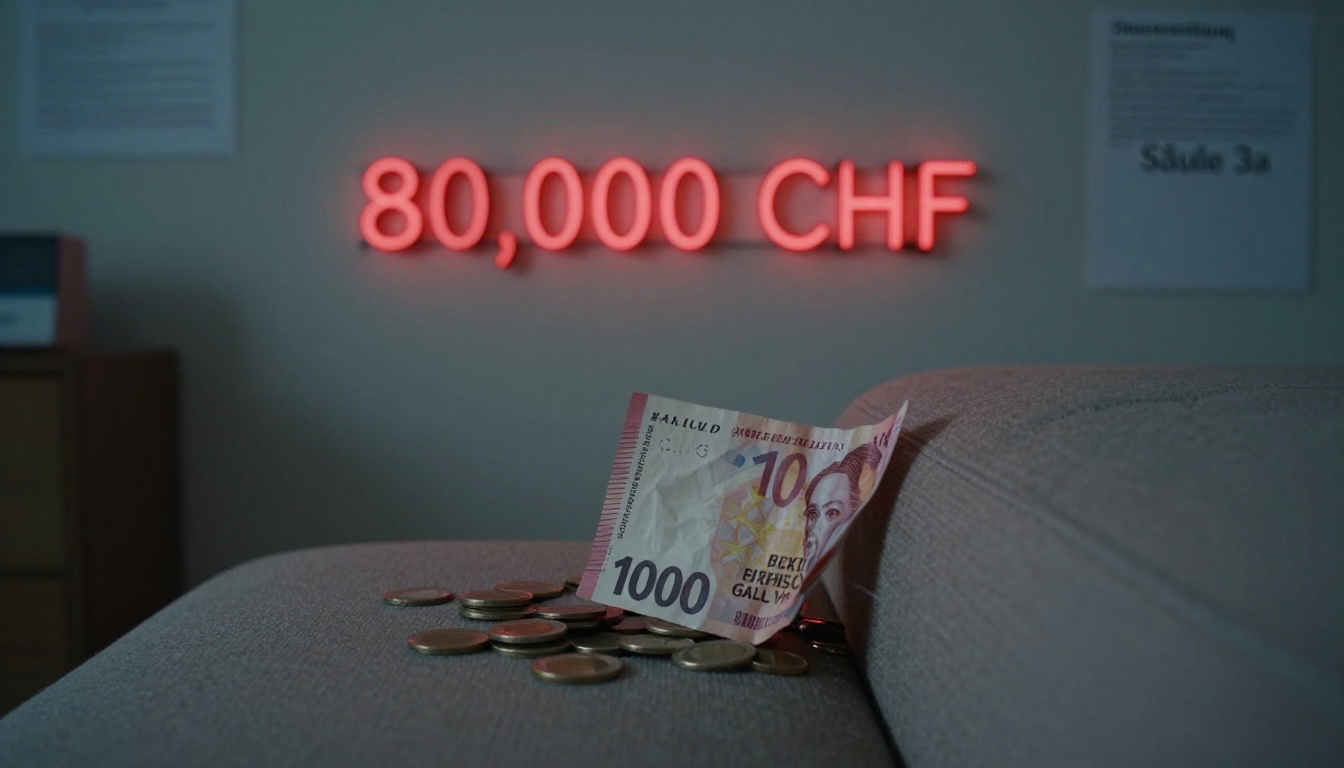
What Counts as Taxable Assets
The Swiss tax system defines taxable assets broadly. This includes:
- Bank accounts (Swiss and foreign)
- Cash holdings (in your home or safety deposit box)
- Investments (stocks, ETFs, mutual funds)
- Real estate (Swiss and foreign)
- Vehicles and personal property
- Precious metals and collectibles
- Loans you’ve made to others
- Retirement accounts (Pillar 2 and 3a)
Even seemingly insignificant items like your rental deposit or a small cash reserve can push you over the 80,000 CHF threshold.

The 80,000 CHF Threshold Explained
The 80,000 CHF limit is a critical threshold for B-permit holders. If your total assets exceed this amount, you’re required to file a tax assessment with the Zurich cantonal tax office. This applies to both single individuals and married couples (with a higher threshold of 160,000 CHF).
The threshold is based on your net worth as of December 31st of the previous year. This means you need to carefully track all your assets throughout the year to ensure you don’t inadvertently exceed the limit.
Important Exceptions and Exemptions
While the 80,000 CHF threshold applies to most B-permit holders, there are some important exceptions:
- Pension funds: Pillar 2 and 3a accounts are exempt from wealth tax until payout.
- Foreign real estate: While you must declare foreign property, it doesn’t directly incur wealth tax.
- Swiss real estate funds: These may have special tax treatment depending on the fund’s structure.
However, these exemptions don’t apply to all situations. For example, voluntary contributions to your Pillar 2 pension fund do count toward the asset threshold, and cryptocurrency holdings are fully taxable.
Key Tips for Compliance
- Track your assets: Maintain a detailed record of all your financial holdings.
- Review annually: Assess your net worth as of December 31st each year.
- Consult professionals: Tax advisors can help clarify ambiguous situations.
- File on time: Meet the March 31st deadline to avoid penalties.
- Stay informed: Keep up-to-date with changes in tax regulations.
By following these steps, you can ensure compliance with Swiss tax laws and avoid the pitfalls associated with the 80,000 CHF threshold.
Conclusion
The 80,000 CHF asset limit for B-permit holders in Zurich is a critical consideration for expats. Understanding what counts as taxable assets and staying within the threshold can help you avoid unnecessary tax complications. By maintaining accurate records and seeking professional advice when needed, you can navigate the Swiss tax system with confidence.