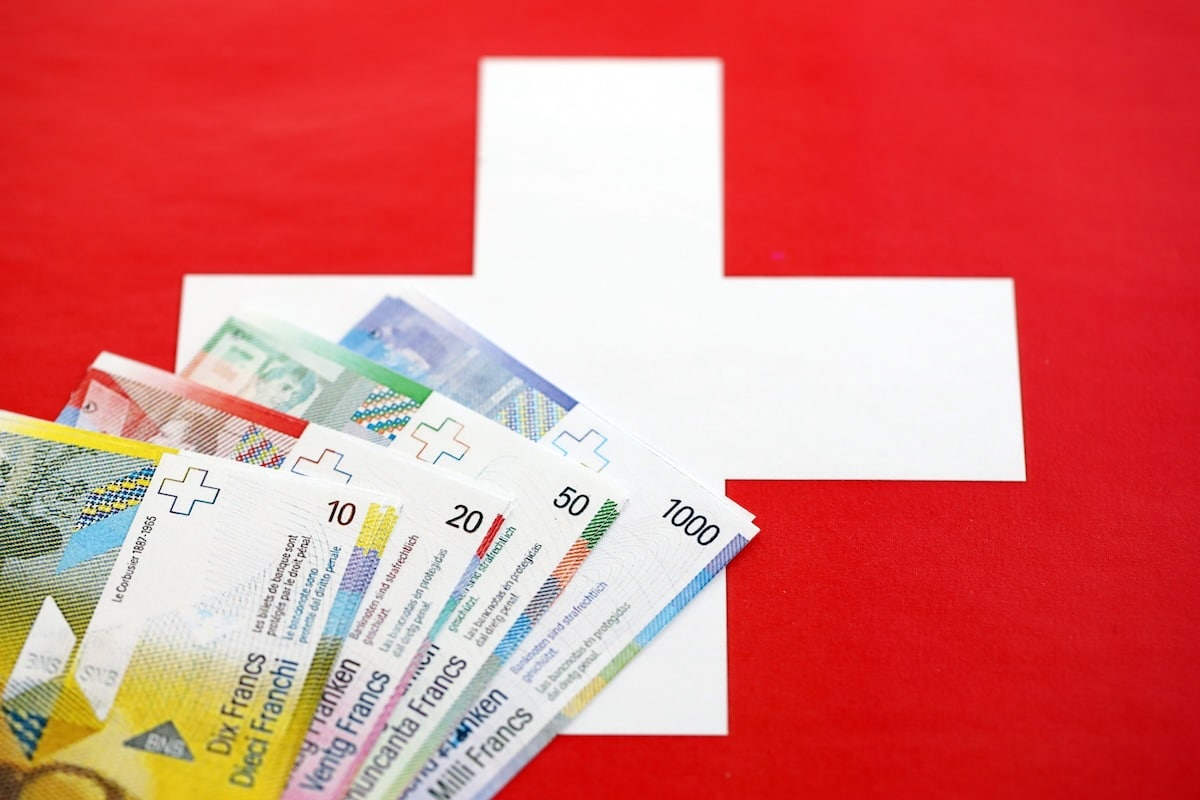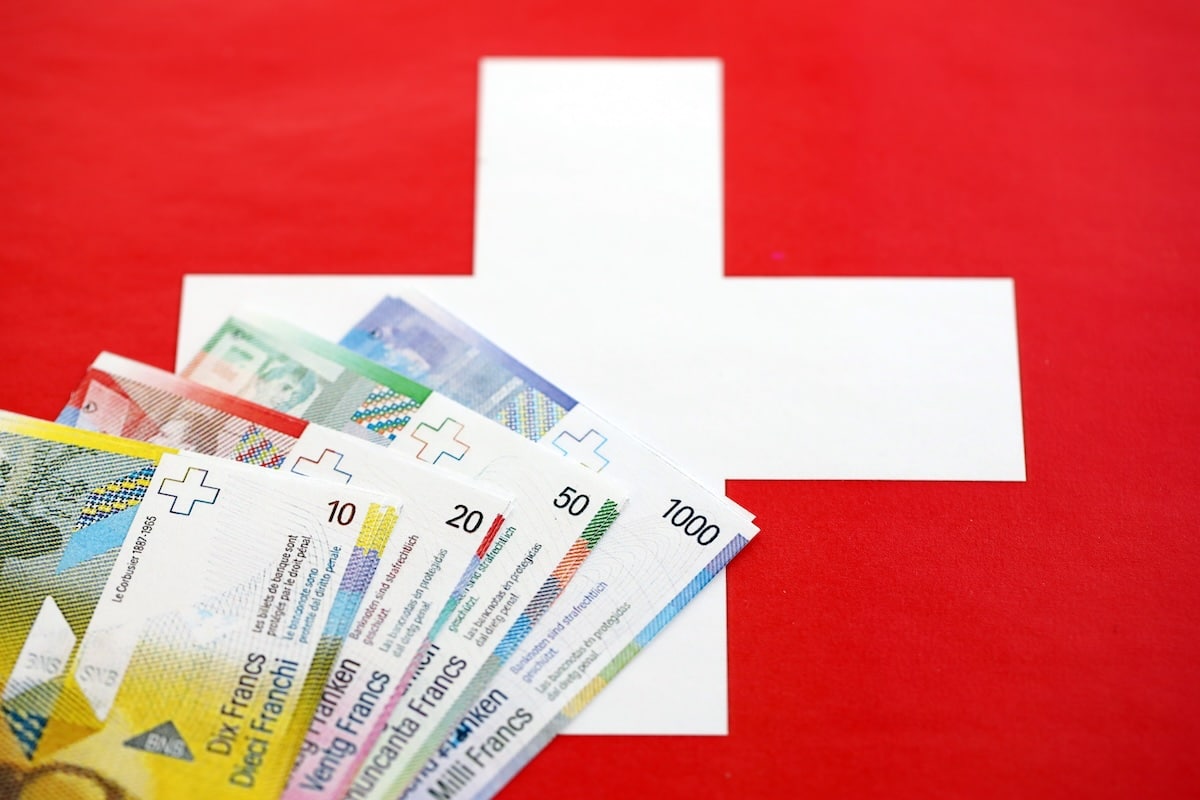
A 26-year-old in Aargau recently laid bare his complete financial plan for 2026, and the internet did what it does best: tore it apart. His budget reveals the raw numbers behind young professional life in Switzerland, CHF 1,500 monthly household contribution, CHF 300 health insurance, and a three-tiered Säule 3a (Third Pillar) strategy that has finance purists clutching their calculators. But here’s what makes this interesting: he’s sitting on CHF 80k in liquid savings and CHF 30k in his 3a, yet can’t figure out what to do with nearly CHF 2,000 leftover each month. The controversy isn’t his spending, it’s his overcautious approach to wealth building in a country where tax-advantaged investing is practically a national sport.
The Numbers That Started the Fire
Let’s cut to the chase. This professional’s monthly breakdown looks something like this:
- Household contribution: CHF 1,500 (half of shared expenses)
- Health insurance: CHF 300 (LAMal, the mandatory basic insurance)
- Transport: CHF 200
- Living life/entertainment: CHF 300
- 3a contributions: CHF 600 split across two accounts
- Spending money (furniture/household items): CHF 150
That leaves roughly CHF 1,900-2,000 unallocated monthly from his net income. He’s already built a CHF 80k emergency fund accessible within a week and CHF 30k in his 3a. The problem? He’s parking that extra cash in a savings account earning next to nothing while inflation chews through its value.
The Säule 3a Strategy That Divided Commentators
Here’s where Swiss finance Twitter lost its mind: he’s running two 3a accounts. One holds CHF 25k in a higher-risk, equity-heavy portfolio. The second is a newer, mid-risk account for future house purchases. Many international residents in Switzerland make this mistake, treating their 3a like a short-term savings pot rather than the long-term wealth engine it’s designed to be.
The math is brutal. At 26, he has 40 years until retirement. Historical data shows that over 30+ year periods, 100% equity portfolios outperform balanced ones by staggering margins. One commenter pointed out that even over 10-15 years, the difference amounts to “tens of thousands you’ll have missed out on.” The counterargument? He wants to buy property within 5-15 years.
But here’s the Swiss-specific twist: you don’t need to withdraw your 3a to buy property. You can pledge it. This keeps your investments compounding while using the account as collateral for your mortgage. Combine that with pledging your BVG/LPP (Second Pillar) and you’ve got a down payment without destroying your retirement trajectory.
Cost of Living Reality Check: Why That CHF 2,000 Hurts
Budget-conseil Suisse sets the survival threshold at CHF 2,500 net per month for a single person, no savings, no extras. That breaks down to CHF 900 for rent, CHF 450 for health insurance, CHF 130 for taxes, and CHF 150 for transport. You’re left with CHF 370 for food and CHF 300 for everything else. Tight doesn’t begin to describe it.
Our 26-year-old is clearly above this threshold, but his situation highlights a broader crisis. In Zurich and Geneva, a 3.5-room apartment costs CHF 2,480-2,500 monthly. Add CHF 393 average health insurance premiums (up 4.4% in 2026), and you’re bleeding cash before you’ve eaten. The median gross salary is CHF 7,024, but after AHV/AVS (Old Age and Survivors’ Insurance) contributions, taxes, and insurance, many young professionals feel stuck.
Health Insurance: The Elephant in the Room
His CHF 300 health insurance premium raised eyebrows until he revealed he’s undergoing cancer treatment. This changes everything. Swiss health insurance isn’t just expensive, it’s complex. The LAMal system requires you to choose a franchise (deductible) between CHF 300 and CHF 2,500. Higher franchises mean lower premiums but more out-of-pocket risk.
For someone with ongoing medical needs, a low franchise makes sense. But for healthy 20-somethings, choosing the CHF 2,500 franchise can save CHF 1,200-1,800 annually. The catch? You pay the first CHF 2,500 of medical costs yourself, plus 10% co-insurance up to CHF 700 annually.
What to Do With That CHF 2,000 Monthly Surplus
Here’s where the advice gets practical and controversial:
1. Max Out Your 3a (Strategically)
The annual 3a limit for employees is CHF 7,056 (as of 2026). He’s contributing CHF 600 monthly = CHF 7,200. He’s actually over-contributing slightly, which creates tax complications. The better move: contribute exactly CHF 588 monthly, fully invested in a Global 100 strategy with providers like VIAC or Finpension. Both offer TERs (Total Expense Ratios) around 0.40-0.44%, far below traditional banks charging 1%+.
2. Ditch the Mid-Risk 3a
If you’re set on property, pledge your high-risk 3a instead of creating a separate conservative account. The property pledge option allows you to keep 100% equity exposure while using the account value for your mortgage. This is standard practice in Switzerland that many expats miss.
3. Invest the Rest in Taxable Brokerage
That CHF 2,000 monthly surplus? After optimizing 3a, you should have CHF 1,400+ monthly to invest in a taxable brokerage account. Use Swissquote, Interactive Brokers, or similar platforms. Focus on low-cost ETFs domiciled in Ireland (more tax-efficient for Swiss residents). The key is to stay invested, don’t park cash waiting for a market dip.
4. Emergency Fund Reality Check
CHF 80k is excessive for a 26-year-old. Swiss unemployment benefits (through RAV/ORP) cover 70-80% of salary for up to 18 months. A more realistic emergency fund is 3-6 months of expenses, CHF 15k-30k max. The remaining CHF 50k should be working for you in the market.
The Housing Delusion vs. Swiss Reality
He mentions buying a house “for the life value that can’t be measured.” Swiss commenters were quick to point out: run the buy vs. rent calculator first. In Switzerland, property ownership is around 42%, far below neighboring countries. The reasons are structural:
- High transaction costs: 3-5% notary fees, 1-1.5% property transfer tax, 0.1-0.5% land registry fees
- Amortization requirements: You must pay down your mortgage to 66.7% of property value within 15 years
- Opportunity cost: That down payment could generate 7-8% annually in markets vs. 2-3% property appreciation
Renting gives flexibility and avoids these costs. The “life value” argument is valid, but financially, it’s often a losing proposition in Switzerland.
Tax Optimization: The Missing Piece
Aargau isn’t the cheapest canton tax-wise, but it’s no Geneva either. At CHF 100k+ gross income, you’re likely facing 15-18% total tax burden (federal, cantonal, municipal). Two optimization levers stand out:
- Bundled deductions: The CHF 2,600 standard deduction often beats itemizing, but not if you have high health costs. His cancer treatment likely makes itemizing worthwhile.
- 3a timing: Contribute before year-end to reduce taxable income. Some cantons allow deductions for payments made before March 31 of the following year.
The Bigger Picture: Swiss Financial Independence
This budget reveals a generational divide. Young Swiss professionals are saving aggressively, some reaching 45-54% savings rates, but often in the wrong vehicles. The old guard keeps cash in Sparkonto (savings accounts) earning 0.5% if they’re lucky. The new wave maxes out 3a, uses low-cost brokers, and thinks in decades, not years.
The controversy isn’t his numbers, it’s his mindset. At 26 with CHF 110k net worth, he’s ahead of 90% of his peers. But that extra CHF 2,000 monthly, parked in cash, represents CHF 960,000 in lost retirement wealth over 40 years (assuming 7% returns). That’s not a rounding error, that’s a second home in Ticino.
Actionable Takeaways for Young Swiss Professionals
- Consolidate your 3a: One account, 99% equities, lowest fee provider (Finpension or VIAC)
- Pledge, don’t withdraw: For property purchases, use 3a as collateral
- Emergency fund right-sizing: 3-6 months max, then invest aggressively
- Health insurance optimization: High franchise if healthy, low if not, review annually
- Cross-border shopping: Save 30-50% on groceries by shopping in Germany/France monthly
- Transport hacks: Halbtax (half-fare card) plus GA (general abonnement) only if you commute daily
The Swiss system rewards those who understand its quirks. The 3a isn’t a savings account, it’s a tax weapon. Renting isn’t throwing money away, it’s buying flexibility. And that CHF 2,000 monthly surplus? It’s not extra cash, it’s your ticket to financial independence decades earlier than your parents.
The real debate isn’t whether his budget works. It’s whether his caution is costing him a fortune. In Switzerland’s low-tax, high-cost environment, aggressive investing isn’t gambling, it’s survival.