Zurich runs on a fiscal model that would give American supply-siders an aneurysm: a tiny elite of high earners pays more than half the city’s taxes, while the bottom 20% contributes essentially nothing. The city’s own data reveals that taxpayers earning CHF 150,000 or more, just 8.6% of all filers, shoulder 51.4% of Zurich’s personal tax revenue. This isn’t just progressive taxation, it’s a high-wire act where the city’s finances depend on a cohort small enough to fit in the Hallenstadion.
The “Spitzenverdiener” Who Keep the Lights On
The real power players aren’t the merely affluent at 150k. The NZZ reports that Zurich’s 1,600 “Spitzenverdiener”, those earning over CHF 500,000, represent just 0.6% of taxpayers but generate nearly 20% of all personal tax revenue. That’s an average contribution of roughly CHF 150,000 per ultra-high earner.
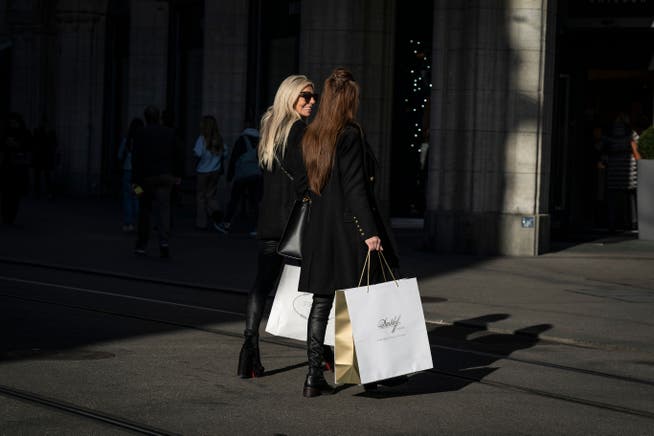
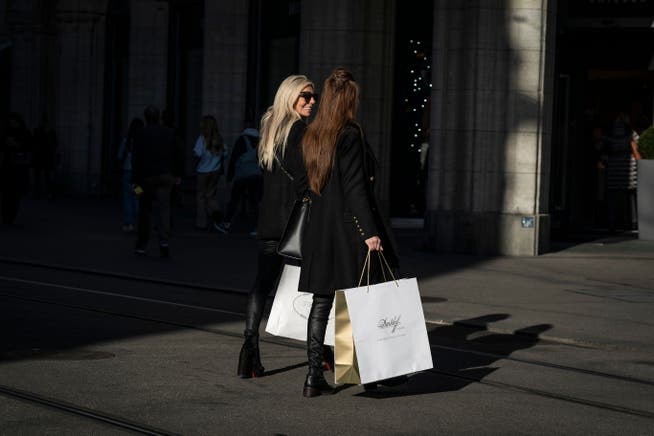
The Bahnhofstrasse elite: Zurich’s top earners shop on the world’s most exclusive street while quietly funding 20% of the city’s budget.
This concentration creates a mathematical vulnerability. If just 1,600 people decided to relocate to neighboring Kilchberg or Herrliberg, Zurich would lose nearly CHF 240 million annually, enough to fund the city’s entire cultural budget twice over. The city’s response? Corine Mauch personally sends thank-you letters to top taxpayers each December, a move that’s equal parts gratitude and subtle plea: Please don’t leave us.
The 15-Minute Move That Saves 5-7% in Taxes
The rational response to Zurich’s tax rates is geographic arbitrage. Move 15 minutes down the lake to Kilchberg or Herrliberg and save 5-7% on your tax bill. Push further to Freienbach or Wollerau in Schwyz, and you’re looking at 12-15% savings on a CHF 1 million income. Many international residents report this calculation dominates housing decisions at the high end.
Yet most ultra-high earners stay. Why? The city’s analysis suggests it’s not loyalty, it’s convenience and network effects. The true global elite value proximity to private banks, international schools, and Zurich’s airport more than they resent the tax premium. Plus, Switzerland’s wealth tax system means many ultra-high net worth individuals optimize through asset structures rather than relocation, paying their CHF 150k average while shielding far larger fortunes.
The Taxable Income Trap: Why 150k Isn’t Really 150k
Here’s where the controversy sharpens. That 150k threshold refers to taxable income (steuerbares Einkommen), not gross salary. The median taxable income in Zurich is CHF 75,000, while median gross income hovers around CHF 103,000. A taxable income of 150k likely corresponds to a gross salary of 220k or more, depending on deductions.
This distinction matters because it reveals how the tax system squeezes the upper-middle class. You need to earn roughly CHF 220,000 gross to join Zurich’s “Gutverdiener” club and start paying serious taxes. Yet many in this bracket feel cash-poor, especially with Zurich’s housing costs consuming 30-40% of net income. They’re shouldering the city’s tax burden while watching the truly wealthy live in low-tax cantons or optimize through corporate structures.
The Middle Class That Pays Less But Feels More Pain
Zurich’s middle class, 70% of taxpayers earning between CHF 20,000 and 150,000 in taxable income, contributes less than half the tax revenue. In absolute terms, that’s still CHF 700 million annually, but their per-capita burden is far lower.
The political irony? This group feels the most tax pressure. Why? Because every CHF 1,000 matters for their monthly budget in ways it doesn’t for the 1,600 Spitzenverdiener. The city’s progressive rates mean a middle-class family earning CHF 100,000 pays around 12-15% total tax burden, while the ultra-wealthy might pay 25-30% on income but optimize wealth taxes to single digits.
The result is a silent revolt. Many international residents report choosing to live in canton Zug or Schwyz not because they can’t afford Zurich, but because they refuse to subsidize a system where they get no marginal benefit. The city loses not the ultra-rich, but the upper-middle professionals who would have contributed CHF 30-50k annually for decades.
The Political Theater of Tax Rates
Zurich’s city council, dominated by left-green parties, has kept the Steuerfuss (tax multiplier) at 119% since 2008 despite exploding tax revenue. The official line: maintaining social services and infrastructure for a growing city. The unspoken reality: with 51.4% of revenue coming from 8.6% of earners, any tax cut disproportionately benefits the rich while costing the city real money.
This creates perverse optics. The same politicians who decry inequality depend on the wealthy to fund their programs. When center-right parties propose modest cuts, the left blocks them, not because the city needs the revenue, but because cutting taxes on the rich while social needs exist is politically toxic, even if the math suggests the current system is unsustainable.
The Expats Who Subsidize Everything
The city’s own analysis credits the 151% growth in high earners since 2002 largely to “qualified workers from abroad”, the politically ambiguous term for expats. These international residents arrive, earn high salaries, pay full taxes without historical social ties, and often leave within 5-10 years.
They’re perfect taxpayers: maximum revenue, minimum cost. They don’t use social housing, their children attend international schools (often self-funded), and they rarely claim unemployment benefits. Yet they also can’t vote, making them fiscal subjects without political representation. Many international residents report feeling like “guest workers with UBS accounts”, welcome as revenue sources, excluded from community decisions.
The Unsustainable Math
Zurich’s model works until it doesn’t. The concentration creates three existential risks:
- Geographic arbitrage: AI and remote work make location choice more flexible. Why live in Zurich when you can work from Zug and visit the city?
- Generational wealth transfer: As baby boomer wealth passes to heirs who may not work in Zurich, income tax revenue could drop while wealth tax optimization increases.
- Political backlash: The 70% middle class may eventually question why they tolerate a system where 0.6% of people fund 20% of services but wield disproportionate influence.
The city already sees warning signs. The growth rate of new high earners has slowed, and departures to Zug increased 8% last year. The thank-you letters are nice, but they don’t change the spreadsheet.
What This Means for You
If you’re earning CHF 150,000+ in Zurich, you’re not just a taxpayer, you’re a strategic asset. The city needs you more than you need it. This gives you leverage:
- Negotiate: Some international residents report successfully negotiating tax equalization packages that offset cantonal differences
- Optimize: Consider whether living in Zurich proper provides CHF 20,000+ annual value over neighboring cantons
- Vote with your feet: The 15-minute move to Kilchberg isn’t just about taxes, it’s about refusing to subsidize a system that takes you for granted
For everyone else, the question is political: Is a system where 8.6% fund 51.4% of the budget democratically legitimate? Or is it a modern feudalism where the wealthy pay tribute in exchange for status and services?
Zurich’s Bahnhofstrasse gleams with luxury, but it’s built on a fiscal house of cards. The city knows it. The Spitzenverdiener know it. The only question is who blinks first.